

If you’re reading this blog, you’re likely dealing with the frustration and stress of owning a property that has code violations. Perhaps you’re unsure whether you can sell your home as-is or if you need to fix everything before putting it on the market. You might be concerned about the costs involved in repairs or worried about the potential for low offers due to the violations. You could be in a time crunch, looking to sell fast, and you’re wondering if selling to a cash buyer or real estate investor might be the best option for you. You want clear, practical information about your options, how to avoid legal issues, and how to get the best deal while dealing with the challenges of code violations.
This blog aims to give you the insight you need to sell your house fast, even with violations, in Plantation, FL. Whether you’re considering selling for cash, selling as-is, or working with a realtor, you’ll find actionable tips and solutions to help you make the best decision for your unique situation.
Can I Sell My House Fast with Code Violations in Plantation, FL?
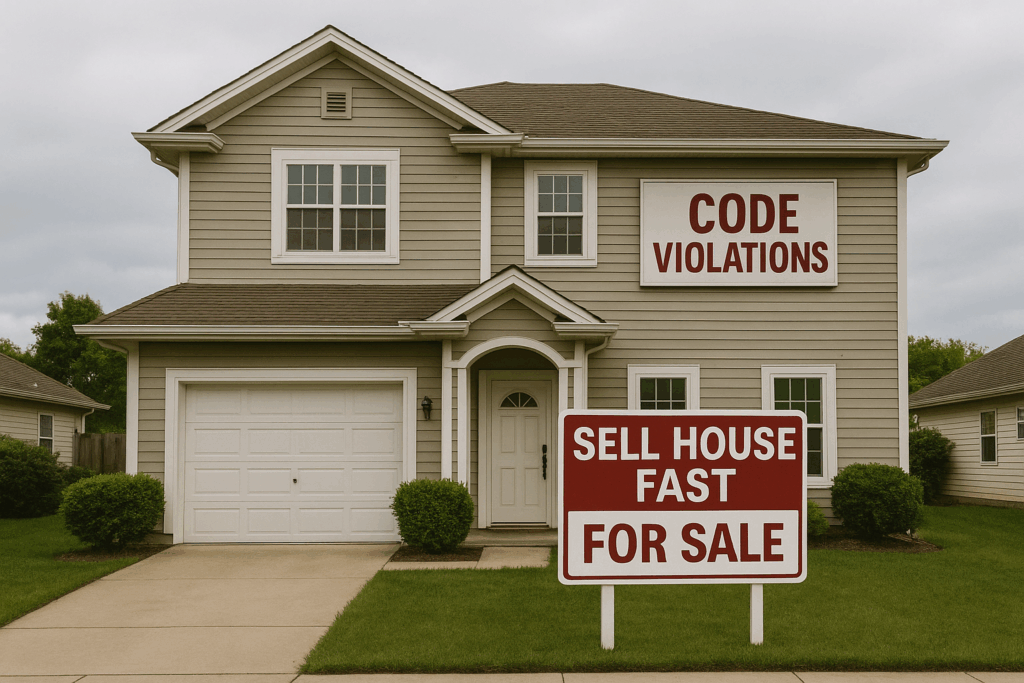
Selling a house with code violations might seem like an impossible task, but it’s actually more common than you think. Many homeowners in Plantation, FL, face the dilemma of dealing with code violations and wondering if it’s still possible to sell their property. Code violations can create significant barriers, but with the right strategy, you can sell your house fast despite these issues. Whether you want to sell quickly for cash or explore other options, there are solutions available that can help you move on from your property with ease.
What Are Code Violations?
Code violations are infractions or failures to meet the building and safety standards set by local authorities. These violations can range from minor issues, like outdated plumbing, to major concerns such as structural damage that may compromise the safety of the building. In Plantation, FL, code violations could impact your ability to sell quickly and at the price you desire, as they may deter traditional buyers and lenders from moving forward.
Common code violations include:
- Structural Issues: Cracked foundations or unsafe roofing
- Electrical Problems: Exposed wires, outdated wiring systems
- Plumbing Failures: Leaking pipes or faulty water heaters
- Zoning Violations: Unpermitted additions or improper land usage
- Safety Violations: Non-compliant fire exits or broken stairs
Understanding the severity of these violations will help you determine your next steps and whether selling the property is feasible without major repairs.
Challenges of Selling a Home with Code Violations
Selling a property with code violations in Plantation, FL, can present some challenges. Buyers are often wary of taking on a home with violations because of the time, money, and effort required to fix them. This uncertainty can translate into a lower sale price, and even if you find a buyer, they may be reluctant to purchase due to concerns about legal liabilities and costly repairs. Below are the key obstacles you might face when trying to sell a home with code violations:
- Decreased Property Value: Code violations typically lower the value of a home. Potential buyers might offer less to compensate for the cost of fixing the issues, or they might even decide the property isn’t worth the risk.
- Buyer Hesitation: Many buyers, especially those seeking to use traditional financing, are wary of homes with code violations. They fear that lenders won’t approve loans for properties with unresolved issues, which could halt the sale altogether.
- Loan Denials: Standard mortgage lenders are unlikely to approve loans for homes with code violations. Buyers who need financing may not be able to proceed with the purchase, limiting your pool of potential buyers.
- Time-Consuming Repairs: If you plan to fix the violations before selling, it could take weeks or even months to get the property up to code. This will delay the sale and add to the overall cost of the process.
If you’re looking to sell my house fast, these challenges can feel discouraging, but there are alternative solutions available that can help you sell without extensive repairs or waiting for traditional buyers.
Can I Sell My Home “As-Is” with Code Violations?
Yes, it’s possible to sell your house as-is even with code violations. This means you don’t have to worry about repairing or updating the home before selling. However, selling as-is comes with its own set of pros and cons that you should carefully consider before proceeding.
Sell to an Investor
One of the fastest ways to sell a home with code violations is to work with a house buying company near you or an investor who specializes in purchasing homes in any condition. Investors typically buy homes for cash, meaning you can bypass the time-consuming process of repairs and inspections.
- Pros:
- Fast Sale: Investors can close quickly, often in as little as 7-14 days.
- No Repairs Needed: Investors buy homes as-is, which means you don’t have to spend money on costly repairs.
- Cash Offers: Cash offers eliminate financing issues and speed up the closing process.
- Cons:
- Lower Offers: Because the investor will need to account for the cost of repairs, their offer may be lower than what you would receive from a buyer willing to purchase with financing.
If you need a fast and hassle-free sale, selling to an investor may be the right solution. By selling as-is, you avoid the headaches of fixing code violations or waiting for a buyer to come along.
Sell to a Cash Buyer
Another option is to sell to a cash buyer, which could be an individual or a company specializing in buying homes for cash. Cash buyers typically don’t require financing, so they can move forward with the purchase more quickly than traditional buyers. However, like investors, they might offer a lower price to account for the cost of fixing the code violations.
- Pros:
- Quick Closing: Cash sales often close in a matter of weeks, rather than months.
- No Loan Complications: Cash buyers don’t need loans, which makes the process simpler and faster.
- Cons:
- Reduced Offers: Similar to investors, cash buyers may offer a lower price due to the cost of repairs.
Selling to a cash buyer can provide a quick solution if you’re looking to avoid the delays and expenses associated with fixing code violations.
Sell Through a Traditional Realtor
You can also opt to list your home with a realtor, but this process can take longer if there are unresolved code violations. In some cases, the realtor may recommend that you fix the violations before listing the property to ensure a smoother sale. This could involve significant upfront costs and additional time before your home is market-ready.
- Pros:
- Broader Market Reach: Realtors can market your home to a wider pool of buyers.
- Professional Guidance: A realtor can help you navigate the sale and offer advice on pricing and strategy.
- Cons:
- Time-Consuming Repairs: The sale could take longer if you need to make repairs to meet code.
- Uncertain Buyer Interest: Potential buyers may not be willing to take on a property with violations, leading to fewer offers.
If you’re willing to wait longer and potentially invest in repairs, selling through a realtor may be a viable option. However, if you’re focused on a fast sale, it might not be the best route.
How Can I Sell My Home Fast with Code Violations in Plantation, FL?
If you’re looking to sell your house fast, even with code violations, there are several steps you can take to navigate this challenge successfully. Here’s how you can make the sale happen efficiently, despite having code violations in your home.
1. Know Your Options:
Before diving into the selling process, it’s essential to understand your options. With code violations, you have different routes to explore:
- Cash Buyers/Investors: Selling to an investor or cash buyer is typically the fastest route to selling a home with code violations. These buyers are experienced in handling homes with problems and are often willing to purchase properties in any condition.
- Traditional Buyers: Selling to traditional homebuyers can be trickier, especially if the violations are significant. You may need to resolve some of the violations or adjust your pricing to attract buyers. Traditional buyers usually seek homes in move-in condition, so they may not be willing to deal with code violations.
Why it’s important: If speed is a priority for you, cash buyers or real estate investors are the best way to go. They can close quickly and often don’t require any repairs before the sale, which is why many homeowners in Plantation opt for this option.
2. Get a Property Assessment:
Before putting your home on the market, it’s crucial to understand the extent of the code violations. Get a detailed property assessment from an expert or a licensed contractor. This will give you a clearer picture of the violations and how they might affect the sale.
A property inspector will help identify:
- Structural violations (e.g., foundation issues)
- Electrical or plumbing problems
- Zoning violations (e.g., unpermitted structures)
- Safety violations (e.g., broken fire exits)
Why it’s important: By understanding the scope of the violations, you can make an informed decision about whether to fix them or sell as-is. A detailed assessment can also help you estimate repair costs, which will impact how you price your home.
For more on home inspections, you can check out this Home Inspection Checklist, which provides useful tips on what inspectors look for during a property assessment.
3. Determine if Fixing Violations is Worth It:
One of the most important decisions you’ll face is whether to fix the violations before selling. Some minor violations, such as a leaky faucet or faulty electrical outlets, may be relatively inexpensive and quick to repair. However, if the violations are extensive or costly, selling as-is may be a more efficient solution.
Repair Type | Cost Estimate | Time Needed for Completion
- Electrical Work: $500 – $5,000 | 1-3 weeks
- Plumbing Issues: $250 – $3,000 | 1-2 weeks
- Structural Repairs: $1,000 – $10,000+ | 2-4 weeks
Why it’s important: If repairs are too costly and time-consuming, it may not be worth it to fix the violations before selling. In such cases, selling the property as-is to a cash buyer or investor might be your best option, as these buyers will likely be willing to purchase without requiring repairs.
For a detailed understanding of home repair costs, this Home Repair Cost Guide can provide valuable insights into what you can expect to spend on various repairs.
4. Price Your Property Competitively:
When selling a home with code violations, pricing is crucial. You’ll need to consider the cost of repairs or the value of the property in its current condition. Working with a real estate expert or investor can help you determine the fair market value.
Why it’s important: Pricing the property competitively will ensure that you attract potential buyers, whether they’re cash buyers or investors. If you sell the house as-is, be realistic about the price and consider offering it at a lower rate to account for the cost of repairs.
For further reading on pricing a home correctly, this Home Pricing Strategy article offers valuable insights on how to determine a home’s value and maximize your sale price.
What Happens If I Don’t Fix the Violations Before Selling?
If you choose not to fix the code violations, here’s what you can expect:
- Lower Offers: Expect buyers to deduct the cost of repairs from their offer price. For example, if there’s significant structural damage or plumbing issues, buyers may reduce their offer by thousands of dollars.
- Disclosure Requirements: Legally, you are required to disclose any known code violations to potential buyers. Failure to do so could lead to legal issues down the line, including fines or lawsuits.
- Government Fines: If the violations are not addressed, you may still be held responsible for fines or other legal penalties, even after the sale is completed.
Why it’s important: Not fixing the violations can cost you in terms of lower offers and potential legal complications. However, if you’re willing to sell as-is, you may be able to avoid the time and expense of making repairs. That’s where selling to investors or cash buyers shines.
How to Avoid Future Code Violations?
Once you’ve sold your home and moved on, you may want to avoid future code violations on your next property. Here are some useful tips:
- Stay Updated with Local Codes: Building and safety codes change frequently. Stay informed about new regulations in your area to avoid violations in the future.
- Hire Professionals: Always work with licensed contractors to ensure that repairs and improvements are done correctly and in compliance with local codes.
- Regular Inspections: Conduct regular property inspections to identify issues early before they become violations.
Why it’s important: Avoiding future violations will save you time, money, and legal headaches. By staying proactive, you can maintain a compliant and well-maintained property.
Frequently Asked Questions (FAQs) for Selling a House with Code Violations in Plantation, FL
Q. What is the Probate Process for Selling a House in Hollywood, FL?
The probate process for selling a house in Hollywood involves court supervision to transfer ownership after the homeowner’s death. It includes validating the will, appraising the property, and distributing assets according to the deceased’s wishes.
Q. How Long Does It Take to Sell a House in Probate in Hollywood, FL?
The time it takes to sell a house in probate in Hollywood can vary, but it typically takes several months to a year. The process depends on court proceedings and any complications with the estate.
Q. Can I Sell a House in Probate Without a Court Approval in Hollywood, FL?
No, selling a house in probate typically requires court approval in Hollywood, FL. However, there are exceptions, such as small estates that may avoid the probate process.
Q. Do I Need a Real Estate Agent to Sell a House in Probate in Hollywood, FL?
While it’s not mandatory, hiring a real estate agent experienced with probate sales can help ensure a smooth transaction. They can guide you through the complexities of selling a house under probate.
Q. What Are the Costs Involved in Selling a House in Probate in Hollywood, FL?
Costs may include probate fees, attorney fees, real estate commissions, and repair costs. These expenses can reduce the estate’s overall value, so it’s important to plan for them.
Q. Can I Sell a Probate Property Fast for Cash in Hollywood, FL?
Yes, selling a probate property for cash is an option in Hollywood, FL. Cash buyers may purchase the house as-is, speeding up the process by bypassing traditional buyer financing and court delays.
Conclusion: Selling Your Home with Code Violations in Plantation, FL
Selling a home with code violations in Plantation, FL, may seem like a daunting task, but with the right strategy, you can successfully navigate the process. While traditional methods like listing with a realtor may involve significant repairs and longer waiting times, working with a company like Property Solution Services LLC can offer a more efficient and stress-free solution.
At Property Solution Services LLC, we specialize in buying homes in any condition, including those with code violations. Whether your property needs extensive repairs or you simply want to avoid the hassle of making fixes, we buy houses as-is, providing a quick and fair cash offer. We understand the unique challenges of selling a property with violations, and our process is designed to be fast, transparent, and hassle-free.
By selling to Property Solution Services LLC, you can bypass the complexities of traditional sales, avoid the burden of repairs, and close in as little as a few days. If you’re looking for a quick and reliable way to sell your home with code violations in Plantation, FL, contact us today. We’re here to help you get the best offer for your home, with no need for repairs or waiting months for the right buyer.