

Introduction: Why This Matters
Owning a distressed property can put you in a difficult spot — especially in a market like Tamarac, FL, where property values, buyer behavior, and repair costs all influence whether renovation or sale makes more sense. If your home needs major repairs, you may be tempted to renovate and bring it back to shape. But renovation means time, money, and risk — whereas selling “as-is” offers speed and simplicity.
This article will walk you through both paths, outlining the costs, risks, benefits, and decision‑criteria to help you choose what’s best for your situation in Tamarac.
What Does “Distressed Property” Mean (in Tamarac Context)?

Definition & Common Issues
A distressed property typically refers to a home that — for whatever reason — needs significant repairs, updates, or may have structural / code problems. In Tamarac (and Florida generally), distressed issues you may see include:
- Structural damage — foundation problems, roof leaks, water damage.
- Outdated or unsafe systems — plumbing, electrical, HVAC, outdated materials.
- Cosmetic deterioration — old flooring, worn paint, dated fixtures.
- Code or compliance issues — property damage from weather (wind, hurricanes), lack of maintenance, deferred upkeep, or damage from Florida’s humid climate.
The Local Real‑Estate Context — What Tamarac Looks Like
According to recent data, the median sale price of a home in Tamarac is around US$339,000, which has increased about 4.3% year-over-year.
However, the “market competitiveness” in Tamarac is relatively low, making the area less hot than many other Florida cities.
This context matters: if homes are sitting longer on the market, buyers may discount houses that need work — a potential disadvantage if you try to sell post-renovation.
Given that, the decision whether to renovate or sell “as-is” depends heavily on the extent of repairs, your financial ability, and how soon you need to close.
Option 1: Renovating Your Distressed Property
Renovating can give your property a second life — but only if the costs, time, and market returns make sense.
Why You Might Choose to Renovate
- Potentially higher resale value — A well-renovated house can command a significantly higher sales price than a “fixer-upper.”
- Liveable home for yourself or family — If you plan to stay in the house, renovation restores comfort and safety.
- Long-term investment / equity growth — If done right, the improvements could boost equity and return over time.
- Better appeal and marketability — Buyers are more likely to pick move-in-ready homes over ones needing work.
Typical Renovation Costs in Florida (Including Tamarac)
Renovation costs depend largely on the scope: cosmetic, structural, or full‑home overhaul. According to a recent Angi home remodel cost estimator, the average full‑home remodel runs about US$52,000, though costs can climb to US$225,000+ for high‑end finishes or major structural changes (layout changes, additions, etc.).
Here’s a rough breakdown of common renovation types and their estimated costs for Florida:
| Renovation Scope / Type | Typical Cost Range / Rate* |
|---|---|
| Cosmetic-only upgrades (paint, flooring, lighting) | Lower end: ~$50–$100 per sq ft |
| Mid-range renovation (kitchen/bath updates, moderate repairs) | ~$100–$175 per sq ft |
| High-end renovation or structural repairs (roof, foundation, full remodel) | ~$200–$250+ per sq ft |
| Whole‑house remodel (e.g. 2,000 sq ft home) | Could cost from ~$100,000 to $250,000+ depending on scope |
*Actual cost depends on home size, condition, materials chosen, and extent of repairs needed (structural, cosmetic, systems, etc.).
As another benchmark: for modest-to-moderate renovations, national data suggests a typical remodel might cost $21,500 to $76,400.
What Renovations Are Most Common (and Most Impactful)
- Structural & safety repairs: foundation, roof, plumbing, electrical, HVAC — essential before listing or living.
- Cosmetic upgrades: flooring, paint, lighting, fixtures — improves curb appeal and livability.
- Kitchen or bathroom remodels: among the highest ROI improvements in Florida real estate market.
- Exterior improvements & curb appeal: landscaping, siding, roof repair — especially important in Florida where weather and environmental exposure matters.
For example, according to This Old House, certain renovations like kitchen upgrades and bathroom remodels often provide the best return on investment, with some upgrades yielding as much as 70% to 80% of the investment upon resale.
Timeline and Planning Considerations
- Typical renovation duration: depends heavily on scope. Minor cosmetic upgrades may take weeks; full remodels could take several months.
- Contingency risk: once you open up walls or inspect systems, unexpected issues may arise — increasing cost and extending timeline.
- Contractor reliability: in Florida, it’s especially important to verify licenses (e.g. via state licensing boards), check references, and use milestone-based payment plans to avoid upfront money loss.
- Budget buffer: always expect unforeseen costs — hidden water damage, code compliance, HVAC or roof issues — especially in older or neglected homes.
When Renovation Makes Sense
Renovation could be the right move if:
- Your home needs only moderate repairs (cosmetic or light upgrades), not severe structural fixes.
- The cost of renovation is likely to be significantly lower than the increased resale value (i.e. good ROI).
- You have time, funds, and willingness to manage the remodeling process.
- You plan to stay in the property or benefit from long-term appreciation, rather than immediately flip.
Option 2: Selling Your Distressed Property As‑Is
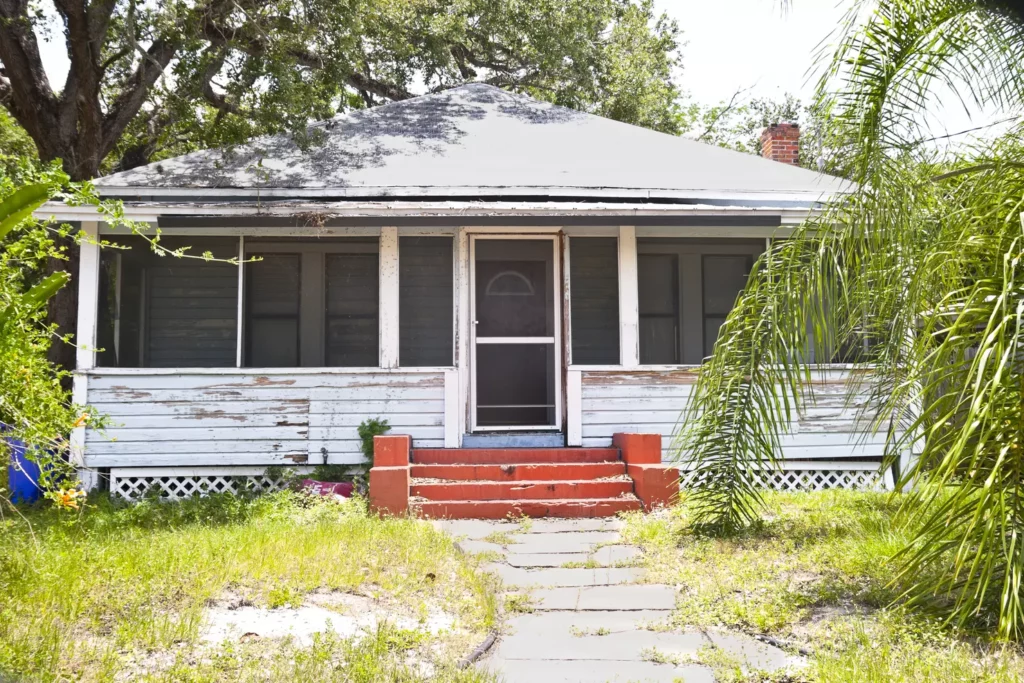
Selling “as-is” is essentially offering your home in its current, possibly imperfect condition — without making repairs or upgrades.
What “As-Is” Means in Florida
- The buyer agrees to purchase the property in its existing condition. Sellers typically make no repairs or improvements before closing.
- Sellers often avoid costly and time-consuming repair work, which can be especially helpful if the home requires major repairs, or if you don’t have the time or cash to invest.
- Because buyers assume responsibility for repairs post‑purchase, the selling price is normally discounted to reflect that risk.
Benefits of Selling As‑Is
- Speed: As-is sales — especially to cash buyers/investors — tend to close much faster than traditional sales that require repairs or staging. In Florida many cash sales close in as little as 7–14 days.
- No upfront repair costs: You avoid the risk of spending money on repairs, only to have buyers demand more once inspections uncover further issues.
- Simplicity and convenience: No need to manage contractors, deal with remodeling delays, or coordinate permits. The process is straightforward.
- Possible scenario fit: If you face time pressure — relocation, financial distress, job transfer, etc. — selling as-is can be a practical and efficient exit strategy.
Tradeoffs & Downsides of Selling As‑Is
- Lower sale price: Buyers expect a discount because they’ll take on repair risk. Some sources estimate offers around 55%–85% of fair market value.
- Limited buyer pool: Many buyers — especially traditional owner‑occupants — may avoid a home requiring repair. Often, only investors or “fixer-upper” buyers show interest.
- Disclosure obligations and legal considerations: In Florida, known structural problems, safety issues, flood zone status, previous code violations, or other material defects must be disclosed.
- Lower perceived value: Even if the home sells, it may sell for significantly less than a comparable renovated, move-in-ready property.
When Selling As‑Is Makes Sense
Selling as-is might be the best option if:
- The cost and scope of needed repairs are very large (foundation, roof, major structural or system issues).
- You don’t have the cash, time, or will to manage a renovation.
- You need to sell quickly (job relocation, financial distress, avoiding carrying costs, etc.).
- You’re not seeking to maximize sale price, but rather prioritize convenience, speed, and certainty.
For more in-depth information on selling a home as-is in Florida, check out HomeLight’s guide to selling a house as-is.
Renovate vs Sell As-Is: Side-by-Side Comparison
Here’s a breakdown of key factors to help you compare both options:
| Factor | Renovating | Selling As‑Is |
|---|---|---|
| Time to completion/sale | Several weeks to several months (depending on scope) | Often just a few days to weeks (especially with cash buyers) |
| Upfront cost / investment | High — depends on repairs / remodel scope ($10,000s to $100,000s+) | Low — no repair costs, fewer upfront expenses |
| Risk | Higher — unknown issues may arise during renovation; budget overrun; delays | Lower — less uncertainty for seller; buyer assumes post-sale risks |
| Potential proceeds / value | Higher — if remodel done well, resale value increases significantly | Lower — discount for property condition; sale price generally below market |
| Stress & effort | High — requires management of contractors, scheduling, inspections, permits | Low — simplest exit strategy, minimal management |
| Buyer pool / marketability | Broader — move-in ready appeal to owner‑occupants and investors | Narrower — mostly investors/“fixer-upper” buyers comfortable with rehab |
| Ideal for | Owners seeking to maximize value, or plan to live in house long-term | Owners needing quick exit, lacking funds/time for repairs, or avoiding risk |
Key Decision Factors — What to Evaluate Before Choosing
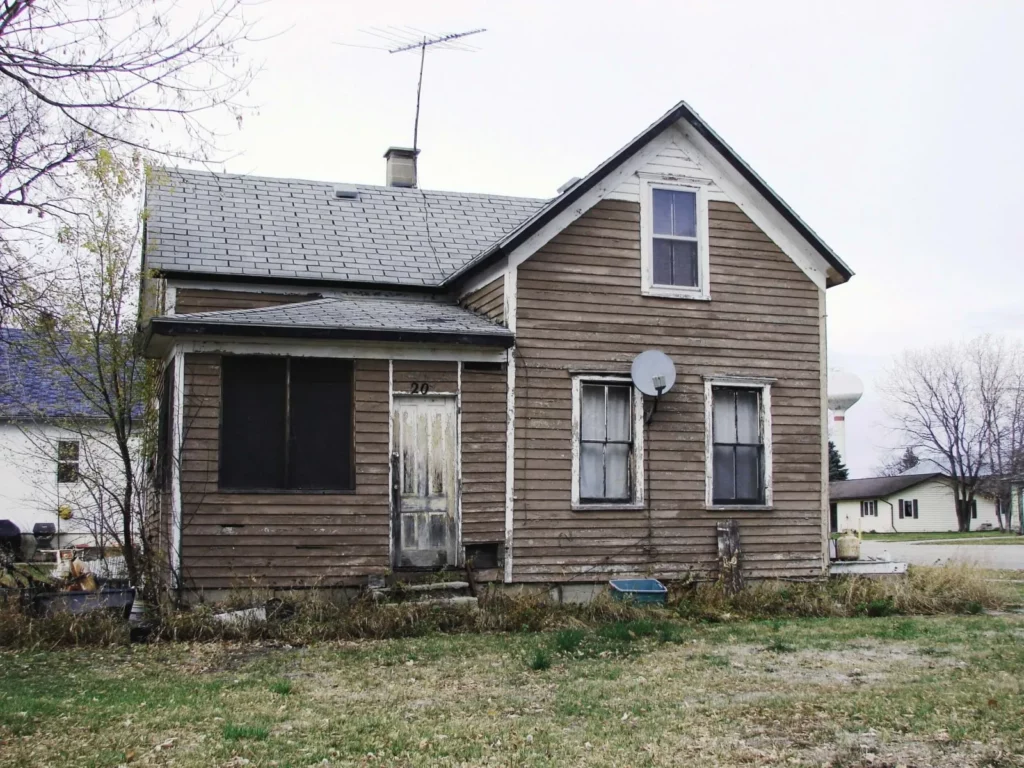
Before deciding, run through these questions. The answers will guide which path fits you best.
1. How bad is the property’s condition?
- Are the issues cosmetic (paint, flooring) — or structural/systems (foundation, roof, plumbing, electrical)?
- Could hidden problems appear once you start renovation (e.g. water damage, mold, code compliance, hurricane damage)?
If you face major structural challenges, renovation can become expensive and unpredictable — sometimes exceeding the home’s post-renovation value.
2. What is your budget and financial flexibility?
- Do you have cash, savings, or financing to cover repairs and contingencies?
- Are you willing to take on risk if costs end up higher than expected?
- Do you have other competing financial needs (e.g. debt, relocation costs)?
If capital is limited, the safer path may be selling as‑is rather than taking on large debt or risk.
3. How quickly do you need to sell or move?
- Are you under time pressure (e.g. job relocation, foreclosure, financial stress)?
- Are you prepared to wait months for renovation and then additional time to sell?
If time is short, selling as-is often wins out.
4. What are your long-term plans for the property?
- Is this a home you plan to live in long-term? Then renovation may yield value and satisfaction.
- Are you buying another home or relocating? Then a fast sale may make more sense.
5. What does the local market look like (in Tamarac)?
- In Tamarac, recent data shows median sale prices around US$339,000, and—but importantly—the market competitiveness is relatively low.
- For distressed or fixer-upper homes — unless renovated — the buyer pool will likely be mostly investors or cash buyers.
Implication: Renovation might raise the value and marketability — but the low-competition environment may still limit demand. Selling as-is may offer a faster, simpler exit — at a discount.
6. Are you comfortable managing renovation (or dealing with contractors)?
- Renovations demand time, oversight, and often, dealing with licensing, inspections, and permit bureaucracy — especially in Florida where climate, building codes, and hurricane risk complicate repairs.
- If you lack time, patience, or trust in contractors, selling as-is might avoid headaches.
Realistic Scenarios & What You Should Do
To help clarify, here are some scenarios — and recommended paths — for homeowners in Tamarac with distressed properties:
Scenario A: Minor cosmetic issues; house is structurally sound
Typical issues: Outdated paint, old flooring, dated fixtures, minor wear and tear.
Recommendation: Renovate — cosmetic upgrades are generally inexpensive relative to value increase; you could likely sell as a move-in-ready home and fetch near-market price.
Scenario B: Moderate repairs needed (kitchen/bathroom update, some systems work, but no major structural problems)
Typical issues: Kitchen and bathroom remodeling, updating HVAC, fixing some plumbing/electrical.
Recommendation: Consider renovation — but get detailed estimates first. If renovation budget is reasonable and local comparable homes are selling well, upside may be worth it.
Scenario C: Severe problems (roof damage, foundation issues, aged systems, extensive repairs needed) and limited budget/time
Typical issues: Roof leaks, structural damage, faulty plumbing/electrical, risks of water or mold damage — or risk of further deterioration.
Recommendation: Sell as-is — the cost, hassle, and risk of renovation may outweigh potential gains. A cash buyer will take the burden, and you lock in a fast sale without further expense.
Scenario D: You need to move quickly (job, finances, family reasons)
Recommendation: Sell as-is — renovation demands time, coordination, and patience; if you need speed and certainty, as-is sale often wins.
Scenario E: You plan to live in the home long-term or are emotionally attached
Recommendation: Renovate — if you care about comfort, long-term investment, or building equity, paying to renovate may make more sense than a quick sale.
How to Approach Renovation (If You Choose That Path)
If you decide to renovate, treat it as a project — not a gamble. Here’s how to manage it wisely:
- Get multiple contractor estimates. Don’t settle on the first quote. Compare at least 2–3 licensed contractors.
- Use milestone‑based payments (or escrow). Avoid paying large upfront sums. Structure payments so you only pay when work phases are completed.
- Build in a contingency budget (10–20%+). Hidden problems (plumbing, mold, structural) often show up during work — plan for them.
- Prioritize repairs wisely. Safety & structural issues (roof, foundation, plumbing, electrical) must come first. Cosmetic upgrades (paint, flooring) later.
- Budget for timeline delays. Permits, inspections, weather (Florida storms), contractor scheduling — all can cause delays.
- Evaluate ROI carefully. For major investments (kitchen, bathrooms), consider whether the expected increase in resale value justifies cost.
How to Approach Selling As-Is (If That’s What You Decide)
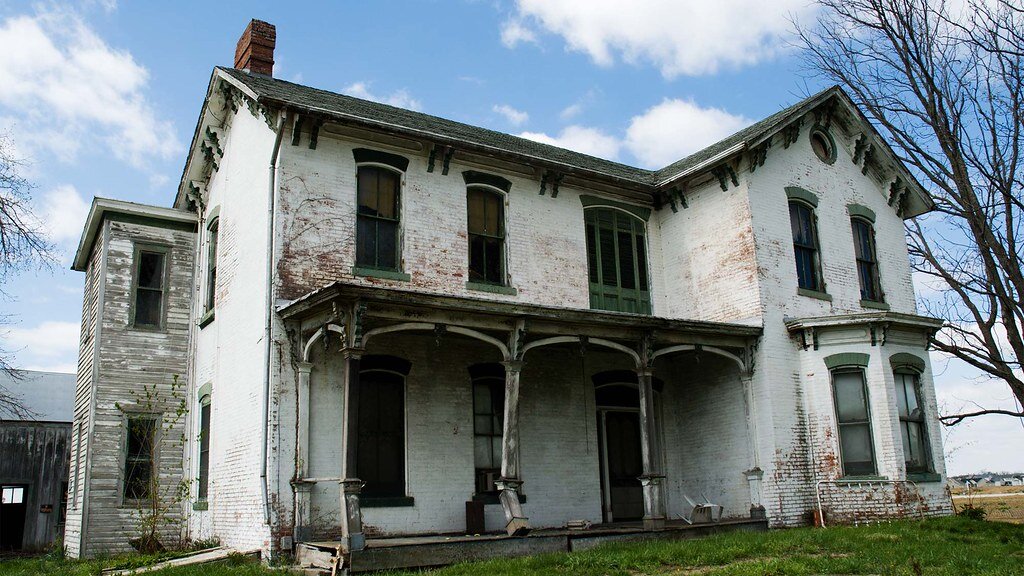
If selling as-is is the path, follow thoughtful, transparent steps to maximize your chances of a fair deal:
- Disclose known issues honestly. Under Florida law, known defects — structural damage, code violations, flood risk, mold, hazardous materials — should be disclosed.
- Target the right buyer pool. Realistic buyers are often investors, rehabbers, or cash buyers comfortable with “fixer‑uppers.” Traditional homebuyers often avoid as‑is.
- Get multiple offers / compare carefully. Because offers will vary depending on buyer’s perceived risk, get more than one — and review the contingencies, closing timeline, and required disclosures carefully.
- Have realistic price expectations. Many as-is offers may be 55%–85% of fair market value — depending on condition.
- Use a proper “as‑is” contract. In Florida, as-is sales often require a special contract form (or at least the “as-is” clause) to protect both buyer and seller.
- Weigh speed vs. return. Understand what you give up (higher price potential) and what you gain (speed, certainty, avoiding repair risk). For many sellers — especially those under pressure — that tradeoff is worth it.
Considering Tamarac, FL: What the Local Market Means for Your Decision
Because you’re in Tamarac, these local market facts are particularly relevant:
- Median home sale price: ≈ US$339,000 as of mid-2025.
- Market competitiveness is low — homes typically sell after ~101 days compared to ~70 days last year; multiple-offer bidding is rare.
- For distressed or fixer-upper homes — unless renovated — the buyer pool will likely be mostly investors or cash buyers.
Implication: Renovation might raise the value and marketability — but the low-competition environment may still limit demand. Selling as-is may offer a faster, simpler exit — at a discount.
How to Make the Decision: Step-by-Step Decision Framework
To help you decide — here’s a step-by-step mini‑framework you can use now with your property:
- List every issue your property has (structural, cosmetic, systems, compliance). Estimate repair/cost for each.
- Get 2–3 contractor estimates to approximate realistic repair/renovation costs.
- Estimate potential post-renovation sale value: research comparable renovated homes in Tamarac, compare features, finishes, age, condition.
- Calculate renovation ROI: Compare cost vs potential value increase; consider carrying costs (taxes, utilities, insurance, maintenance) during renovation.
- Evaluate time & personal situation: Do you need to move fast? Do you have budget and flexibility? Are you willing to manage the renovation process?
- Get offers for as-is sale: Contact 2–3 investors or cash buyers. Compare offers, closing timelines, contingencies.
- Weigh both options side-by-side using a pros/cons list based on your financial, time, and personal constraints.
- Factor in risk and stress: Consider worst-case renovation scenarios (cost overruns, delays), vs. certainty of as‑is sale.
- Make a decision: Choose the path that minimizes risk and aligns with your priorities (speed, convenience, profit, peace of mind, long-term goals).
Frequently Asked Questions (FAQs)
FAQ 1: What does it mean to sell a house “as-is” in Tamarac, FL?
Answer: Selling as-is means the home is sold in its current condition, without repairs or upgrades. Buyers purchase it as it stands, often at a lower price.
FAQ 2: How long does it take to sell a distressed property in Tamarac?
Answer: Selling as-is to a cash buyer can take 7-14 days. Traditional sales with repairs may take months, depending on renovations.
FAQ 3: How much does it cost to renovate a distressed property in Tamarac?
Answer: Renovations can range from $50–$100 per sq. ft. for cosmetic updates to $200–$250 per sq. ft. for major repairs like roofing or foundation work.
FAQ 4: Should I renovate or sell my distressed property in Tamarac?
Answer: Renovate if repairs are minor and you want a higher sale price. Sell as-is if repairs are costly, or you need a quick sale.
FAQ 5: Can selling my home as-is save me money?
Answer: Yes, selling as-is saves on repair costs and avoids renovation stress, though the sale price may be lower than a renovated home.
FAQ 6: How do I find cash buyers for my distressed property in Tamarac?
Answer: Search for local real estate investors or cash home-buying services online. These buyers often purchase homes as-is for a fast sale.
Conclusion — What’s Likely Best for Distressed Properties in Tamarac
There is no one-size-fits-all answer — the “right” choice depends heavily on your property’s condition, your financial situation, timeline, and risk tolerance.
- If your property only needs light-to-moderate upgrades and you have time and budget: Renovation can yield strong returns.
- If the property needs major repairs (roof, foundation, systems), or you lack resources/time: Selling as-is is often the smarter, safer, faster choice.
- If you’re under time pressure (relocation, financial stress), or want to avoid hassle and risk: As-is sale — especially to cash buyers like Property Solution Services LLC — offers certainty and speed.
At Property Solution Services LLC, we specialize in buying distressed properties for cash. If you’re looking for a fast, hassle-free solution, selling your property as-is to Property Solution Services LLC can save you time and effort while providing you with a fair cash offer. Contact us today to discuss your options and find the best solution for your property.