

Selling a distressed home can be stressful, especially when you’re pressed for time, cash flow, or dealing with costly repairs. If your house in Pembroke Pines, FL — or the surrounding South Florida area — has problems like structural damage, overdue taxes, water/fire damage, or needs major repairs, listing it traditionally could take months.
For many homeowners, selling for cash offers a lifeline: a fast, “as‑is,” no-fuss way to unload a burdensome property and move on. In this guide, you’ll learn what counts as a distressed home, why cash sale is often the best route, and step-by-step how to sell quickly — from offer to closing. We’ll also cover advantages and trade‑offs, common pitfalls, and tips to maximize your deal.
What Is a Distressed Property?

Definition & Common Situations
A distressed property generally refers to a home that, due to its physical condition or financial encumbrances, is difficult to sell on the traditional real estate market. This can include:
- Structural or physical damage — such as roof leaks, foundation problems, outdated or broken plumbing/electrical systems, fire/water damage, mold, or long‑neglected maintenance.
- Financial or legal issues — unpaid taxes, liens, impending foreclosure, or other debt-related encumbrances on the property.
- Inherited or abandoned homes — houses inherited by heirs who do not want to invest in repairs, or properties left vacant/neglected for years.
- Homes needing major renovation or uninhabitable — “fixer‑uppers” that many retail buyers won’t touch.
Because of these issues — and the time, money, and effort needed for repairs — these homes tend to deter traditional buyers who expect move-in-ready properties.
For a detailed financial explanation and trusted definition of what qualifies as a distressed property, check out Investopedia’s guide to Distressed Sale.
Why Selling a Distressed Home for Cash Makes Sense
If you find yourself owning a distressed home, a cash sale — selling directly to a cash buyer or investor — can be the most efficient and practical exit strategy. Below are the key benefits, and some tradeoffs to be aware of:
Key Advantages
- Speed & Efficiency
- Cash sales often close in as little as 7–14 days — a huge contrast to the months-long cycle of traditional home sales.
- Since cash buyers don’t rely on mortgage underwriting or lender approvals, there’s no waiting for financing contingencies.
- Sell “As-Is” — No Need for Repairs or Renovations
- Cash buyers and investors often purchase properties in their current condition, no matter how much repair is needed.
- Selling a home ‘as-is’ means you’re not required to make repairs before selling, and the buyer accepts the home in its current state. For more detailed information on selling ‘as-is,’ check out this helpful guide from Realtor.com on What Does ‘As-Is’ Mean?.
- Simplicity — Fewer Showings, Less Stress, No Staging
- You skip the process of staging the house, cleaning it for multiple showings, and accommodating prospective buyers — all of which add time, effort, and potential for delays.
- Closing can be handled quickly without the back-and-forth and uncertainty typical of financed deals.
- Certainty and Closing Cost Savings
- Cash buyers are ready to pay immediately, which means less risk of financing falling through.
- Since you’re not using a real estate agent or needing renovations, you avoid agent commissions, staging expenses, repair costs, and many closing-related fees.
- Ideal for Urgent Situations
- If you’re facing foreclosure, relocating quickly, dealing with unexpected life changes, or cannot afford ongoing maintenance — a cash sale gives you a fast way out.
Trade-offs and Considerations
- Lower Sale Price Than Market Value — Because cash buyers factor in repair costs, risk, and resale potential, they often offer significantly less than what a fully renovated house might fetch on the open market. Many cash offers range from 50% to 70% of “retail” market value, depending on the extent of needed repairs and local market conditions.
- Smaller Buyer Pool — Distressed homes tend to attract only investors, house flippers, or specialized buyers. That limits negotiation leverage and might reduce competition compared to a traditional listing.
- Disclosure & Legal/Title Issues — If there are liens, unpaid taxes, or legal complications, these must be addressed before closing. That may add to the process time or affect the offer.
- Emotional/Financial Tradeoff — Accepting a lower price means trading potential profit for speed, convenience, and certainty.
For a more detailed breakdown of the pros and cons of selling your house for cash, check out Bankrate’s article on Selling Your Home for Cash.
How to Sell a Distressed Home for Cash: Step-by-Step Guide
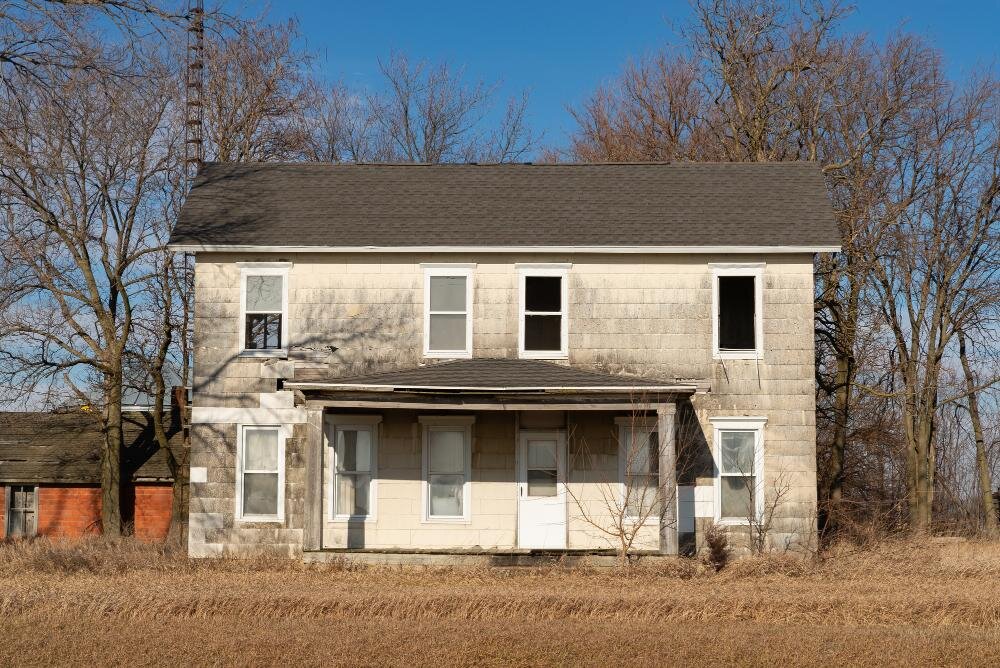
Here’s a practical roadmap if you own a distressed property in Pembroke Pines, FL — from deciding to sell, through finding a buyer, to closing the deal quickly.
Step 1: Assess the Condition and Situation of Your Property
Before contacting buyers, take stock of what you’re dealing with:
- Walk through the property and note all issues: structural, plumbing, electrical, roof, water/fire damage, mold, etc.
- Gather any relevant documents: deeds, mortgage statements, tax bills, HOA records (if any), utility bills, repair history, etc.
- Confirm if there are any liens, unpaid taxes, or legal encumbrances.
This honest self-assessment will help you — and potential buyers — understand the scope of the problems and set realistic expectations. Accurate assessment builds trust and reduces last-minute surprises.
Step 2: Research Cash Home Buyers or Real Estate Investors in Pembroke Pines
Not all cash buyers are equal. To avoid scams and ensure a fair deal, do your homework:
- Look for local buyers or investors experienced with distressed properties and cash sales. Prefer those with a track record, client reviews, or references.
- Request proof of funds to ensure the buyer is serious and financially capable — not just a “lowball” bidder.
- Compare multiple buyers/offers, rather than accepting the first one. This increases your chances of getting a better deal.
Step 3: Request a Cash Offer & Provide Property Details
When you reach out to buyers, be prepared to:
- Share photos and honest descriptions of all known issues. Transparency builds trust and speeds up evaluation.
- Provide documentation: property deed, mortgage/loan info, tax history, and any relevant legal/HOA records.
- Understand what factors buyers consider: property condition, local real estate market, repair costs, expected resale value, and any legal/tax liens.
Many cash buyers can respond quickly — often within 24–48 hours — with a preliminary offer.
Step 4: Evaluate Offers — Price, Terms, and Timeline
Once you get offers, don’t just look at the number — dig into the terms:
| What to Review | Why It Matters |
|---|---|
| Offer price (cash amount) | Reflects buyer’s estimate after repair costs and risk. |
| Closing timeline | Faster closing can be essential if you’re under time pressure. |
| Contingencies or exclusions | Some buyers may want to exclude certain repairs or ask for seller cooperation. |
| Who pays closing costs / title fees / transfer fees | A “cash sale” doesn’t always guarantee no extra costs — clarify who bears them. |
| Proof of funds and legitimacy | Ensures you’re dealing with a serious, financially capable buyer. |
Take your time to compare — sometimes a slightly lower offer with better terms (faster closing, fewer contingencies) can be more beneficial than a higher but riskier one.
Step 5: Accept the Offer & Prepare for Closing
Once you accept a cash offer:
- Work with a trusted title company (or real estate attorney, if required in Florida) to check title status and ensure no hidden liens.
- Gather all paperwork: deed, ID, mortgage payoff (if applicable), tax history, property disclosures, and any other required documents.
- Choose a closing date — cash buyers often allow you to pick a date that suits your timeline.
With everything in place, expect a quick closing — often within 7 to 21 days.
Common Questions: What to Expect and What Is Realistic
Will I Get a Fair Offer for My Distressed Home?
“Fair” depends on what you need: speed, convenience, cash, and certainty — often at the cost of a lower sale price. Cash offers are typically lower than retail market value because investors factor in repair costs, risk, and resale potential.
However, for many sellers, the trade-off — speed, no repairs, no hassle — is worth accepting a below‑market price, especially if the property is costly to maintain or hard to sell otherwise.
Do I Need to Clean or Fix the Home Before Selling as-Is?
In most cash sales, the buyer expects to purchase the property “as-is,” regardless of condition.
That said, minimal cleaning — removing hazardous debris or valuables — can sometimes help. But extensive repairs or staging are usually unnecessary and often impractical.
How Long Will the Entire Process Take?
A typical cash sale can close in 7–14 days, sometimes stretching to 2–3 weeks depending on title work or any legal/financial complications.
In contrast, a traditional listing — with repairs, mortgage approvals, inspections, showings, and negotiations — can take several months.
Can I Sell If the Home Has Liens, Taxes or Other Encumbrances?
Yes — many cash buyers specialize in distressed properties, including those with liens, unpaid taxes, or other legal complications.
However, it’s crucial to disclose all known issues upfront and ensure title clarity before closing. Failing to do so might delay or even void the sale.
Does selling for cash mean I avoid realtor commissions and closing costs?
Usually yes. Since you’re not listing with an agent, you avoid commissions (typically 3–6% of sale price). Many cash sale buyers also cover or significantly reduce closing costs, which can offset your lower sale price.
Selling As-Is vs. Repairing: What’s the Best Strategy?

Selling As-Is: Pros & Cons
Pros
- No upfront cost or time invested in repairs.
- Fast sale, minimal stress, fewer complications.
- Good option if repairs are costly, time-consuming, or beyond your budget.
Cons
- Cash offer may be significantly below full market value.
- Reduced bargaining power due to condition and buyer pool.
When Might Repairs Be Worth It?
In some cases, relatively low‑cost repairs or cosmetic improvements — painting, minor fix‑ups, cleanup, landscaping — may increase the resale value significantly, possibly closing the gap between a cash‑sale offer and what the property might fetch on the open market.
But major repairs (foundation, roof, systems) often aren’t worth it — many investors factor those costs into their offers, and the sales price after renovation might still not justify your time and investment.
Rule of thumb: if needed repairs are minor and the cost-to-value increase is likely high — consider repair + traditional listing. If repairs are major or budget/time limited — cash sale as-is may be the smarter move.
Common Pitfalls to Avoid — and How to Protect Yourself
Selling a distressed home quickly for cash has real advantages — but also some risks. Here are common pitfalls and how to avoid them:
Pitfall 1: Accepting the First Offer Without Comparison
- Many sellers — especially under financial pressure — jump at the first offer. But this might not be the best.
- Solution: get multiple offers from different buyers, compare terms (price, timeline, fees), and make an informed decision.
Pitfall 2: Working With an Unreliable Buyer — No Proof of Funds
- Some so-called “buyers” may not have the finances, leading to delays, failed closings, or scams.
- Solution: always request proof of funds, check buyer’s track record, reviews, references, and use a reputable title/closing company or attorney.
Pitfall 3: Not Disclosing or Checking Title Issues — Liens, Taxes, Legal Encumbrances
- Hidden liens, unpaid taxes, or legal complications can derail a sale or cause post-sale problems.
- Solution: conduct a proper title search early, disclose all known issues, and, if necessary, work with a real estate attorney or title company to clear up problems before finalizing.
Pitfall 4: Emotional Decisions — Accepting Too Low a Price Under Pressure
- Stress, financial need, or emotional burden can cause you to take a lowball offer that you might later regret.
- Solution: take a breath, review all offers, and prioritize long-term benefit (not just immediate relief).
Is a Cash Sale the Right Option in Pembroke Pines, FL?
Deciding whether to sell a distressed home quickly for cash depends on your goals, urgency, and property condition. Here’s a quick decision rubric:
| Your Situation / Goal | Cash Sale is a Good Fit? | Consider Traditional Listing or Repairs? |
|---|---|---|
| You need funds quickly (foreclosure, relocation, cash crunch) | Yes — speed & certainty matter more than maximizing price | — |
| Property needs major repairs (roof, foundation, systems) and you lack time/budget | Yes — avoid costly repairs and time delays | — |
| You want a fast, stress-free, “get it over with” option | Yes — no staging, no open houses, no long wait | — |
| Property needs only cosmetic or minor repairs, and market seems favorable | Maybe — weigh cost of repairs vs increase in resale value | Consider making repairs and listing traditionally |
| You want to maximize final sale price and are willing to invest time & money | Probably not ideal | Traditional listing (after repairs) |
If you lean toward speed, convenience, and certainty, cash sale is often the most pragmatic choice. If you’re willing and able to invest in repairs — and can wait for a traditional sale — you might recover more value, albeit with more time, work, and uncertainty.
Tips to Maximize Offer When Selling a Distressed Home for Cash
To get the best possible outcome when selling as-is, consider these strategies:
- Be Transparent and Honest — Provide full disclosure of all known issues; it builds trust and avoids renegotiations or cancellations later.
- Clean Up & Clear Valuables — Even if you’re not repairing, clearing debris or personal items helps buyers inspect easily.
- Repair Minor Issues (If Cost-Effective) — Simple fixes like clearing overgrowth, trash removal, or cosmetic clean-up may improve offers.
- Get Multiple Offers — Don’t rely on the first buyer; having 2–3 offers improves leverage.
- Validate Buyer’s Credentials — Always ask for proof of funds, check past deals or reviews, and use a reputable title/closing company.
- Understand the Terms Fully — Clarify who pays fees, closing costs, what’s included or excluded, and the timeline.
- Read the Contract Carefully — Especially on As-Is clauses, contingencies, repairs, and closing timeline.
- Factor in All Costs/Benefits — Compare the net amount after costs vs. market value sale potential — including stress, time, and repairs.
Frequently Asked Questions (FAQs)
Q: How soon can I expect my house sold if I accept a cash offer?
A: Many cash sales close in 7–14 days, depending on the title search, paperwork, and buyer readiness. Some may wrap up within a week if everything is straightforward.
Q: Will I get “market value” for my distressed house?
A: Likely not. Cash buyers typically discount the price to reflect repair costs, risk, and resale potential. Most offers on distressed homes range from 50% to 70% of fair market value (sometimes slightly more for cosmetic‑only issues, but still below a fully renovated house).
Q: Do I need to clean or repair the home before sale?
A: For a cash sale, major repairs are generally unnecessary. Some minimal cleaning or clearing out may help — but many buyers will purchase “as-is,” expecting to handle repairs themselves.
Q: What if there are liens, unpaid taxes, or mortgage issues?
A: Cash buyers often handle distressed properties with legal/financial issues. That said, you must disclose all known issues upfront and ensure title clarity before closing.
Q: Does selling for cash mean I avoid realtor commissions and closing costs?
A: Usually yes. Since you’re not listing with an agent, you avoid commissions (typically 3–6% of sale price). Many cash sale buyers also cover or significantly reduce closing costs, which can offset your lower sale price.
Conclusion
Selling a distressed home quickly for cash in Pembroke Pines, FL can be a powerful solution — especially if you’re burdened by repair costs, time constraints, financial strain, or complicated property issues. The cash-sale route offers speed, simplicity, and certainty.
However, it’s important to enter the process with eyes open: cash offers will almost always be below full market value, and you’ll likely face a limited pool of buyers. The key to getting the best possible outcome lies in doing your homework — carefully assessing your property, seeking multiple offers, verifying buyers’ credibility, and walking through the paperwork and title process thoroughly.
If speed, convenience, and a clean break from a burdensome property are your priorities — selling for cash through Property Solution Services LLC may be the smartest, most stress‑free option.
On the other hand, if the property only needs cosmetic fixes and you’re willing to invest some time and effort — and can wait for a traditional sale — you might recover more value.