

Selling a distressed property in Miramar can feel like trying to solve five problems at once: repairs, money, paperwork, timelines, and uncertainty about what buyers will actually pay. The good news is that distressed homes sell every day in South Florida. The difference between a smooth sale and a stressful one usually comes down to two things: choosing the right selling route for your situation and preparing the deal so it doesn’t fall apart during inspections, title work, or negotiations.
This comprehensive guide is written for homeowners who want a clear plan in the current market. You’ll learn what “distressed” really means, which selling option fits best, how to price the home realistically, what to do about repairs, and how to avoid common traps that reduce your net proceeds.
Quick Answer
To sell a distressed property in Miramar, start by identifying what makes the home distressed (repairs, financial pressure, title issues, or occupancy complications). Then choose one of three paths: sell as-is for speed and simplicity, list after targeted repairs for maximum price potential, or use a hybrid strategy that combines minimal cleanup with strong pricing. Compare offers based on net proceeds and certainty, not just the top-line number.
Table of Contents
- What Counts as a Distressed Property in Miramar?
- Why the Current Market Matters
- The 3 Main Ways to Sell a Distressed Home
- A Step-by-Step Plan to Sell Successfully
- Repairs: What Helps and What Usually Doesn’t
- Pricing a Distressed Property in Miramar
- Paperwork and Legal Readiness in Florida
- Common Distressed Scenarios in Miramar
- Timelines: How Long Each Route Takes
- Costs, Fees, and Net Proceeds Comparison
- Mistakes and Red Flags to Avoid
- Frequently Asked Questions
- Final Thoughts: The Best Way to Sell a Distressed Property in Miramar
What Counts as a Distressed Property in Miramar?
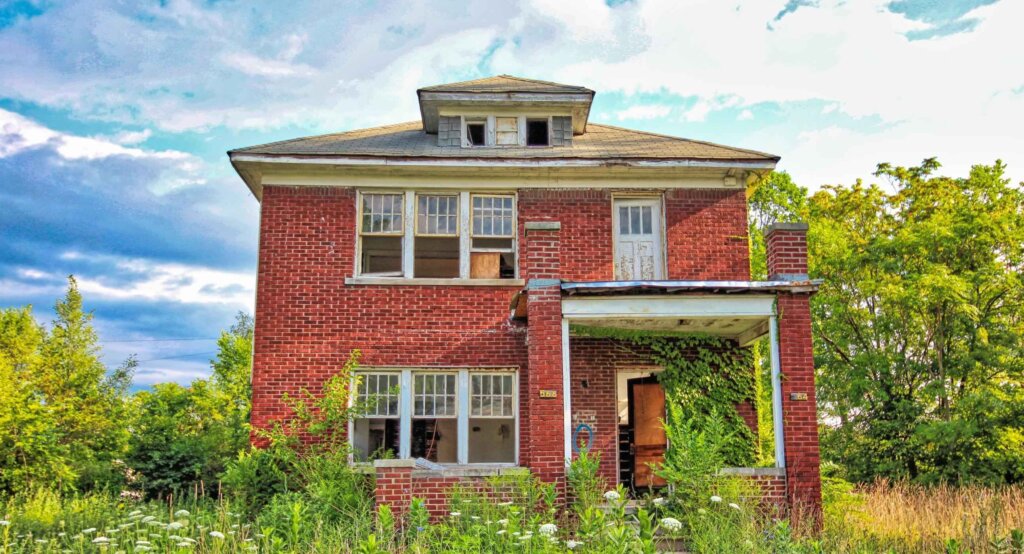
A distressed property is any home that’s difficult to sell through a typical “list it, show it, and close” process. The distress can come from physical condition, finances, legal status, or occupancy challenges.
Distress based on condition
Some homes are distressed because the repairs are too large for the average buyer to take on. The most common examples include roof issues, water intrusion, mold concerns, plumbing failures, major electrical problems, HVAC replacement, termite damage, or structural issues.
Distress based on finances
A property can also be distressed because the owner is under financial pressure. That can look like missed mortgage payments, pre-foreclosure, unpaid property taxes, HOA arrears, or other liens that make selling harder or reduce what you walk away with.
Distress based on ownership or legal complications
Many distressed homes are “paperwork distressed.” Probate, unclear title, inherited ownership disputes, divorce situations, judgments, or open permits can delay closings and scare off unprepared buyers.
Distress based on occupancy
Homes can be difficult to sell if they are tenant-occupied with complicated terms, vacant and deteriorating, or difficult to access for showings and inspections. Even if the home is structurally fine, occupancy issues can change the buyer pool and the pricing.
Distressed vs “as-is”
“As-is” simply means you are not agreeing to fix anything before closing. You can sell a home as-is even if it’s in decent shape. Distressed properties are often sold as-is, but they aren’t identical concepts.
If you want a clearer definition of what a distressed property is, check out Bankrate’s detailed guide on Distressed property: What you should know.
Why the Current Market Matters
Distressed properties don’t behave like move-in-ready listings. In a strong market, buyers may tolerate more work, overlook more issues, or bid higher because they fear missing out. In a slower market, buyers become selective and cautious, which can reduce demand for properties with unknown rehab costs.
Market conditions that affect distressed home sales include interest rates, inventory levels, and how confident buyers are about resale values. When rates rise, buyers who need loans may have less flexibility to fund repairs. When inventory rises, distressed properties must compete harder. When uncertainty increases, buyers demand larger discounts to cover risk.
In practical terms, “current market” means you should prioritize certainty. That includes transparent property condition, clean documentation, realistic pricing, and a plan to handle inspection findings without losing weeks to renegotiation.
The 3 Main Ways to Sell a Distressed Home
Most distressed property sales fall into one of three strategies. The right choice depends on your timeline, repair budget, and tolerance for uncertainty.
Option A: Sell as-is (speed and simplicity)
This route is best when the home needs major work, the seller can’t fund repairs, or the seller needs to close quickly. The main benefit is reduced hassle: fewer showings, less prep, and a faster path to closing. The tradeoff is that offers are usually discounted because buyers are taking on repairs and risk.
Option B: Make targeted repairs, then list (best price potential)
If the home is not severely damaged and you can afford repairs, listing after improvements may generate a higher sale price. The best repairs are usually the ones that make the home safe, financeable, and easy to show. The tradeoff is time and uncertainty. Repairs cost money up front, showings and inspections can be disruptive, and the timeline can stretch if the market is slow.
Option C: Hybrid strategy (minimal prep + sharp pricing)
A hybrid approach is a middle route. You do enough to reduce buyer fear, but you don’t attempt a full renovation. The goal is to attract stronger offers than a “total distress” listing while avoiding months of work. Common hybrid steps include removing debris, improving access, fixing active leaks, and presenting the home honestly with pricing that matches its condition.
A Step-by-Step Plan to Sell Successfully
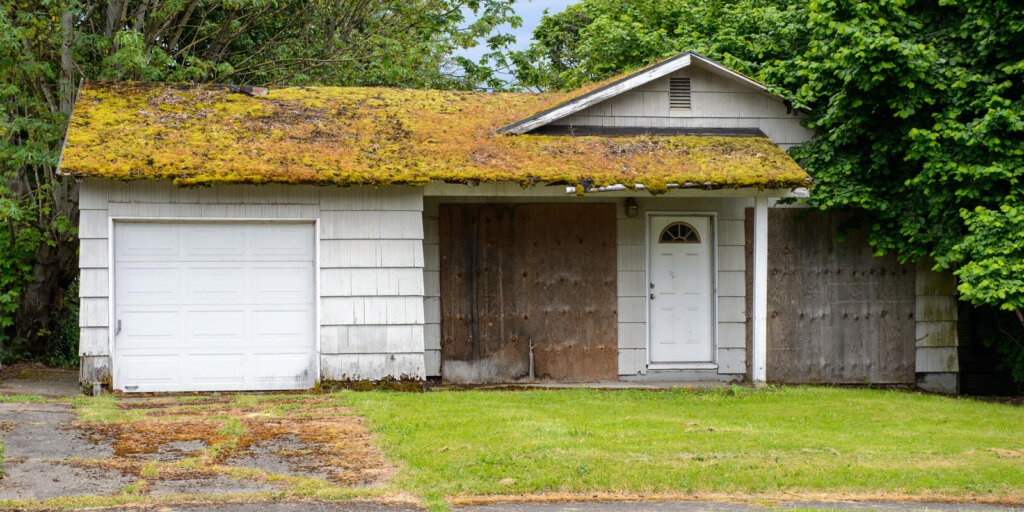
Step 1: Diagnose your property’s “deal risk”
Before you choose a selling route, you need clarity on what could slow or kill the deal. Deal risk usually comes from four areas: repairs, title/legal issues, finances (payoffs, liens), and occupancy. If you identify these early, you can choose an option that fits your situation instead of forcing a retail-style sale that collapses later.
Step 2: Estimate the big-ticket repairs
Even if you plan to sell as-is, you should know what the major repairs roughly cost. Buyers will estimate these numbers anyway, and you want to avoid getting anchored by a low estimate you didn’t verify. You don’t need a full scope-of-work; a basic contractor walkthrough focusing on roof, HVAC, plumbing, electrical, and structural items is often enough.
Step 3: Decide on your strategy using your timeline
Your timeline is the most important filter. If you must sell within weeks, prioritize routes that can close quickly and won’t require extensive repairs. If you have time, you can consider repairs and a listing strategy.
Step 4: Do “minimum viable preparation”
Distressed homes don’t need to look perfect, but they should be accessible, safe to walk through, and easy to evaluate. If you can remove trash, improve lighting, and make rooms visible, you reduce uncertainty. Reduced uncertainty often leads to better offers because buyers can quantify what they’re taking on.
Step 5: Get your paperwork ready early
Many distressed sales fall apart because paperwork becomes a surprise after the offer is signed. Title problems, unpaid HOA balances, missing probate authority, or unclear ownership can delay closing and push buyers away.
Step 6: Compare offers based on net proceeds and certainty
Two offers can have the same “price” but very different outcomes depending on fees, closing costs, inspection periods, financing contingencies, and how likely the buyer is to close on time. Your goal is to compare offers based on what you keep and how reliable the closing is.
Repairs: What Helps and What Usually Doesn’t
Distressed sellers often waste money because they repair what looks nice instead of repairing what reduces buyer fear.
Repairs that usually help
Repairs that stop active damage or remove safety concerns tend to deliver the best return. Fixing an active leak, addressing a serious electrical hazard, or preventing further water intrusion can change how buyers view the entire home. Basic cleanup also helps because it makes the property easier to assess.
Repairs that often don’t pay off
Full kitchen remodels, luxury finishes, and big redesigns are expensive and risky unless you commit to a full retail strategy. In many cases, you won’t recover those costs at sale time, especially if other major issues still exist.
Practical repair guidance table
| Repair Category | If Selling As-Is | If Listing Retail |
|---|---|---|
| Active water leaks | Strongly recommended | Essential |
| Electrical safety issues | Recommended | Essential |
| Debris removal and access | Highly recommended | Essential |
| Cosmetic paint and flooring | Optional | Helpful |
| Full kitchen/bath remodel | Usually skip | Depends on goal |
Pricing a Distressed Property in Miramar
Pricing is where distressed sales are won or lost. Overpricing causes the home to sit, and the longer a distressed home sits, the more buyers assume something is wrong. Underpricing can create urgency, but it may also leave money on the table.
Pricing method 1: Compare to similar condition sales
If you can find recent sales of homes in similar condition, those give the most realistic baseline. The challenge is that many distressed deals happen off-market, but any available comparable sales still help anchor your range.
Pricing method 2: ARV minus repairs and risk
A simple way to think about investor pricing is: start with what the home could sell for renovated, subtract realistic repairs, then subtract a risk/holding discount. That discount reflects time, uncertainty, permits, financing risk, and the buyer’s need for margin.
Pricing method 3: Create a competitive offer environment
When possible, seek multiple offers and compare them using the same criteria. In distressed situations, competitive tension often matters more than perfect appraisal math.
Pricing mistakes to avoid
The most common mistake is pricing the home like it’s “almost renovated” when it’s not. Another mistake is ignoring roof, HVAC, or foundation issues while expecting buyers to pay retail-like numbers. A third mistake is forgetting that title issues and liens don’t just reduce net proceeds—they can reduce buyer confidence, which impacts price.
Paperwork and Legal Readiness in Florida
Distressed properties tend to have more paperwork hurdles. Getting organized early makes you faster and more credible to serious buyers.
Core paperwork checklist
| Item | Why it matters |
|---|---|
| Proof of ownership (deed or title info) | Confirms you can sell |
| Mortgage payoff information | Determines net and closing timeline |
| Property tax information | Shows taxes due or liens |
| HOA contact and balance (if applicable) | Often required for closing |
| Probate authority documents (if inherited) | Confirms legal right to sell |
| Lease details (if tenant-occupied) | Impacts buyer strategy |
| Any repair receipts or permits | Helps reduce buyer uncertainty |
Florida deals can move quickly when documentation is clean. When it’s not, closings often slow down not because the home is distressed, but because the paperwork is.
Common Distressed Scenarios in Miramar
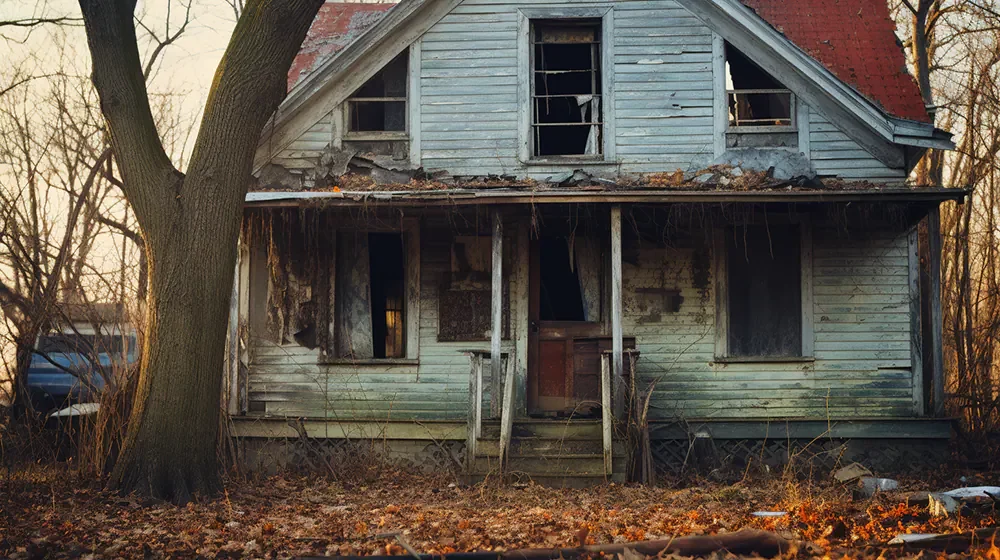
Selling an inherited home
Inherited properties are common sources of distress because the home may be outdated, vacant, or neglected, and multiple heirs may be involved. The key is ensuring the person signing has legal authority and that the estate process won’t stop closing.
Selling in pre-foreclosure
If foreclosure pressure is part of your situation, time matters more than anything. Starting early can mean the difference between having options and being forced into the fastest possible deal. Even a strong offer may not help if paperwork isn’t ready and deadlines are too close. For a clear overview of the process, read the CFPB guide on how foreclosure works.
Selling with code violations or unpermitted work
These situations don’t always prevent a sale, but they can reduce your buyer pool and create negotiation leverage for the buyer. Transparency and documentation help you maintain control.
Selling a tenant-occupied distressed home
Tenant occupancy adds complexity because the buyer may need to honor lease terms. Access for showings and inspections can also be more limited. The smoothest sales happen when lease terms are clear and cooperation is planned in advance.
Timelines: How Long Each Route Takes
Timelines vary, but this table gives a practical overview:
| Strategy | Typical Timeline | What slows it down |
|---|---|---|
| Sell as-is | Often weeks | Title issues, liens, occupancy |
| Hybrid approach | Several weeks to two months | Pricing mistakes, access, inspection |
| Retail listing after repairs | One to three months (or more) | Repairs, market days, financing |
If speed is your priority, focus on clarity, documentation, and minimizing unknowns.
Costs, Fees, and Net Proceeds Comparison
Distressed sellers often choose based on offer price alone. A better approach is comparing net proceeds and certainty.
| Cost/Factor | As-Is Sale | Retail Listing | Hybrid |
|---|---|---|---|
| Repairs paid upfront | Low/none | Medium/high | Low/medium |
| Commission | Usually none | Often 5–6% | Varies |
| Holding costs | Low | Higher | Medium |
| Inspection renegotiation risk | Medium | Higher | Medium |
| Timeline certainty | Higher | Medium | Medium |
When you compare, ask yourself: “How much will I actually keep, and how likely is this to close on time?”
Mistakes and Red Flags to Avoid
The distressed market includes many good buyers, but it also includes people who rely on confusion to secure a better deal later.
A common red flag is an offer that looks strong at first but includes a long inspection period with broad language that allows the buyer to reduce the price significantly. Another is pressure to sign quickly without allowing time to review terms. Lack of proof of funds is another warning sign when someone claims to be a cash buyer.
A strong, reliable transaction has clear terms: clear price, clear timeline, clear responsibility for closing costs, and a realistic inspection process.
Frequently Asked Questions
Can I sell a distressed house in Miramar as-is?
Yes. Many distressed homes are sold as-is. The most important factor is pricing the home correctly and being transparent about major issues.
Do I have to fix everything before selling?
No. In many cases, doing only safety-related fixes and basic cleanup provides the best balance. Full renovations are usually only worth it if you have time, budget, and a strong retail plan.
How fast can a distressed property sell?
It depends on paperwork and condition. Clear title and good access can speed things up. Liens, probate, or tenant complications can extend timelines.
Can I sell if I have liens or HOA debt?
Often yes. Many liens and balances can be addressed at closing, but they affect net proceeds and can delay closing if discovered late.
Can I sell if there are code violations?
Often yes. Buyers will price in the risk and cost. Transparency helps prevent last-minute price drops.
Final Thoughts: The Best Way to Sell a Distressed Property in Miramar
A distressed property doesn’t mean you’re stuck—it just means you need a plan built around reality: the home’s condition, your timeline, and any paperwork or occupancy challenges.
If speed and simplicity matter most, an as-is sale can reduce stress and limit out-of-pocket repair costs. If maximizing price is the priority and you have time and budget, targeted repairs and a traditional listing may deliver a stronger result. And if you’re somewhere in the middle, a hybrid approach—light cleanup, fixing only the most urgent issues, and pricing accurately—often gives the best balance between convenience and return.
No matter which route you choose, the smartest move is to compare options based on net proceeds and certainty, not just the headline number. That’s where Property Solution Services LLC can help—by guiding you through the process, keeping expectations clear, and helping you move forward with a selling strategy that fits your situation in Miramar’s current market.