

When you’re looking to sell your house, the presence of mold can be a significant concern. Mold is more than just an unsightly nuisance; it can affect the health of potential buyers and reduce the value of your home. If you’re a homeowner in Hollywood, FL, dealing with mold in your property, you might wonder: Can I still sell my house? The answer is yes, but there are important considerations to keep in mind. This article will explore everything you need to know about selling a house with mold, from understanding the legal requirements to your options for remediation and pricing strategies.
What Is Mold and Why Is It a Problem?
What Is Mold?
Mold is a type of fungus that grows in moist environments. It thrives in areas where there’s excess moisture, such as bathrooms, kitchens, basements, and attics. Mold spores are always present in the air, but they need a damp environment to grow and multiply. Once mold begins to grow, it can quickly spread, particularly if the underlying moisture problem isn’t addressed.
For a more detailed explanation of mold types and the conditions that promote mold growth, you can refer to this comprehensive guide on mold and its effects by the U.S. Environmental Protection Agency.
Common Mold Types
There are several types of mold that homeowners commonly encounter. These include:
- Aspergillus: This mold grows in places with high humidity, such as basements.
- Cladosporium: This mold is often found in carpets, fabrics, and mattresses.
- Stachybotrys (Black Mold): Black mold is infamous for its toxicity and can cause significant health problems.
- Penicillium: This mold grows in damp areas like walls or ceilings, and while not as toxic as black mold, it can still cause health issues.
Why Mold Is a Concern When Selling a House
While mold isn’t always harmful in small quantities, it can lead to serious problems, especially when left unchecked. Mold can damage a property’s structure, leading to costly repairs. Additionally, mold is a health hazard that can cause respiratory problems, allergies, and other health complications for people who are sensitive to it. For these reasons, mold issues can significantly affect a home’s sale.
Health Hazards
Mold exposure can cause various health issues, including:
- Respiratory issues such as coughing, wheezing, and shortness of breath
- Allergic reactions like sneezing, runny nose, and itchy eyes
- Asthma attacks or aggravation of pre-existing asthma
- Headaches and dizziness in some cases
For these reasons, potential buyers might be reluctant to purchase a property with mold, especially if the mold problem seems extensive or if they have young children, elderly family members, or respiratory issues.
Legal Implications
In Florida, homeowners are required to disclose any known issues with the property, including mold. Failure to disclose mold problems can lead to lawsuits, potential financial liabilities, or the cancellation of the sale.
Can You Sell a House in Hollywood, FL with Mold?
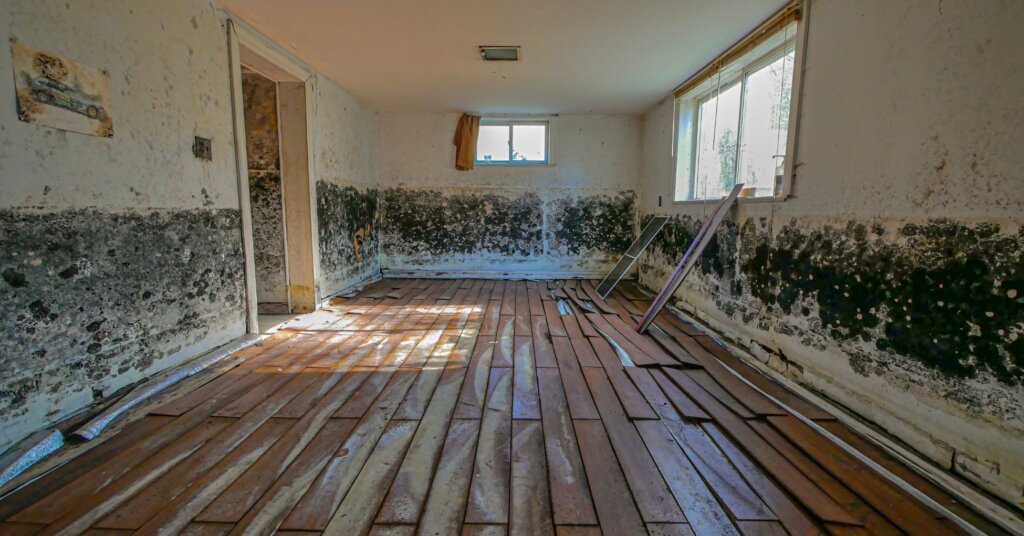
Is It Legal to Sell a House with Mold in Hollywood, FL?
Yes, it is legal to sell a house with mold in Hollywood, FL, but you are required to disclose the issue to potential buyers. Florida law mandates that sellers disclose any known defects or issues with the property. If you fail to disclose mold, the buyer can take legal action and may even have the right to rescind the sale.
The disclosure requirement is important because it protects both the seller and the buyer. Buyers have the right to know about any issues that could affect their health or the home’s value, while sellers avoid legal repercussions by providing full transparency.
Can a Home with Mold Be Sold As-is?
In some cases, homeowners choose to sell their properties “as-is,” which means they will not make any repairs or address any issues, including mold. It’s possible to sell a home with mold as-is, but this approach comes with its own set of challenges.
- Buyer Perception of As-is Homes: Selling as-is with mold may limit the pool of potential buyers, as many people are hesitant to purchase homes with mold problems. However, some buyers, particularly cash buyers, may be willing to purchase the property in its current condition, especially if they’re looking for a discount.
Steps to Take Before Selling a House with Mold
Before you list your house, it’s essential to assess the mold situation. Taking these steps will help you make informed decisions and potentially maximize the sale price.
1. Get a Mold Inspection
A professional mold inspection is the first step in determining the severity of the problem. A certified inspector will assess the property, identify areas affected by mold, and provide a detailed report. The inspector may also determine whether there’s an underlying moisture issue causing the mold growth, which will need to be addressed to prevent future mold problems.
2. Evaluate Mold Damage
Once the inspection is complete, it’s crucial to evaluate the extent of the damage. Mold can be superficial, affecting only the surface of materials like drywall or wood, or it can be more extensive, penetrating deeper into the structure of the home. Understanding the severity of the mold will help you decide whether remediation is necessary before selling.
3. Mold Remediation vs. Selling As-is
Once you know the extent of the mold damage, you’ll need to decide whether it’s worth remediating the problem or selling the house as-is. Remediation can be costly, especially for large areas of mold, but it may help increase the sale price and buyer confidence. If you decide to sell as-is, be sure to disclose the mold issue and set expectations with potential buyers.
Selling a House with Mold: Options for Homeowners
There are several options for selling a house with mold. Your decision will depend on your budget, the severity of the mold issue, and your timeline.
Selling to a Cash Buyer
One option is to sell to a cash buyer. Cash buyers are often more flexible with properties that have mold because they don’t require financing and are typically experienced with buying homes in need of repairs.
- How Cash Buyers Handle Mold: Cash buyers are often willing to purchase homes with mold at a discounted price. They understand the costs involved in remediation and are willing to take on the responsibility of addressing mold problems themselves.
- Benefits of Selling to a Cash Buyer: The biggest advantage of selling to a cash buyer is the speed of the transaction. Cash buyers can close quickly, sometimes in as little as seven days. Additionally, there are fewer contingencies, and you won’t need to worry about making repairs.
Selling with Mold Remediation
Another option is to address the mold issue by hiring a professional remediation service. Remediating the mold can help improve the property’s appearance and ensure that the home is safe for buyers.
- Pros of Remediating First: Mold remediation can potentially increase the home’s value by removing health hazards and improving its overall appeal. It may also make it easier to find a buyer.
- Costs Involved in Mold Remediation: The cost of mold remediation varies based on the size of the affected area. On average, homeowners can expect to pay between $500 and $10,000, depending on the extent of the damage.
Selling As-is (Without Remediation)
If the cost of remediation is too high, selling the home as-is may be the best option. Many buyers, particularly investors or cash buyers, are willing to purchase properties in poor condition.
- When to Consider an As-is Sale: If the mold issue is minor or if you can’t afford remediation, selling as-is may be the right choice. You’ll need to be transparent about the mold problem and adjust your asking price accordingly.
- How to Attract Buyers for an As-is Property: To attract buyers, be sure to price the property competitively and highlight the home’s potential once the mold is addressed. Consider offering incentives, such as covering closing costs, to make the deal more attractive.
Mold and Its Impact on Home Sale Price
How Mold Affects the Value of a Home
Mold can significantly impact the value of your home. The presence of mold may lead to lower offers from buyers, especially if they are concerned about the health risks and repair costs. In some cases, mold issues may result in a price reduction of 10% to 50%, depending on the severity of the damage.
Can Mold Affect the Sale of Your Home in Hollywood, FL?
In Hollywood, FL, mold can affect the sale of your home, but the extent of the impact will depend on factors such as the local real estate market and the mold issue’s severity. In general, homes with mold will have a harder time selling, but there are buyers who are specifically looking for fixer-uppers or investment properties.
How to Handle Mold Disclosure When Selling
Disclosure Requirements in Hollywood, FL
In Florida, sellers are required to disclose any known issues with the property, including mold. Failing to disclose mold could result in legal consequences, including the possibility of the buyer suing for damages or canceling the sale.
- Florida’s Disclosure Laws: Sellers must complete the Seller’s Property Disclosure Statement, which includes questions about mold and other property defects. If you’re aware of mold in your home, you must disclose it on this form.
How to Disclose Mold to Buyers
Be honest and upfront with potential buyers about the mold issue. Provide them with the inspection report and any documentation regarding the mold remediation process. It’s important to set clear expectations about the condition of the home and any potential health risks.
- Proper Disclosure Steps: Include detailed information in the property disclosure, provide documentation of the mold inspection, and inform the buyer of the steps you’ve taken (or intend to take) regarding mold remediation.
Frequently Asked Questions (FAQs)
Q. Can I sell my house with mold in Hollywood, FL?
Answer: Yes, you can sell your house with mold in Hollywood, FL, but you must disclose the mold problem to potential buyers. Failure to do so could result in legal consequences.
Q. Do I need to fix the mold before selling my house?
Answer: It’s not mandatory to fix the mold before selling, but doing so can increase the property’s value and make it more appealing to buyers. Alternatively, you can sell as-is, but disclosure is required.
Q. How does mold affect the sale price of a home?
Answer: Mold can reduce a home’s value, with price reductions often ranging from 10% to 50%, depending on the severity of the mold problem. Buyers may also factor in the cost of mold remediation.
Q. Is it safe to sell a house with mold?
Answer: While it’s legal to sell a house with mold, it’s not considered safe for potential buyers unless the mold issue is fully disclosed and remediated. Mold can affect health, so proper disclosure is crucial.
Q. How do I disclose mold to a potential buyer?
Answer: In Florida, you must include mold-related issues in the Seller’s Property Disclosure Statement. Be transparent about the mold problem, the areas affected, and any remediation steps taken or planned.
Q. Can I sell a house with mold to a cash buyer?
Answer: Yes, many cash buyers are willing to purchase homes with mold, often at a reduced price. Cash buyers are typically more flexible and experienced with properties that need repairs.
Conclusion
Selling a house in Hollywood, FL with mold can seem daunting, but it is entirely possible when you understand your options and legal responsibilities. Whether you decide to address the mold through professional remediation, sell the home as-is, or work with a cash buyer, the most important thing is to be transparent and set clear expectations for potential buyers. At Property Solution Services LLC, we are experienced in navigating these challenges and can help you explore the best solution based on your home’s condition and your goals. We understand that dealing with mold can be stressful, but with the right guidance, you can still make a successful sale. Whether you opt to fix the mold or sell it as-is, we’re here to help you through every step of the process. By taking the right actions, you can move forward confidently and successfully sell your home, even with mold present.