

Experiencing a house fire is stressful — but deciding what to do afterward can feel even harder. If your property in Tamarac, FL suffered fire damage, the thought of paying for costly repairs, dealing with contractors, or waiting months before selling can be overwhelming.
The good news: you don’t always have to invest in major repairs to sell. Many homeowners successfully sell fire‑damaged homes “as-is,” saving time, money, and hassle. In this guide, we walk you through how to sell a fire‑damaged house without major repairs — legally, ethically, and strategically — while maximizing your chances of a sale.
Understanding Fire Damage and Its Impact on Your Home
Types of Fire Damage
Fire damage isn’t always just “burn marks.” It can come in various forms, each affecting different parts of the home:
- Structural Damage — Damage to load‑bearing walls, roof, support beams, framing, roof trusses, or foundation from heat or fire. These issues threaten the safety and integrity of the home.
- Smoke & Soot Damage — Residue from smoke can affect walls, ceilings, fixtures, and can permeate into porous surfaces (drywall, insulation, carpets). Even after fire is out, smoke smell and soot can linger.
- Water Damage from Firefighting Efforts — Water used to extinguish fire can soak floors, walls, ceilings; lead to mold, rot, electrical or plumbing issues if not addressed properly.
- Hidden Damage / Hazards — Heat may weaken structural components insidiously; smoke and soot may contaminate ventilation, insulation, or conceal harmful residues.
Because of these varied damage types, what you see on the surface may not reflect the full scope of issues — making assessment critical before selling. A thorough fire damage assessment is key to understanding the true state of the property. You can read more about the importance of a fire damage assessment in the detailed guide provided by Guarantee Restoration Services.
How Fire Damage Affects Home Value & Marketability
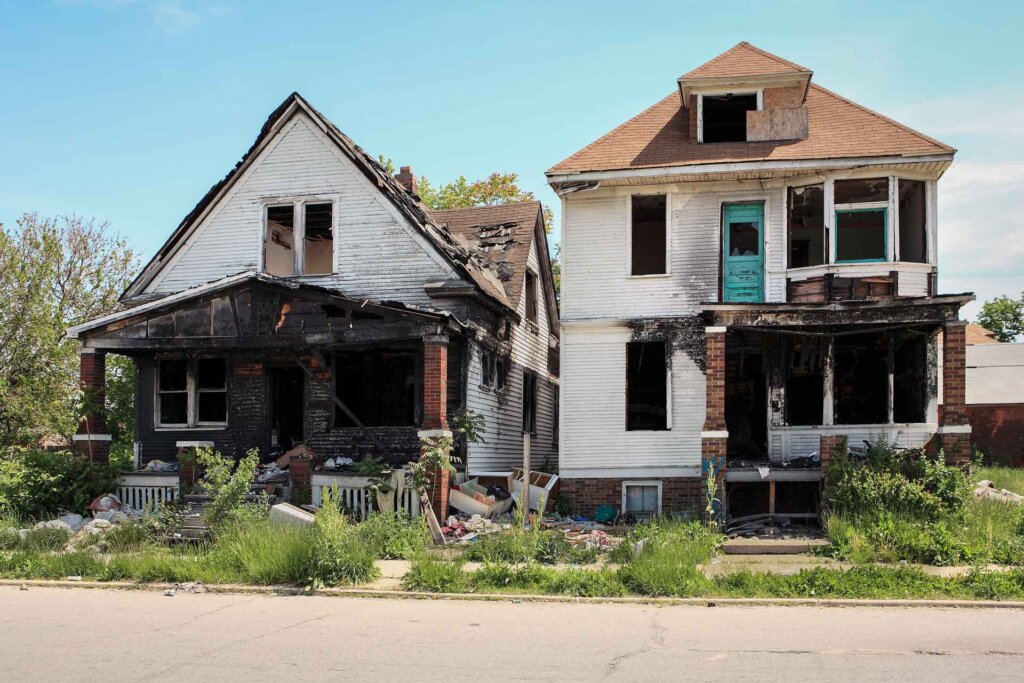
Fire damage significantly impacts a home’s value. Key consequences:
- Many potential buyers — especially traditional buyers seeking “move‑in ready” homes — shy away from fire‑damaged properties due to repair costs, unknowns, and perceived risk.
- Even if repairs are done, the “history” of fire can cause stigma: future buyers may worry about hidden problems, resale value, or insurance complications.
- Repair costs (especially structural, smoke remediation, electrical/plumbing, water damage) can be substantial — sometimes exceeding what’s financially feasible, especially if you’re trying to sell fast.
Therefore, many homeowners decide that selling as-is, without fixing everything, may be the smart path — if done correctly.
The Advantages of Selling a Fire-Damaged Home As-Is
Selling “as-is” a fire‑damaged home offers several advantages, particularly for owners who want to avoid repair costs, delays, and stress:
- Time Savings: No need to wait for repairs, contractors, or remodeling. The sale process can move much faster.
- Cost Savings: You avoid upfront repair expenses, contractor fees, and the risk of unforeseen costs — especially in structurally damaged homes.
- Avoiding Stress & Uncertainty: Fire‑damage restoration can uncover hidden issues (mold, structural problems, electrical hazards). By selling as-is, you transfer those risks to the buyer.
- Appealing to Cash Buyers and Investors: There are buyers and investors who specialize in distressed and fire-damaged homes — they often pay cash, close quickly and don’t require perfection.
- Faster Equity Liquidation: For owners needing cash fast (perhaps due to relocation, financial hardship, insurance gaps, or other reasons), selling as-is offers a quicker exit strategy.
Given these benefits, selling “as-is” can be an appropriate, practical path — especially if you don’t want to (or cannot) invest more money or time into major repairs.
Options for Selling Your Fire-Damaged Home in Tamarac, FL
When it comes to selling a fire‑damaged home, you basically have two main paths. Each has different implications.
| Option | Description | Pros | Cons |
|---|---|---|---|
| Traditional Sale via Realtor / Agent | List home on the open market (MLS), disclose damage, possibly repair before sale or sell as-is. | Access to many buyers, possibility to get higher price (if repaired), more market visibility. | Hard to attract buyers with fire‑damage history; may require costly repairs; slower timeline; potential difficulties getting financing for buyers. |
| Sale to Cash Buyer / Investor (As-Is) | Sell directly to investors or cash‑buying companies that specialize in buying damaged / distressed properties. | Fast closings, no need for repairs, minimal hassle, good for owners who want convenience or quick sale. | Generally lower sale price; fewer buyers; need strong disclosure/documentation; may attract only investors. |
While traditional sale may work if damage is minimal and you’re willing to invest in repairs, selling to a cash buyer is often the most realistic and efficient choice for significantly fire‑damaged homes.
Steps to Selling a Fire-Damaged House Without Major Repairs
If you decide to go the “as‑is / no major repairs” route, follow these steps to maximize your chances and protect yourself legally.
Step 1: Assess the Damage Thoroughly
It’s crucial to get a clear understanding of the damage — both visible and hidden.
Fire Damage Assessment Checklist
| Area of Home | Type of Damage | Severity (High / Medium / Low) | Notes / Comments |
|---|---|---|---|
| Roof / Structural | Heat/fire impact | Check beams, trusses, load‑bearing walls | |
| Walls / Interiors | Smoke, soot, fire marks | Especially drywall, insulation, paint, trim | |
| Flooring | Water damage, soot | Especially wood flooring, sub-flooring | |
| Ceilings | Smoke damage, structural | Potential sagging, stain, odor | |
| Electrical / Plumbing / HVAC | Heat / fire damage, water from extinguishing | Must be inspected for safety risks | |
| Water Damage / Mold Risk | Water from firefighting | May require mold mitigation or drying out | |
| Air Quality / Hazard | Smoke odor, soot, possible toxins | Consider air quality test, environmental hazard check |
It’s advisable to hire a qualified home inspector, structural engineer or fire‑damage specialist to evaluate the full extent — hidden problems (like structural instability, smoke residue behind walls, water‑related mold, electrical hazards) are common.
A detailed inspection will help you set realistic expectations for sale value, avoid surprises during buyer inspections, and document what you know — which brings us to the next step.
Step 2: Gather Documentation & Reports
When selling a fire‑damaged home, documentation is crucial. You should aim to assemble the following:
- Official fire report from the fire department or local authorities (if available)
- Photos and videos of damage (immediately after fire, before cleanup)
- Inspection reports (structural, electrical, plumbing, environmental if applicable)
- Records of any cleanup, remediation, or temporary stabilization work (e.g. boarded windows, roof tarping, water cleanup)
- Insurance claim information (if you filed for fire damage) — but note that not all situations will have a usable claim.
Having this documentation does more than help with sale — it builds transparency and protects you from legal or liability issues later on.
Step 3: Understand Legal & Disclosure Obligations
Even if selling “as-is,” you must fully disclose the history of fire damage and known defects. In most jurisdictions, fire damage qualifies as a “material defect” — a problem that affects the safety, value, or desirability of a property.
Failing to disclose known fire damage can lead to legal liability, potential lawsuits, or buyer rescission later — even if you indicate “as-is.”
Important: “As-is” does not override disclosure requirements. Transparency and honesty are essential.
Step 4: Decide on Asking Price — Realistic & Transparent
Determining a fair price for a fire‑damaged house is often more art than science. Here’s a commonly used approach:
As‑Is Value ≈ Pre‑Fire Market Value – (Estimated Repair Costs + Risk/Discount for Fire History)
Key considerations when pricing:
- Extent of visible damage and potential hidden issues (structural, smoke, water, mold, electrical)
- Cost estimates for repairs (if buyer intends to fix) or cost to remediate/habitable make‑ready (if required)
- Local market conditions — what comparable homes (in same area/neighborhood) are selling for (before fire) and adjusting for damage, risk, and rehab costs.
- Discount due to stigma / perceived risk / difficulty for financing (many lenders may hesitate or exclude fire‑damaged houses)
Investors and cash‑buyers often expect a discount (sometimes substantial) compared to pre‑fire market value — but many are still willing to purchase.
Step 5: Decide How to Sell — Traditional Listing vs. Direct Sale to Investor
At this point you have options:
- List with a Realtor / Traditional Sale (with disclosure): This might work if the damage is minimal, cosmetic or you’re willing to discount heavily. But many buyers looking for move‑in ready homes avoid fire‑damaged properties.
- Sell Directly to Cash Buyer / Investor (As‑Is): For many owners, selling to investors specializing in distressed properties is the most practical way — they expect “fixer‑uppers,” may pay cash quickly, and don’t require perfection.
If you choose the investor route, aim for transparency, supply all documentation, and be upfront about what you know. Investors are often comfortable with “as-is” if the price reflects the risk.
How to Find a Cash Buyer for Your Fire-Damaged Home
If you opt to sell “as-is,” finding the right buyer is crucial. Here are practical tips and guidelines:
Where to Look for Cash Buyers / Investors
- Specialized investors or companies that buy distressed properties (fire‑, smoke‑, water‑damaged homes). Many operate nationally or regionally.
- Local real estate investors or “fixer‑upper” buyers who are comfortable with rehabs and willing to accept risk and invest.
- Real estate agents/realtors who have experience with damaged or distressed properties — they may have a network of investors.
- Auctions (in some markets) or listing on platforms known for distressed properties. But note: auctions may involve higher risk and fewer guarantees.
What Cash Buyers Typically Look For in Fire-Damaged Homes
Investors evaluating a fire‑damaged property will often seek:
- Structural integrity (foundation, support walls, roof) — even if repairs are needed, the bones must be solid.
- Clear documentation — fire reports, damage assessments, any cleanup or stabilization done, inspection reports. Helps them evaluate risk and cost.
- Price that reflects damage, repair costs, and perceived risk — they expect a discount relative to pre‑fire market value.
- Flexibility — ability to buy as-is, handle repairs themselves, often pay cash, and close quickly.
Due Diligence When Dealing with Cash Buyers
Because fire‑damaged homes attract investors taking on risk, you should:
- Ask for proof of funds (especially for cash offers).
- Review their track record: past purchases of damaged homes, references, testimonials.
- Be transparent — provide all documentation, disclose known damage, hazards, smoke issues, water damage, etc.
- Use a real estate attorney or trusted advisor when reviewing contracts, assignments (especially if insurance claims or payouts are involved), and closing terms.
Transparency and documentation are key both for value and for avoiding legal issues later.
Navigating Legal & Disclosure Requirements in Tamarac, FL
Selling a fire‑damaged home “as-is” is legal — but it comes with responsibilities. Even if the house is damaged, you must follow state (and possibly local) disclosure requirements to avoid future liability.
What Must Be Disclosed
- History of fire, date of fire, nature of damage (structural, smoke, water, etc.) — any “material defects.”
- Any repairs, remediation, or stabilization done (or not done).
- Known hazards (electrical, water damage, structural integrity, smoke / air quality issues, mold risk, etc.).
- Insurance claim status (if relevant) — inform buyers if there is an outstanding/assigned insurance payout, or if you intend to transfer claim rights (if allowed by law).
“Selling as-is” does not permit withholding material defect information. Transparency is important not only ethically, but legally.
For more information on your legal obligations when selling a fire-damaged home, refer to Do You Have to Disclose a Fire When Selling a House?
What Documentation to Prepare & Share with Buyer
- Official fire department/fire marshal report (if available)
- Inspection reports (structural, environmental, plumbing/electrical, mold, etc.) if done
- Photos/videos of damage — “before cleanup” if possible
- Receipts or records of any stabilization or cleanup efforts (e.g. boarded windows, water removal, temporary tarping)
- Disclosure forms required by Florida law (or local county/municipality real estate disclosure requirements)
Providing organized, honest documentation fosters trust and can protect you from liability if issues arise later.
Pros & Cons of Selling a Fire‑Damaged Home Without Major Repairs
Pros
- Fast sale and quick cash — no long repair timelines, no dealing with contractors or renovations.
- Lower out‑of‑pocket costs — avoid major repair/rehab expenses.
- Convenience — minimal hassle, fewer delays, easier to coordinate with buyers who expect “as-is.”
- Removes burden of future repairs and risk — buyer assumes responsibility for rehab, risk, and costs.
- Good option if you need cash fast, relocation is urgent, or you’re emotionally/financially unable to rehab the home.
Cons / Risks
- Significantly reduced sale price — fire‑damaged homes sell for less than comparable undamaged homes.
- Smaller pool of buyers — most traditional buyers avoid fire‑damaged properties; likely limited to investors or cash buyers.
- Potential stigma — even after repairs, the house’s fire history may deter future buyers or affect resale value.
- Legal and disclosure responsibilities — must fully disclose damage. Failing to do so can lead to liability or lawsuits.
- Some buyers may still request repairs or remediation (e.g. smoke mitigation, structural fixes) before closing — even investors may be cautious.
Given these trade‑offs, selling as-is is often best when speed, convenience, or financial/ emotional constraints are priorities — but it’s not ideal if your goal is to get top-market value.
How to Prepare Your Home for Sale (With Minimal Effort)
Even if you’re selling as-is, some minimal preparation can improve marketability — without committing to major repairs:
- Clean up obvious messes: remove debris, clean soot where possible, clear out damaged furniture, empty trash, make rooms presentable enough for photos or walkthroughs. Minor cleanup doesn’t count as major renovation, but helps buyer see potential.
- Document everything clearly: photos, videos — both of damage and any cleanup or stabilization — to give buyer clarity and build trust.
- Make minor cosmetic tweaks if affordable: simple cleaning, removing charred items, board‑up windows/doors, patch small holes — only if low-cost and you aren’t investing heavily.
- Highlight salvageable / good features: if parts of the house remain intact (foundation, layout, lot, neighborhood, land size, lot amenities), emphasize these in your listing — many investors care more about potential than current condition.
- Be upfront in the listing description: use clear, honest wording like “fire‑damaged, being sold as-is,” avoid misleading language. Transparency attracts serious buyers and avoids future liability.
These minimal steps can help you present the property as a “project opportunity” rather than a “dumped problem,” which improves chances of sale and investor interest.
Common Myths & Misconceptions About Selling Fire‑Damaged Homes
Here are some common myths — and the real truth behind them.
Myth 1: “You Must Fix Everything Before Selling”
Reality: Not necessarily. Many sellers successfully sell as-is to cash buyers or investors — especially when the price reflects damage and risk.
Myth 2: “No Buyer Will Touch a Fire-Damaged House”
Reality: There are investors and buyers who specialize in distressed properties — many are comfortable with fire‑damage if the price is right, and are prepared to rehab.
Myth 3: “Selling As‑Is Means I Don’t Need to Disclose the Damage”
Reality: “As-is” does not erase your obligation to disclose known defects — including fire damage, structural issues, water damage, hazards, etc. Failing to disclose can lead to legal liability even if contract says “as-is.”
Myth 4: “You Won’t Get Anything — It’s Not Worth Selling”
Reality: While sale price will be lower than market value for an undamaged home, many owners get fair cash offers — especially with investors willing to take on rehab costs.
Understanding these truths helps you set realistic expectations — and make an informed decision rather than acting on fear or assumptions.
FAQs — Selling a Fire-Damaged House Without Major Repairs
Q1: Can I legally sell my fire‑damaged house without making any repairs?
Yes — selling as-is is legal, but you still must disclose any known damage or defects (fire history, structural issues, hazards) as part of property disclosure laws.
Q2: Will anyone buy a fire‑damaged home?
Yes. There are investors and cash buyers who specialize in distressed properties and are willing to purchase fire‑damaged houses as-is, especially when the price reflects risk and repair costs.
Q3: How should I price the home if I sell as-is?
A typical method is: As‑Is Value ≈ Pre‑Fire Market Value – (Estimated Repair Costs + Discount for Damage History and Risk). Be realistic, account for visible and hidden damage, potential rehab costs, and investor risk.
Q4: What documentation should I have when selling a fire‑damaged property?
Include the fire department report, photos/videos of damage, inspection reports (structural, environmental, plumbing/electrical, mold, etc.), records of any cleanup or stabilization work, and disclosure statements. This builds transparency and legal protection.
Q5: Should I try to fix minor issues (cleanup, paint, etc.) before selling?
Minor cleanup — removing debris, cleaning soot, removing damaged items, basic tidy-up — can improve sale appeal and attract buyers. However, major structural or safety repairs are often not worth the investment if your goal is a fast, as-is sale.
Conclusion — Is Selling Without Major Repairs Right for You?
Selling a fire‑damaged home without major repairs isn’t just possible — for many owners, it’s the most practical and financially sensible option. Especially if you’re in Tamarac, FL and:
- don’t have the funds for costly repairs
- need to move or liquidate quickly
- don’t want to manage contractors or renovation stress
- are okay with accepting a lower sale price in exchange for convenience and speed
Then selling as-is — with full disclosure and proper documentation — can be a good path forward.
That said, it comes with trade‑offs: lower sale price, fewer buyers, and potential stigma. If you want maximum value and are willing to invest time and money, repairing first and listing traditionally might yield more — but for owners prioritizing speed and ease, an as-is sale to a cash buyer or investor often makes the most sense.
If you decide to proceed, focus on transparency, realistic pricing, and finding buyers comfortable with a rehab project. With the right approach, you can turn a deeply stressful fire‑damaged property into a clean exit — and a fresh start.
At Property Solution Services LLC, we specialize in buying fire‑damaged homes as-is, offering quick and fair cash offers. Contact us today to learn more about how we can help you sell your property with minimal hassle and maximum ease.