

Selling a house with mold can feel like navigating a minefield. In humid areas like Hallandale Beach, FL, mold growth is one of the most common issues homeowners face, particularly in older properties or homes that have experienced water damage. For many, discovering mold in their home is stressful—not only because of health risks but also because it can dramatically impact the property’s market value.
The good news is that a house with mold can still be sold successfully. The key lies in understanding the mold problem, assessing its severity, disclosing it properly, and identifying the right type of buyer. Whether you plan to sell the house as-is or consider limited remediation, you can achieve a fair sale with the right approach.
This guide provides a step-by-step roadmap for homeowners in Hallandale Beach. You’ll learn about types of mold, inspection techniques, pricing strategies, negotiation tips, and alternatives to traditional sales. By the end, you’ll have a comprehensive understanding of how to sell a mold-affected property quickly, safely, and profitably.
Understanding Mold in Homes
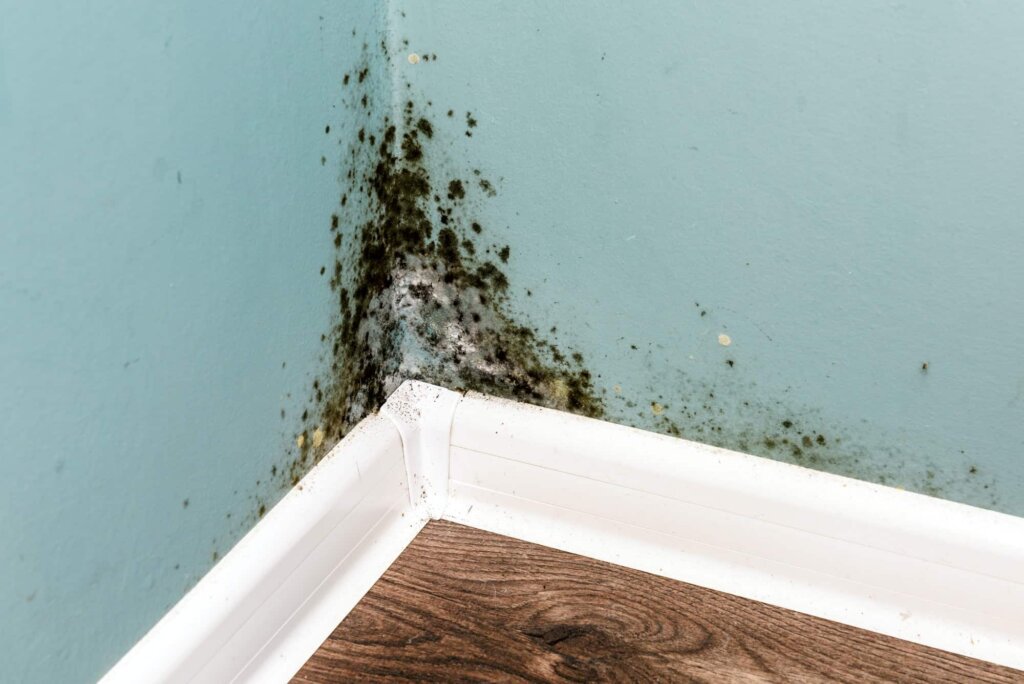
What is Mold?
Mold is a type of fungus that thrives in warm, damp, and humid conditions. It reproduces through spores, which can easily spread through the air and colonize new surfaces. Mold can grow on virtually any organic material, including wood, drywall, carpet, insulation, and furniture. To learn more about the different types of mold commonly found in homes and how they grow, you can visit the EPA’s official guide on mold.
In Hallandale Beach, the combination of high humidity, frequent rainfall, and occasional flooding makes homes particularly susceptible to mold growth. Some of the most common types of mold include:
- Aspergillus: Often found in air conditioning systems or areas with water leaks. Can cause respiratory irritation in sensitive individuals.
- Cladosporium: Appears on fabrics, carpets, and painted surfaces. Usually non-toxic but can trigger allergies.
- Stachybotrys (Black Mold): Highly toxic and grows on cellulose-rich materials such as drywall or wood. Associated with severe health risks, including respiratory and neurological problems.
Mold can develop behind walls, under floors, or in crawl spaces where moisture is trapped and airflow is limited. It may not always be visible, making inspections critical before listing a home.
Common Causes of Mold in Hallandale Beach Homes
Several factors contribute to mold growth in local homes:
- Water Leaks: Leaky roofs, faulty plumbing, or appliances like water heaters and dishwashers can create moisture pockets, ideal for mold growth.
- Flooding: Storm surges, hurricanes, or heavy rainfall can leave residual moisture in walls, floors, and basements, accelerating mold colonization.
- Poor Ventilation: Bathrooms, kitchens, attics, and crawl spaces with inadequate airflow trap moisture and create hotbeds for mold spores.
- Humidity: The average humidity in Hallandale Beach is around 74%, which is highly conducive to mold proliferation.
Identifying the cause is crucial, as addressing the source of moisture is the first step in controlling mold before a sale.
Health Risks of Mold Exposure
Exposure to mold can cause a range of health issues, which is why disclosure is legally and ethically necessary. Common health risks include:
| Health Issue | Symptoms |
|---|---|
| Allergic Reactions | Sneezing, runny nose, itchy eyes, skin irritation |
| Respiratory Problems | Coughing, wheezing, asthma attacks, sinus congestion |
| Toxic Mold Exposure | Headaches, fatigue, neurological effects, chronic respiratory illness |
Children, the elderly, and individuals with compromised immune systems are particularly vulnerable. Understanding these risks is essential for sellers to properly inform buyers and prevent legal complications.
Assessing the Mold Problem
How to Inspect Your Home for Mold
A thorough home inspection helps determine the extent of the mold problem:
- Visual Inspection: Look for visible signs of mold, such as black or green patches on walls, ceilings, or floors. Pay special attention to corners, behind furniture, and around windows.
- Odor Detection: Musty or earthy smells are often indicators of hidden mold.
- Hidden Areas: Check behind wallpaper, under sinks, in attics, basements, and inside HVAC systems. Mold can hide in insulation or within wall cavities.
- Moisture Measurement: Moisture meters can help detect damp areas that may harbor hidden mold.
Document your findings with photos and notes. Detailed documentation can be valuable during negotiations and ensures compliance with disclosure requirements.
When to Hire a Professional Mold Inspector
While minor mold patches can be managed by homeowners, hiring a certified professional is often necessary in these cases:
- Mold covers more than 10 square feet or multiple rooms.
- Mold repeatedly returns after cleaning attempts.
- There is structural damage, water leaks, or concerns about hidden contamination.
Professional inspectors provide:
- Accurate Testing: Identify mold type and concentration.
- Documentation: Official reports that can be shared with potential buyers.
- Remediation Recommendations: Guidance on how to safely remove mold.
Mold Testing Methods
Professional mold testing helps you quantify the severity of the problem. Common methods include:
| Method | Description | Cost Estimate |
|---|---|---|
| Surface Sampling | Swab visible mold patches for lab analysis | $50–$100 |
| Air Sampling | Collect air samples to measure spore concentration | $150–$300 |
| Bulk Sampling | Remove material from walls, floors, or insulation | $200–$400 |
Testing not only informs sellers but also provides transparency for buyers, which can prevent disputes during the sale.
Preparing to Sell a Mold-Infested House
Legal Requirements in Florida
Florida law requires sellers to disclose all known defects, including mold. Failing to disclose these issues can lead to lawsuits, fines, or the cancellation of a sale. Key obligations for sellers include:
- Property Disclosure Forms: Accurately report any knowledge of mold or other property defects.
- Documentation: Provide inspection reports and any records of remediation work performed.
- Honesty in Marketing: Avoid misrepresenting the property’s condition to prevent legal liability.
Sellers are typically required to complete a Seller’s Property Disclosure form and provide truthful information about the home’s condition. For a detailed overview of Florida’s disclosure requirements and guidance for home sellers, you can visit the comprehensive guide on Florida home seller disclosures by Nolo.
Disclosure Obligations for Sellers
Disclosure is not only a legal requirement but also a trust-building step for buyers. Sellers should:
- Fill out property disclosure forms accurately.
- Provide prior mold inspection or remediation reports.
- Be transparent during showings about the condition of the property.
Estimating the Cost of Mold Remediation
Understanding the potential remediation cost helps sellers decide whether to repair or sell as-is.
| Mold Severity | Estimated Cost in Hallandale Beach, FL |
|---|---|
| Minor (small patches) | $500–$1,500 |
| Moderate (multiple rooms) | $2,000–$5,000 |
| Severe (structural damage) | $5,000–$15,000+ |
These costs are general estimates and can vary depending on the size of the affected area and the remediation method used. For a more detailed breakdown of mold remediation expenses, you can visit This Old House’s comprehensive guide on mold remediation costs.
Selling Your Moldy House “As-Is”
Pros and Cons of Selling As-Is
Selling as-is means selling without performing mold remediation.
Pros:
- Faster sale
- No upfront repair costs
- Attractive to investors or cash buyers
Cons:
- Lower sale price
- Smaller pool of interested buyers
- Buyers may request price reductions or concessions
For a detailed guide on the benefits and challenges of selling a home as-is, you can visit HomeLight’s comprehensive guide on selling a house as-is.
How to Find Cash Buyers
Cash buyers are often the best option for homes with mold. Tips include:
- Search for real estate investors in Hallandale Beach who specialize in distressed properties.
- Use online marketplaces and investment groups.
- Highlight the as-is condition in your listings to attract serious, fast-moving buyers.
Tips for Marketing a Mold-Affected Property
- Be upfront about mold issues to avoid wasted time.
- Include photos of affected areas while emphasizing other property features.
- Offer flexible showings and fast closing options.
- Consider emphasizing location, lot size, or other positive aspects that offset the mold problem.
Pricing Strategies for Moldy Properties
Factors That Affect Property Value
The impact of mold on home value depends on:
- Size of the affected area
- Severity and type of mold
- Overall property condition
- Current real estate market conditions in Hallandale Beach
Sample Price Reduction Table Based on Mold Severity
| Severity Level | Price Reduction (%) |
|---|---|
| Minor | 5–10% |
| Moderate | 10–20% |
| Severe | 20–40% |
Accurate pricing ensures that the property attracts buyers while reflecting the costs of remediation or risk.
Negotiation Tips for Sellers
Handling Offers from Buyers
- Expect offers to be lower than market value due to mold.
- Provide inspection reports to justify pricing.
- Be prepared to negotiate with investors who prefer as-is deals.
Dealing with Home Inspection Reports
- Respond quickly to buyer requests.
- Consider offering credits instead of performing expensive repairs.
- Transparency reduces the chance of a deal falling through.
Negotiating Repairs vs. Cash Sale
- Cash buyers often prefer as-is transactions.
- Small concessions, such as covering minor remediation costs, can expedite the sale.
- Evaluate whether investing in remediation yields a higher return than selling as-is.
Alternatives to Selling As-Is
DIY Mold Remediation vs. Professional Services
| Approach | Pros | Cons |
|---|---|---|
| DIY | Low cost, immediate action | Risk of incomplete removal, health hazards |
| Professional | Certified, safer, faster | Higher upfront cost |
Financing Mold Repairs Before Selling
- Home improvement loans or lines of credit may fund remediation.
- Calculate potential ROI: small repairs may increase sale price more than their cost.
- Decide whether investing in repairs is worth the potential higher sale price.
Short Sale or Auction Options
- Short sales can quickly move properties in financial distress.
- Auctions attract investors who handle remediation.
- May result in a lower sale price but ensures rapid closing.
Frequently Asked Questions (FAQs)
Q1: Can I sell my house with mold in Hallandale Beach without fixing it?
Yes, you can sell your house as-is in Hallandale Beach. Full disclosure of mold issues is required by Florida law, but repairs are not mandatory, making it ideal for cash buyers and investors.
Q2: How much will mold reduce my house’s value in Hallandale Beach, FL?
Mold can lower your home’s value by 5–40% depending on severity. Minor patches may reduce price slightly, while extensive mold has a bigger impact on buyer offers.
Q3: Do cash buyers in Hallandale Beach prefer houses with mold?
Many local cash buyers and investors seek as-is properties, including those with mold, because they can handle remediation themselves and close quickly.
Q4: Is mold remediation required before selling a house in Hallandale Beach?
No, remediation isn’t legally required, but disclosure is mandatory. Some sellers choose to repair minor mold to improve offers, while cash buyers often buy without repairs.
Q5: How fast can I sell a mold-affected house in Hallandale Beach?
Selling as-is to a cash buyer can take 7–30 days. Traditional sales may take longer due to inspections, negotiations, and buyer concerns about mold.
Q6: What are my options if my Hallandale Beach house has severe mold?
You can sell as-is to investors, remediate before listing, consider short sales, or sell at auction. Each option balances speed, cost, and potential sale price.
Conclusion
Selling a house with mold in Hallandale Beach, FL, can be challenging, but with the right approach, it is entirely manageable. By accurately assessing the mold problem, understanding your legal obligations, disclosing issues transparently, and targeting the right buyers, you can achieve a smooth and profitable sale.
Whether you choose to sell as-is, invest in limited remediation, or explore alternatives like auctions or cash sales, informed decisions make all the difference. Property Solution Services LLC specializes in helping homeowners navigate the sale of mold-affected properties efficiently and safely. With expert guidance and a focus on fast, fair transactions, Property Solution Services LLC ensures that selling your home—even with mold—is a stress-free experience.
Take the first step today and contact Property Solution Services LLC to explore your options for selling your Hallandale Beach home quickly and confidently.