

Selling a house with termite damage is one of the most challenging situations a homeowner can face—especially when time matters. Termites raise red flags for buyers, lenders, insurers, and inspectors. Many traditional buyers walk away the moment the word “termite” appears in an inspection report. Deals fall apart, timelines stretch, and stress increases.
Yet the reality is this: homes with termite damage sell every day, including in Plantation, Florida. The difference between a fast, smooth sale and months of frustration comes down to understanding how termite damage affects value, how buyers think, and how to structure the sale strategically.
This guide breaks down everything—legally, financially, and practically—so you can move forward with confidence and sell as quickly as possible.
Understanding Termite Damage and Its Impact on a Home Sale
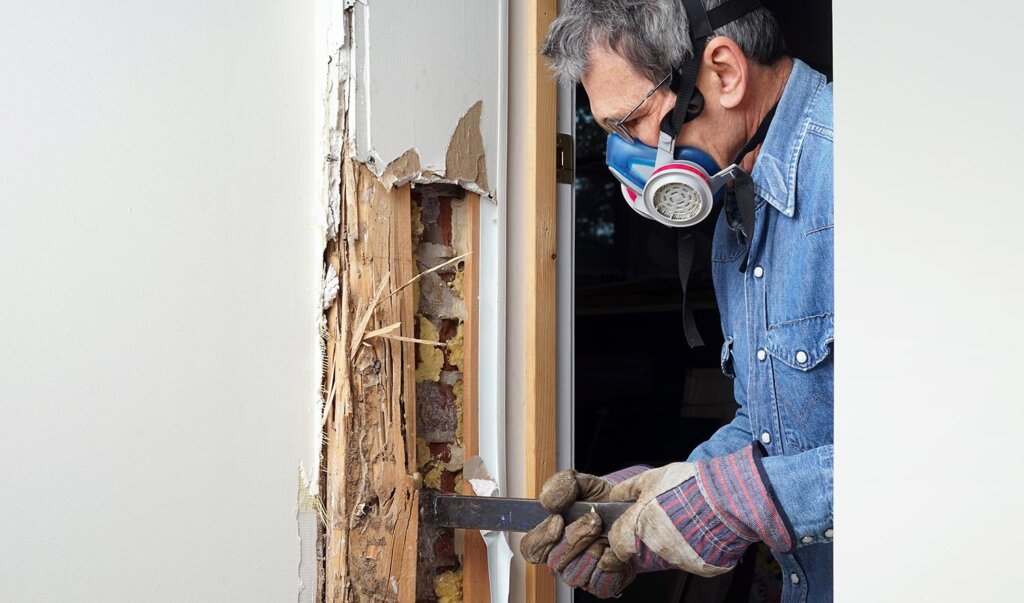
Termites feed on wood and cellulose-based materials, which means the structural components of a home are often their primary target. Unlike visible issues such as roof damage or cracked walls, termite damage is frequently hidden, making it especially concerning for buyers.
Common Signs of Termite Damage
Some termite damage is obvious, while other signs are subtle and easy to miss:
- Hollow-sounding wood when tapped
- Mud tubes along foundation walls or crawl spaces
- Buckling or sagging floors
- Doors and windows that suddenly stick
- Cracked or blistered paint that resembles water damage
- Discarded termite wings near windowsills
Even minor signs can raise serious concerns for buyers because they suggest deeper, unseen issues.
Why Buyers Are Concerned
Buyers are not just reacting to the visible damage—they are reacting to uncertainty. Their main fears include:
- Hidden structural deterioration
- Unexpected repair costs after purchase
- Long-term infestation recurrence
- Insurance limitations or exclusions
- Reduced future resale value
Because termites work silently and over time, buyers assume the worst unless proven otherwise.
How Termite Damage Affects Property Value
Termite damage affects value in layered ways:
- Direct repair costs – treatment, wood replacement, structural reinforcement
- Risk discount – buyers lower offers to protect themselves from unknowns
- Market perception – damaged homes attract fewer buyers, reducing competition
As a result, termite-damaged homes typically sell below market value—but the size of that reduction depends heavily on how the sale is handled.
Legal Disclosure Requirements in Florida
Florida law places a strong emphasis on seller disclosure. Any known condition that materially affects the value of a property must be disclosed to potential buyers, and termite damage clearly qualifies.
What Must Be Disclosed
Sellers are expected to disclose:
- Current or previous termite infestation
- Structural damage caused by termites
- Past treatments or extermination efforts
- Known areas of wood damage
- Inspection reports if they exist
Disclosure applies whether the damage is repaired, untreated, active, or historical.
Why Disclosure Protects You
Some sellers worry that disclosure will scare buyers away. In reality, the opposite is often true.
Proper disclosure:
- Builds trust with serious buyers
- Reduces renegotiation during inspection
- Prevents legal claims after closing
- Filters out unrealistic buyers early
- Speeds up decision-making
Failing to disclose termite damage can result in lawsuits, even years after the sale, making transparency the safest and fastest path.
If you want to ensure full compliance and avoid legal issues when selling a termite-damaged home, check out the official Florida Realtors guide on seller disclosure laws for detailed instructions and best practices.
Should You Repair Termite Damage Before Selling?
This decision has a major impact on speed, cost, and stress. There is no universal answer—it depends on your priorities and the condition of the property.
When Repairing Makes Sense
Repairing termite damage may be worth considering if:
- Damage is minor and localized
- Repair costs are manageable
- The home is otherwise in good condition
- You are not under time pressure
- You want to attract traditional buyers
Even then, repairs rarely recover 100% of their cost in the final sale price.
When Selling As-Is Is the Better Strategy
Selling as-is is often the smarter option when:
- Structural damage is significant
- Repair estimates are high
- You need to sell quickly
- Managing contractors is not feasible
- The home has multiple deferred maintenance issues
As-is sales shift repair responsibility to the buyer, which dramatically speeds up the process.
Repair vs As-Is Sale Comparison
| Factor | Repair Before Selling | Sell As-Is |
|---|---|---|
| Upfront cost | High | None |
| Time to prepare | Long | Immediate |
| Buyer type | Traditional buyers | Investors & cash buyers |
| Inspection risk | High | Low |
| Closing timeline | Slow | Fast |
| Stress level | High | Low |
For speed-focused sellers, as-is sales usually outperform repaired listings.
Step-by-Step Guide to Selling Fast
Step 1: Get a Professional Termite Inspection
A professional inspection clarifies:
- Whether termites are active or inactive
- The extent of structural damage
- Recommended treatments
- Repair severity
Even when selling as-is, inspection reports remove uncertainty and make buyers more comfortable moving forward quickly. For an outline of what inspectors look for and how infestations are assessed, see Termite Inspection Guide — EPA.
Step 2: Obtain Repair Estimates
Repair estimates serve as negotiation anchors. Buyers will estimate costs regardless—having real numbers prevents exaggerated deductions and strengthens your position.
Step 3: Set a Strategic Fast-Sale Price
Price is the single most powerful factor in determining how fast a property sells.
Fast-Sale Pricing Formula
Market Value
− Estimated Repair Costs
− Buyer Risk Discount
= Competitive Fast-Sale Price
A correctly priced home attracts decisive buyers and reduces time on market.
Step 4: Prepare Required Disclosures
Have all disclosures ready upfront:
- Termite history
- Inspection findings
- Known damage areas
Prepared sellers close faster.
Step 5: Market to the Right Buyers
Speed comes from targeting buyers who expect repairs:
- Cash buyers
- Real estate investors
- Renovation-focused purchasers
Traditional buyers often lack the appetite or financing flexibility for termite-damaged homes.
Cost of Termite Damage Repairs
Repair costs vary widely depending on infestation duration and structural involvement.
Typical Cost Ranges
| Type of Damage | Estimated Cost |
|---|---|
| Termite treatment | $500 – $3,000 |
| Minor wood replacement | $1,000 – $5,000 |
| Structural beam repair | $5,000 – $20,000 |
| Major reconstruction | $20,000 – $50,000+ |
Buyers factor these numbers directly into their offers.
For more detailed cost estimates and a breakdown by damage type, see Termite Damage & Repair Costs.
How Long Does It Take to Sell?
Timeline depends heavily on sale method and buyer type.
Average Selling Timelines
| Selling Method | Time to Close |
|---|---|
| Traditional listing with repairs | 60–180 days |
| Traditional as-is listing | 30–90 days |
| Direct cash sale | 7–21 days |
Reducing contingencies and financing hurdles accelerates closing dramatically.
Buyer Psychology: What Really Determines a Fast Sale
Buyers evaluate termite-damaged homes through a risk lens.
Key Buyer Questions
- Is the structure safe?
- How much will repairs really cost?
- Will infestation return?
- Can this property be insured?
- Is the price fair for the condition?
What Builds Buyer Confidence
- Documentation
- Honest disclosure
- Realistic pricing
- Clear access for inspections
- Flexible closing dates
Confidence removes hesitation—and hesitation kills speed.
Pricing Strategy for Maximum Speed
Overpricing is the number one reason termite-damaged homes sit unsold.
Three Pricing Principles
- Price for condition, not emotion
- Account for buyer risk tolerance
- Compete with investor benchmarks
Common Pricing Errors
- Pricing near retail value
- Assuming repairs add full value
- Delaying price reductions
- Ignoring comparable distressed sales
Fast sales come from alignment with market reality.
Marketing a Termite-Damaged Home Effectively
Effective marketing does not hide defects—it reframes them.
High-Impact Marketing Elements
- Clear as-is positioning
- Inspection transparency
- Investment upside messaging
- Quick-close availability
- Straightforward property description
Clarity attracts serious buyers and filters out time-wasters.
Financing Challenges for Buyers
Many traditional loans require homes to meet strict condition standards.
Why Financing Fails
- Structural concerns trigger lender conditions
- Appraisals reduce value
- Repair escrow requirements delay closing
Cash buyers bypass these obstacles entirely.
Advantages of Selling to Cash Buyers
Cash buyers streamline transactions.
Key Advantages
- No lender delays
- No repair requirements
- Fewer contingencies
- Faster closings
- Lower cancellation risk
Speed comes from simplicity.
Common Mistakes That Delay the Sale
- Hiding known damage
- Overpricing initially
- Skipping inspections
- Targeting the wrong buyer type
- Refusing to adjust expectations
Avoiding these mistakes often cuts months off selling time.
How Termite Damage Affects Insurance and Appraisal
Insurance Impact
- Limited coverage
- Required repairs
- Higher premiums
Appraisal Impact
Appraisers deduct value based on repair cost and perceived risk, reinforcing the importance of pricing accuracy.
Negotiation Strategies for a Fast Agreement
Effective Seller Approach
- Lead with documentation
- Price with room for rational negotiation
- Focus on speed, not perfection
- Stay flexible on closing date
Buyer Expectations
- Risk-adjusted pricing
- Transparency
- Clear title
- Quick responses
Aligned expectations close deals faster.
Emotional Stress and Decision Clarity
Selling a termite-damaged home often coincides with stressful life events. Clear strategy reduces emotional strain.
The fastest outcomes come from:
- Accepting property condition
- Choosing the right sale method
- Pricing realistically
- Letting go of unrealistic expectations
Clarity creates momentum.
Frequently Asked Questions
Q1. Can you legally sell a house with termite damage in Plantation, Florida?
Yes. Florida law allows selling a house with termite damage as long as all known defects are disclosed. Disclosure protects you from legal disputes and lets buyers make informed decisions.
Q2. How fast can a termite-damaged house sell in Plantation, Florida?
Sale speed depends on buyer type. Cash buyers or investors often close within 1–3 weeks, while traditional listings may take 1–3 months.
Q3. Should I repair termite damage before selling or sell as-is?
Selling as-is is usually faster and avoids upfront repair costs. Repairs may increase price but often delay the sale and rarely recover the full expense.
Q4. How does termite damage affect the home’s value?
Termite damage typically lowers value by estimated repair costs plus a buyer risk discount. The final impact depends on structural severity and market conditions.
Q5. Do I need a termite inspection before selling in Florida?
Inspections are not always legally required but highly recommended. Providing a report increases buyer confidence and reduces negotiation delays.
Q6. Who buys termite-damaged homes the fastest?
Investors and cash buyers are the most common. They expect repairs and can close quickly without lender approval, making them ideal for fast sales.
Key Takeaways for Selling Fast
- Termite damage lowers value, not sellability
- Disclosure protects sellers and speeds deals
- Pricing determines speed more than repairs
- Cash buyers close fastest
- Documentation builds trust
- Strategy beats emotion
Final Strategic Insight
Selling a home with termite damage does not have to be slow, complicated, or uncertain. The key is aligning strategy with reality: acknowledge the condition, price the property based on repair risk, and provide full disclosure from the start. When buyers clearly understand what they are purchasing, hesitation decreases, negotiations become straightforward, and timelines shorten significantly.
Speed comes from reducing unknowns. Documentation, transparency, and realistic expectations create momentum and prevent last-minute obstacles that commonly derail traditional sales. Instead of investing time and money into repairs that may not fully increase value, many sellers benefit more from choosing a streamlined path focused on efficiency and certainty.
By working with Property Solution Services LLC, homeowners can avoid repair burdens, bypass financing delays, and move forward with a clear, predictable closing process. Even properties with serious termite damage can be sold quickly when the process is structured around clarity, confidence, and decisive action.