
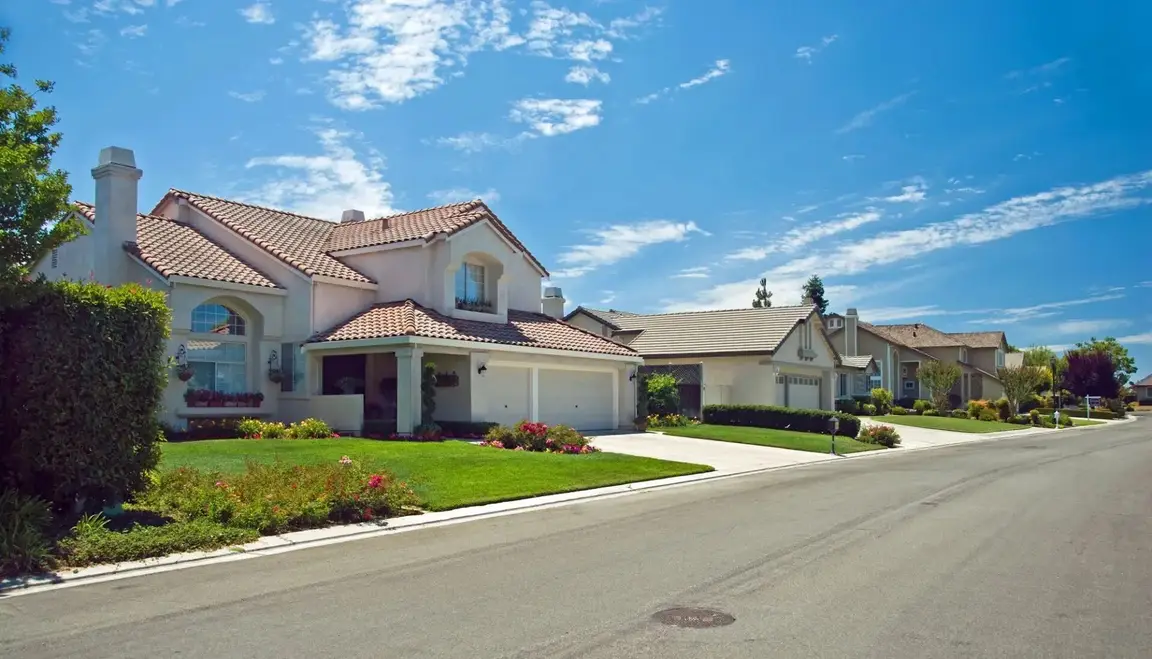
Selling an inherited house in South Florida can feel overwhelming, especially when you are also dealing with grief, family decisions, legal paperwork, property repairs, or an out-of-state estate situation. An inherited property may look simple from the outside, but the sale can involve probate, title issues, unpaid taxes, liens, mortgage balances, code violations, tenants, HOA rules, insurance concerns, and repairs.
This guide explains how to sell an inherited house in South Florida, what to check before making a decision, and how to compare your selling options. It is designed for homeowners and heirs in Miami-Dade County, Broward County, Palm Beach County, and nearby cities such as Miami, Fort Lauderdale, Hollywood, Hialeah, Pembroke Pines, Miramar, Pompano Beach, West Palm Beach, Boca Raton, Delray Beach, Boynton Beach, Coral Springs, Davie, Plantation, and Sunrise.
This article is for general education only. Probate, tax, title, and estate matters can be complex, so you should speak with a Florida probate attorney, tax professional, title company, or licensed advisor before making major decisions.
Quick Answer: How Do You Sell an Inherited House in South Florida?

To sell an inherited house in South Florida, first confirm who has legal authority to sell the property. Then review the probate status, title ownership, mortgage payoff, property taxes, liens, HOA balances, code violations, tenant status, and property condition. After that, compare your options: keep the home, rent it, list it traditionally, sell it as-is, or work with a local cash buyer.
If the home is clean, updated, and easy to show, a traditional listing may bring strong market exposure. If the house needs major repairs, has violations, is vacant, has tenants, or the heirs want a simpler process, selling the inherited house as-is may be a practical option.
For a deeper explanation of the legal side, see How to Sell a House During Probate in Florida.
Why Selling an Inherited House in South Florida Can Be Complicated
Inherited property sales are different from normal home sales because the person selling the house may not be the original owner. The property may still be in the name of the deceased owner, or there may be several heirs who all need to agree.
In Florida, probate may be required when real estate was owned only by the person who passed away. Probate is the court-supervised process used to manage estate assets, address debts, and transfer property to the correct heirs or beneficiaries. In some cases, the court, personal representative, attorney, and clerk’s office may all be involved.
South Florida also has local property challenges that can affect an inherited sale. Many inherited homes are older single-family houses, aging condos, tenant-occupied rentals, vacant houses, or homes that have not been updated in years. Common issues include old roofs, outdated electrical panels, plumbing leaks, mold, storm damage, hurricane shutters, insurance problems, HOA violations, open permits, unpaid property taxes, and municipal code fines.
These problems do not always prevent a sale, but they can affect price, buyer type, timeline, and closing requirements.
For heirs who are unsure whether they can sell before the estate process is complete, check out Can You Sell an Inherited House Before Probate in Florida?
South Florida Market Factors That Can Affect an Inherited Home Sale
South Florida is not one single housing market. Miami, Fort Lauderdale, and West Palm Beach can behave differently based on property type, neighborhood, price point, condition, and buyer demand.
Based on available 2026 market data, Miami homes have been taking longer to sell than many sellers expect, with average days on market above 100 days. Fort Lauderdale also shows longer marketing times, while West Palm Beach has shown somewhat faster movement but still depends heavily on price and condition.
For inherited homes, this matters because heirs often underestimate holding costs. A property that sits for several months may continue to create expenses such as insurance, utilities, lawn care, HOA dues, taxes, security, mortgage payments, and repairs.
In Miami-Dade County, inherited homes may include older houses in Miami, Hialeah, Miami Gardens, North Miami, Homestead, and surrounding areas. Many homes need roof, electrical, plumbing, permit, or insurance review before a traditional buyer can obtain financing.
In Broward County, cities such as Fort Lauderdale, Hollywood, Pembroke Pines, Miramar, Coral Springs, Davie, Plantation, and Sunrise often include a mix of single-family homes, condos, townhomes, and rental properties. Tenant-occupied homes, HOA issues, and code violations can slow down a sale if they are not addressed early.
In Palm Beach County, inherited properties in West Palm Beach, Boca Raton, Delray Beach, Boynton Beach, Lake Worth Beach, and nearby communities may involve aging condos, estate homes, HOA balances, special assessments, vacant homes, or repair-heavy properties.
Do You Need Probate Before Selling an Inherited House in Florida?
Whether probate is needed depends on how the property was titled and how the estate was planned. If the house was only in the deceased person’s name, probate may be necessary before the property can be sold or transferred. If the property was in a trust, jointly owned, or transferred through certain estate planning tools, the process may be different.
This is one of the first things heirs should check. A title company or probate attorney can review the deed, ownership records, will, trust documents, and estate status. Trying to sell before confirming legal authority can create delays, canceled contracts, or family disputes.
If there are multiple heirs, everyone should understand who has authority to sign, whether the personal representative has been appointed, and whether the court must approve the sale. This is especially important when one heir wants to sell, another wants to keep the home, and another lives outside Florida.
For a better understanding of how long the process may take, check out Probate House Sale Timeline in Florida: How Long Does It Take?
Step-by-Step Process to Sell an Inherited House in South Florida
Step 1: Confirm Legal Authority
Find out who has the right to sell the home. This may be a personal representative, trustee, surviving joint owner, or legal heir. Do not sign a sales contract until authority is clear.
Step 2: Review Probate Status
Check whether probate has been opened, whether it is required, and whether the court must approve the sale. Probate status can affect your timeline and closing process.
Step 3: Check Title, Liens, and Ownership Records
Inherited homes may have unpaid property taxes, mortgage balances, HOA liens, municipal liens, judgments, or open permits. These issues may need to be resolved before or during closing. If this applies to your situation, read How to Sell an Inherited House With Liens in Florida.
Step 4: Review the Mortgage
If the inherited property has a mortgage, the loan does not simply disappear. The balance usually must be paid off, refinanced, assumed if allowed, or handled through the sale proceeds. If payments are behind, heirs should act quickly to understand foreclosure risk.
For more details, see How to Sell an Inherited House With a Mortgage in Florida.
Step 5: Inspect the Property Condition
Walk through the home and identify major repair needs. In South Florida, pay special attention to the roof, HVAC, electrical panel, plumbing, windows, mold, water damage, storm protection, and structural issues.
If the home needs major work, read How to Sell an Inherited House That Needs Repairs in Florida.
Step 6: Estimate Holding Costs
Holding costs can reduce your final net proceeds. These may include mortgage payments, property taxes, utilities, insurance, HOA dues, lawn care, repairs, pest control, security, and maintenance.
Step 7: Compare Selling Options
Before choosing a path, compare listing, renting, keeping, selling as-is, and selling to a cash buyer. The best option depends on condition, timeline, family agreement, title status, and financial needs.
Step 8: Gather Important Documents
Helpful documents may include the deed, death certificate, will, trust, probate filings, mortgage statement, tax bill, HOA ledger, lease agreement, rent ledger, insurance records, code notices, repair invoices, utility bills, and permits. If you are managing the sale from another state, read How to Sell an Inherited House in Florida From Out of State.
Step 9: Choose the Right Path and Close Properly
Once you understand the legal, financial, and property issues, choose the sale method that best fits your timeline, condition, and family goals. Make sure the closing is handled through proper legal and title channels.
Options for Selling an Inherited House in South Florida
| Option | Best For | Main Benefit | Main Drawback |
|---|---|---|---|
| Traditional listing | Updated, financeable homes | More market exposure | Repairs, showings, inspections, longer timeline |
| Investor or cash buyer | As-is, vacant, distressed, or fast-sale situations | Simpler sale with fewer repair demands | Offer may be below full retail value |
| Renting the property | Heirs who want income | Monthly rental income | Repairs, tenants, management, liability |
| Keeping the home | Families who want long-term ownership | Keeps the asset in the family | Ongoing costs and possible heir disputes |
| Selling as-is | Homes needing repairs or cleanup | Avoids major repair work | Smaller buyer pool |
For homeowners who need a faster option than listing or renting, check out Sell Your House Fast in South Florida.
Can You Sell an Inherited House As-Is in South Florida?
Yes, many inherited homes in South Florida can be sold as-is. Selling as-is usually means the seller does not agree to make repairs before closing. However, as-is does not mean legal, title, disclosure, probate, or lien issues can be ignored.
Selling as-is may make sense if the home has an old roof, outdated electrical, water damage, mold concerns, code violations, tenants, unpaid HOA dues, or years of deferred maintenance. It may also be helpful when heirs live out of state and cannot manage repairs, contractors, showings, cleanouts, and inspections.
A traditional buyer may still ask for inspections, credits, price reductions, or financing-related repairs. A cash buyer may be more flexible with condition, but the offer is often based on repair costs, risk, resale value, and the convenience of a simpler closing.
For a full guide to selling inherited property without making repairs, check out How to Sell an Inherited Property As-Is in Florida.
Common Problems With Inherited Houses in South Florida
Vacant Homes
Vacant inherited homes can face leaks, vandalism, mold, pest problems, insurance concerns, and storm preparation issues. If the home is empty, heirs should check it regularly and secure it properly.
For homeowners dealing with an empty inherited property, check out How to Sell a Vacant Inherited House in South Florida.
Code Violations
Common code issues include unsafe structures, expired permits, unpermitted work, overgrown yards, junk accumulation, broken windows, illegal conversions, and exterior damage. Some violations may lead to fines or liens if not resolved.
Tenants
Selling an inherited house with tenants can be done, but leases, rent status, access, notices, security deposits, and tenant rights need to be reviewed. Some buyers prefer vacant homes, while others may accept tenant-occupied rentals.
For homeowners dealing with an occupied property, check out How to Sell a House With Tenants in South Florida.
HOA or Condo Issues
HOA dues, special assessments, violations, rental restrictions, approval requirements, and condo repair rules can affect the sale. This is especially important in South Florida condo communities.
Multiple Heirs
Family disagreements can delay a sale more than property problems. Heirs should discuss price expectations, responsibilities, repair costs, timelines, and how proceeds will be divided.
For families sharing ownership after inheritance, check out What Happens When Multiple Heirs Inherit a House in Florida?
Example Scenario: Inherited House With Repairs and Multiple Heirs
Imagine three siblings inherit an older home in Broward County. One lives in Florida, one lives in Georgia, and one lives in New York. The house has been vacant for six months. It needs a roof repair, electrical updates, landscaping, interior cleanup, and possible permit review. There is also an unpaid HOA balance.
A traditional listing might attract retail buyers, but the siblings may need to spend money on repairs, cleaning, utilities, insurance, and showings. Renting could create income, but only after repairs and property management are handled. Selling as-is to a qualified buyer may reduce the need for repairs and allow the heirs to resolve the property faster.
This is only an example, but it reflects the kind of decision many South Florida heirs face.
Mistakes to Avoid When Selling an Inherited House
Avoid trying to sell before confirming legal authority. Do not ignore probate, title issues, code violations, liens, or unpaid taxes. Do not assume repairs will always increase your net profit. Do not let a vacant house sit without insurance, maintenance, or security. Do not hide known problems from buyers.
Also, avoid choosing a buyer only because they promise speed. Ask about proof of funds, closing process, inspection requirements, title issues, and whether the buyer has experience with inherited or as-is properties in South Florida.
FAQs About Selling an Inherited House in South Florida
Q. Can I sell an inherited house in South Florida before probate is finished?
You may not be able to sell before probate is finished unless you have legal authority to sell. A Florida probate attorney or title company can review the deed, estate documents, and court status.
Q. Do I need probate to sell an inherited house in Florida?
Probate may be needed if the home was titled only in the deceased owner’s name. Some properties may avoid probate through a trust, joint ownership, or other estate planning, but legal review is important.
Q. Can I sell an inherited house as-is in South Florida?
Yes, many inherited homes in South Florida can be sold as-is. This can help if the house needs roof work, electrical updates, cleanup, hurricane repairs, or other major improvements.
Q. What is the fastest way to sell an inherited house in South Florida?
The fastest path is usually to confirm legal authority, review title issues, gather documents, and choose a buyer who can purchase the home as-is. A cash sale may be faster for homes needing repairs or cleanup.
Q. Can I sell an inherited house with multiple heirs?
Yes, but all legal owners or the authorized estate representative usually need to agree and sign the required documents. If heirs disagree, a probate attorney may be needed.
Q. Can I sell an inherited house with liens, taxes, or code violations in South Florida?
Yes, but liens, unpaid taxes, HOA balances, or code violations may need to be paid, negotiated, or resolved at closing. A title search can help identify these issues early.
Conclusion: Selling an Inherited House in South Florida Starts With the Right Information
Selling an inherited house in South Florida can feel complicated, but the process becomes easier when you understand your options early. Before making a decision, review the property’s probate status, title, mortgage balance, taxes, liens, HOA issues, code violations, tenant situation, repair needs, and ongoing holding costs.
A traditional sale may be a good fit if the home is updated, financeable, and ready for showings. Renting may work if the heirs want long-term income and are prepared to manage repairs, tenants, insurance, and maintenance. Keeping the home may make sense for families with shared goals. However, if the property is vacant, distressed, tenant-occupied, behind on payments, tied up with repairs, or difficult for multiple heirs to manage, selling as-is may be the simpler path.
If you want to sell as-is without repairs, Property Solution Services LLC can review your South Florida property and provide a fair local cash offer. This gives you a clear option to compare before deciding what is best for your inherited home, your timeline, and your family’s situation.