

Selling a house in Florida, especially in areas like Davie, can be a daunting task, particularly if your home has mold issues. Mold is a common concern in Florida’s humid climate, and it can have a significant impact on the sale of your property. However, selling a house with mold is still possible, and there are several options available to homeowners. This guide will walk you through what you need to know when selling a house with mold in Davie, FL, including the process, legalities, and how to handle mold issues to ensure a successful sale.
Can You Sell a House with Mold in Davie, FL?
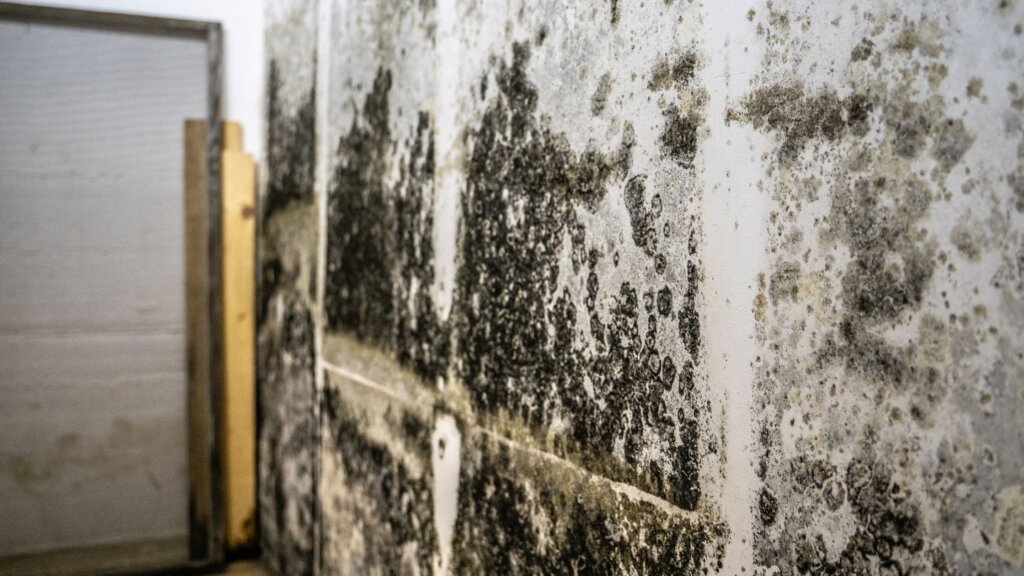
Mold is a common problem in Florida due to the state’s hot and humid climate. As a homeowner in Davie, FL, you may wonder if mold issues will prevent you from selling your home. The short answer is: yes, you can sell a house with mold. However, there are several factors to consider that can affect how the sale process unfolds.
Mold doesn’t automatically render a home unsellable, but it can make the process more complicated. Potential buyers will likely be concerned about the mold’s extent, possible health hazards, and the potential costs of remediation. Understanding how mold impacts a sale and what steps you should take will help you sell your property more smoothly.
Types of Mold Commonly Found in Homes
Before diving into the selling process, it’s essential to understand the different types of mold commonly found in homes and how they can impact a sale.
Visible Mold vs. Hidden Mold
- Visible Mold: This type of mold is easy to spot on walls, ceilings, floors, or other surfaces. It may appear in areas where there’s water damage, such as bathrooms, kitchens, or basements. Visible mold is usually the most concerning for buyers as it is a clear sign of an underlying problem.
- Hidden Mold: Mold can also grow behind walls, under flooring, or in areas that aren’t easily visible to the naked eye. Hidden mold can be much more dangerous as it can spread quickly and may not be discovered until after a buyer conducts a mold inspection.
Health Risks and Safety Concerns
Mold is a health hazard, especially in homes where the mold problem has been left untreated for a long period. Prolonged exposure to mold can cause a variety of health issues, including respiratory problems, allergies, and skin irritation. If mold is discovered in your home, it’s important to disclose this to potential buyers, as health concerns could be a significant deterrent for many people.
What to Do Before Selling a House with Mold
If you’re ready to sell a house with mold, you’ll need to take specific steps before listing it. These steps will ensure the sale process goes smoothly and increase your chances of getting a fair offer for your property.
Step 1: Inspection and Mold Testing
Before listing your home, it’s highly recommended that you hire a professional mold inspector to assess the extent of the mold problem. A mold inspection typically involves:
- Visual inspection of all areas prone to mold growth, including basements, crawlspaces, bathrooms, and kitchens.
- Air quality testing to determine if mold spores are present in the air.
- Moisture readings to assess areas that may be prone to mold growth.
A professional mold inspector can provide you with a detailed report of the mold’s location, severity, and potential impact on the property. This information will be essential when disclosing the mold issue to buyers.
Step 2: Mold Remediation (Should You Remove It?)
Once the mold inspection is complete, you’ll need to decide whether to remediate the mold (remove it) or sell the house as-is. There are pros and cons to both options.
- Mold Remediation: Hiring a professional mold remediation company can be costly, but it may be worth it if the mold problem is severe. Removing the mold and addressing the root cause (such as fixing leaks or improving ventilation) can make the home more appealing to buyers and help you sell at a higher price.
- Selling As-Is: If you’re looking to sell quickly and don’t want to invest in remediation, selling the house as-is is an option. However, selling as-is can result in a lower sale price and may deter some buyers. Additionally, you’ll need to disclose the mold issue to potential buyers.
Disclosing Mold Issues to Potential Buyers
In Florida, sellers are legally required to disclose any known mold issues to potential buyers. Failing to do so can result in legal consequences, including the possibility of being sued for non-disclosure.
Florida’s Disclosure Laws for Sellers
Under Florida law, you must disclose any material defects that could affect the value of the property, including mold problems. If you have documentation of a mold inspection or remediation, this should also be provided to the buyer. For a clear overview of what home sellers must disclose in Florida and how the laws apply, see this guide on Florida home seller disclosures.
Table: Key Disclosure Requirements in Florida
| Disclosure Requirement | Description |
|---|---|
| Known Mold Issues | Sellers must disclose any known mold problems. |
| Remediation Status | If mold was remediated, this must be disclosed. |
| Health Risks | Sellers must inform buyers about potential health risks. |
By being transparent about the mold, you can build trust with potential buyers and avoid legal issues down the line.
Selling a House As-Is with Mold in Davie
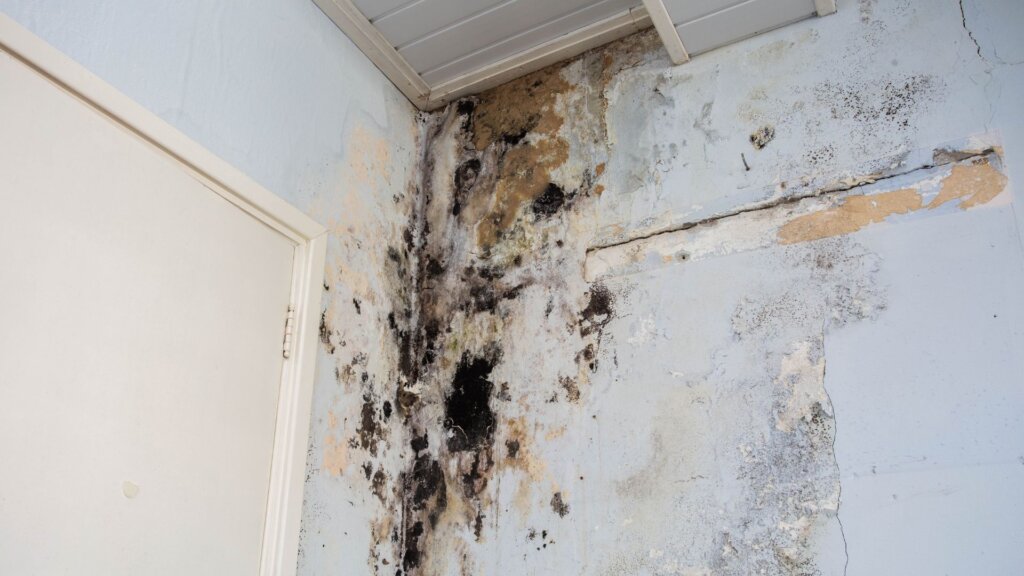
If you choose to sell your house as-is, it’s essential to understand how this decision will affect the sale.
How Selling As-Is Affects the Sale Price
Selling a house with mold as-is can result in a lower sale price. Buyers will likely factor the cost of mold remediation into their offer, which means they may offer less for the property. However, some buyers may be willing to purchase the property at a lower price, particularly investors or those looking for a fixer-upper.
Advantages of Selling As-Is
- No Need to Make Expensive Repairs: If you sell as-is, you won’t need to spend money on mold removal or repairs.
- Quick Sale Process: Selling as-is can expedite the process, especially if you’re in a hurry to move or avoid foreclosure.
Disadvantages of Selling As-Is
- Lower Offers: As mentioned, the mold issue will likely lead to lower offers, as buyers will factor in the cost of remediation.
- Limited Buyer Pool: Some buyers, particularly those looking for move-in ready homes, may be deterred by the mold issue.
For a deeper explanation of selling a house as‑is and what it means for sellers, you can reference this guide on selling a house as‑is, which outlines the expectations and common outcomes when listing properties that need repairs.
Options for Selling a Mold-Affected Home
There are two primary routes for selling a house with mold: traditional sale or selling to a cash home buyer.
Traditional Sale vs. Cash Home Buyers
- Traditional Sale: In a traditional sale, you list your home with a real estate agent, and buyers will conduct inspections. While you may receive a higher offer in a traditional sale, mold issues can cause delays in the process and lower the final sale price.
- Cash Home Buyers: Cash home buyers are investors who specialize in purchasing homes in any condition, including those with mold. Selling to a cash buyer can be a faster process, as there are fewer contingencies, and you won’t need to make repairs. However, cash buyers often offer lower prices to account for the cost of mold remediation and other repairs.
Table: Selling Your Home With Mold – Traditional vs. Cash Buyer
| Option | Advantages | Disadvantages |
|---|---|---|
| Traditional Sale | Potential for higher sale price. | Mold may deter some buyers, leading to a longer sale process. |
| Cash Home Buyers | Faster sale, no repairs needed, quick closing. | Offers may be lower due to mold condition. |
Financial Considerations When Selling a House with Mold
The presence of mold can significantly affect the financial aspects of selling your home. Understanding the costs and potential price reductions is crucial.
How Mold Affects Home Value
Mold can lower the value of your property, especially if it’s extensive or hidden. Buyers will factor the cost of mold remediation into their offer, which can reduce the sale price by thousands of dollars, depending on the severity of the mold problem.
Cost of Mold Remediation vs. Selling As-Is
While mold remediation can be expensive (sometimes ranging from a few hundred to several thousand dollars), selling the house as-is may result in an even lower sale price. If the mold problem is extensive, it may be worth considering remediation to avoid a significant price reduction. According to Your Mold Solutions, mold remediation can increase a home’s resale value by addressing potential health concerns and making the property more appealing to a broader pool of buyers. This could ultimately lead to a higher sale price, particularly if the mold was a significant deterrent for buyers during the initial stages of listing.
How to Determine If You Should Sell As-Is or Make Repairs
Deciding whether to make repairs or sell as-is depends on the severity of the mold problem and your financial goals.
Checklist: Assessing Mold Damage Before Selling
| Factor | Considerations |
|---|---|
| Location of Mold | Mold in high-traffic areas may reduce appeal. |
| Severity of Mold Growth | Large infestations may require remediation. |
| Cost of Remediation | Is it worth the investment to repair? |
If the mold problem is minor, it might be worth remediating. However, if the mold is widespread and the costs of remediation outweigh the benefits, selling as-is may be the best option.
Closing a Sale with Mold Issues in Davie
Once you’ve found a buyer, closing the sale with mold issues requires careful consideration.
Working with Buyers After Mold Disclosure
After disclosing the mold issue, buyers may request additional information or ask for a reduction in the sale price. It’s important to be flexible and open to negotiations to close the deal successfully.
Quick Closing with Mold Disclosure
If you’re selling the house as-is and have already disclosed the mold problem, you may be able to expedite the closing process. Cash buyers, in particular, can help speed up the process since they typically don’t have to wait for financing approval.
Why Some Buyers Are More Likely to Purchase a House with Mold
While mold issues may deter some buyers, there are others, particularly real estate investors, who specialize in purchasing homes with mold.
The Role of Investors and Cash Buyers
Investors and cash buyers are often more willing to purchase homes with mold because they have the resources to address the issue and are looking for properties at a discounted price. These buyers may be able to offer a quicker sale and take the mold problem off your hands without the need for extensive repairs.
Frequently Asked Questions (FAQs)
Q. Can You Sell a House with Mold in Davie, FL?
Answer:
Yes, you can sell a house with mold in Davie, FL. While mold may lower the property value or require remediation, it doesn’t make your home unsellable. However, it’s important to disclose the issue to potential buyers.
Q. Do You Have to Remove Mold Before Selling Your House?
Answer:
You don’t have to remove mold before selling, but remediation can make your house more appealing to buyers and help you secure a higher offer. You can also choose to sell as-is and disclose the mold issue.
Q. Is It Necessary to Disclose Mold When Selling a House in Florida?
Answer:
Yes, Florida law requires homeowners to disclose any known mold issues during the sale process. Failing to disclose mold could result in legal consequences or claims from the buyer after the sale.
Q. What Happens if You Don’t Disclose Mold in a Home Sale?
Answer:
If you don’t disclose mold, buyers may sue for non-disclosure after the sale. Florida’s real estate laws require sellers to be transparent about known defects that could affect the value of the property, including mold.
Q. How Much Does Mold Remediation Cost?
Answer:
Mold remediation costs can range from a few hundred to several thousand dollars depending on the severity and location of the mold. The cost of remediation may influence whether it’s worth making repairs before selling.
Q. Can Cash Home Buyers Purchase a House with Mold?
Answer:
Yes, cash home buyers often specialize in purchasing homes with mold and other issues. They typically buy properties as-is, offering a quick sale without the need for repairs, although the offer may be lower due to the cost of mold remediation.
Conclusion
Selling a house with mold in Davie, FL is certainly challenging, but it’s not impossible. By understanding the steps involved, including inspections, disclosures, and whether to make repairs or sell as-is, you can navigate the process more effectively. Whether you choose to remediate the mold or sell to a cash buyer, there are options available to help you close the deal and move on with your next chapter.
If you’re looking to sell your house quickly and avoid the hassle of repairs, Property Solution Services LLC is here to help. Our team specializes in purchasing homes in any condition, including those with mold. We offer fast, fair cash offers and a straightforward process, so you can sell your property without the stress. Contact Property Solution Services LLC today to explore your options and get a cash offer for your home.