

Selling a home is a major decision, and it comes with challenges and responsibilities. When a property has a history of termite infestation, these challenges can become even more complex. In Tamarac, FL, where termites are a common issue due to the humid climate, potential buyers are often cautious and scrutinize homes carefully.
A home with termite history does not have to be unsellable. With proper planning, transparency, and preparation, sellers can maximize their home’s value, attract serious buyers, and complete sales efficiently. Understanding termite types, legal disclosure requirements, repair options, and pricing strategies is crucial. This article provides a comprehensive guide to navigating the sale of a house with termite history in Tamarac, FL.
Understanding Termite History
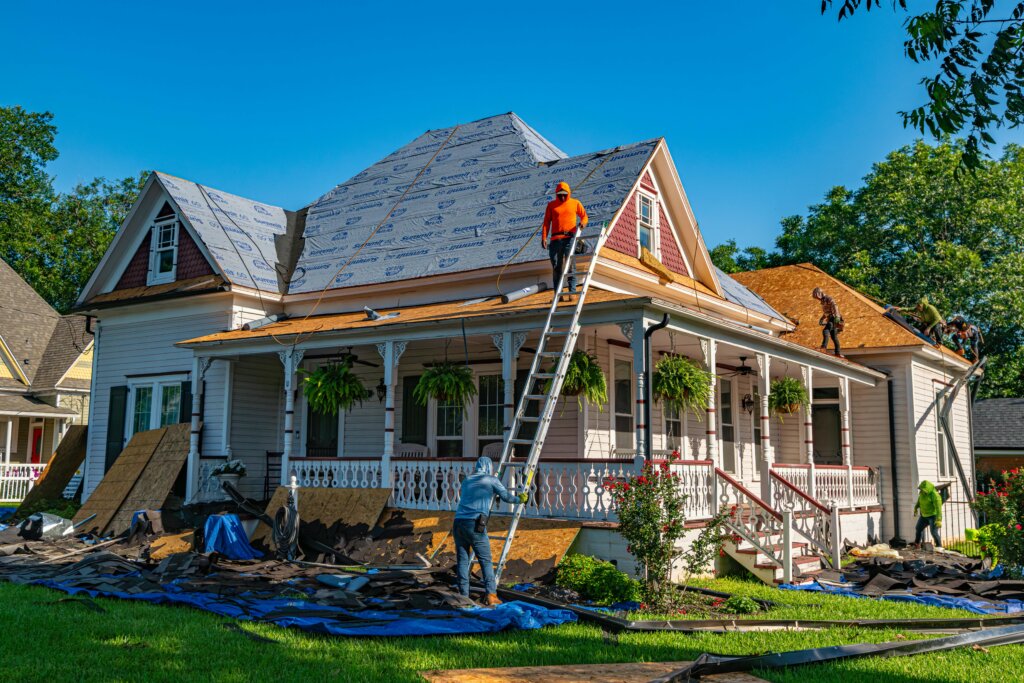
What Does “Termite History” Mean?
Termite history refers to any previous termite activity and the measures taken to address it. Many homeowners are unsure about what constitutes a termite history, but for selling purposes, it is essential to consider:
- Past infestations: Any confirmed termite presence in the home, whether detected by the homeowner or a licensed inspector.
- Treatment history: Chemical treatments, baiting systems, or fumigation completed to eliminate termites.
- Structural repairs: Replacement of damaged wood, beams, or flooring as a result of termite damage.
Being aware of your home’s termite history helps prepare full disclosures and ensures buyers are informed. Proper documentation can prevent disputes and even speed up the sale process, as buyers often feel reassured when presented with records.
Types of Termites Common in Tamarac, FL
Florida’s warm, humid environment makes it a hotspot for termites. Tamarac homeowners should be particularly aware of the most common termite species:
| Termite Type | Description | Risk Level | Treatment Approach |
|---|---|---|---|
| Subterranean | Lives underground, builds mud tubes to access wood | High | Baiting systems, liquid termiticides, and soil treatment |
| Drywood | Infests wood directly, often hidden in furniture or structural beams | Medium | Fumigation, localized chemical treatments, or wood replacement |
| Formosan | Highly aggressive, invasive species causing rapid wood damage | Very High | Professional eradication, often a combination of chemical treatment and structural repair |
Understanding the termite type helps buyers and inspectors assess the current risk level, future prevention measures, and long-term property safety.
Signs That Termites May Have Been Present
Potential buyers and inspectors often look for the following signs:
- Mud tubes: Small, soil-like tunnels running along walls, foundations, or beams.
- Hollow-sounding wood: Wood may sound hollow when tapped, a classic sign of internal damage.
- Sagging or damaged wood: Visible sagging in floors, beams, or door frames.
- Frass (termite droppings): Small piles of wood-colored droppings near affected areas.
Addressing these signs with professional reports and repairs increases buyer confidence and can significantly reduce negotiations over price reductions. For a detailed guide on identifying termites and their damage, visit Terminix Termite Guide.
Assessing the Impact on Your Home
Structural Concerns
Termites feed on cellulose, which makes up the core of wood used in homes. Over time, untreated infestations can compromise:
- Load-bearing walls: Weakening of critical structural walls can lead to safety concerns.
- Flooring and joists: Wood floors may sag or creak, indicating underlying damage.
- Roof and attic beams: Damage in hidden areas such as attics or roof structures can go unnoticed without inspection.
Even minor termite activity should be documented and repaired, as buyers and inspectors expect homes to be safe and structurally sound.
Financial Implications
The financial impact of termite history is often the most significant concern for sellers. Consider the following:
- Repair costs: Minor cosmetic repairs may cost a few hundred dollars, while structural repairs can reach thousands. For detailed estimates and guidance on termite damage repair costs, visit Angi – Termite Damage Repair Costs.
- Home value: Homes with a documented termite history may be appraised lower unless repairs and treatment records are available.
- Insurance limitations: Many Florida insurance providers do not cover termite damage, making disclosure mandatory to prevent liability.
Understanding the financial implications allows sellers to plan repairs strategically and price the home realistically.
Legal and Disclosure Requirements in Florida
Florida Statutes on Termite Disclosure
Florida law mandates sellers to disclose any known termite damage or treatments. This typically occurs via the Seller’s Property Disclosure Form, which includes questions such as:
- Has the home ever been inspected for termites?
- Were there any past infestations?
- What treatments or repairs were completed?
Failure to disclose termite history can result in legal consequences, including lawsuits, rescinded sales, or financial penalties.
Importance of Transparency for Buyers
Transparency benefits both parties:
- Builds trust: Buyers are more likely to proceed with confidence if full information is provided.
- Reduces disputes: Buyers are less likely to back out or demand renegotiations due to undisclosed termite issues.
- Speeds up closing: Providing inspection reports and treatment documentation helps transactions proceed smoothly.
A transparent approach positions the property as well-maintained, even if there’s a history of termites.
Preparing Your Home for Sale
Inspection and Documentation
Before listing, consider taking these steps:
- Hire a licensed termite inspector to perform a thorough evaluation.
- Collect all records of treatments and repairs, including invoices, warranties, and chemical applications.
- Provide potential buyers with copies of reports and documentation to reinforce credibility.
A proactive inspection reduces the likelihood of negotiation disputes and demonstrates responsibility.
Repair or Treatment Options
Depending on the severity of termite damage, options include:
- Spot Treatments: Targeted treatments for small or isolated infestations; cost-effective.
- Structural Repairs: Replacement of damaged beams, flooring, or support structures; increases market value.
- Preventive Measures: Installation of termite shields, bait stations, or chemical barriers to prevent future infestations.
Cost vs Value Consideration: Minor repairs with documentation may be enough for some buyers, while major damage might require structural repair to justify asking price.
Enhancing Buyer Confidence
Sellers can enhance buyer trust by:
- Providing inspection reports from licensed pest control companies.
- Offering warranties or guarantees on termite treatments.
- Being fully transparent about past infestations and repairs.
This approach often results in faster sales and reduces the likelihood of price renegotiation.
Pricing Strategy for Homes with Termite History
Determining Fair Market Value
Pricing must consider several factors:
- Comparable sales: Review recent Tamarac home sales without termite issues.
- Repair and treatment costs: Deduct these costs if you sell “as-is” or include them if repairs are completed.
- Buyer perception: Even minor termite history may prompt buyers to offer less; realistic pricing mitigates prolonged listing times.
Negotiation Tips
- Disclose termite history early in the process.
- Offer credits or concessions for repairs rather than performing costly repairs upfront.
- Set realistic asking prices to attract serious buyers.
| Strategy | Pros | Cons |
|---|---|---|
| Full repair before sale | Higher sale price, builds confidence | High upfront cost |
| Sell “as-is” with disclosure | Faster sale, minimal upfront costs | Lower buyer offers likely |
| Partial repairs + credit | Balanced, flexible | Negotiation required |
Marketing Your Home Effectively
Listing Highlights
When marketing a home with termite history:
- Highlight transparency and treatment documentation.
- Emphasize property strengths: location, lot size, upgrades, or renovated areas.
- Include recent termite inspection reports in listings or showings.
Targeting the Right Buyers
Certain buyer types are more amenable to termite-history homes:
- Investors: Often purchase “fixer-uppers” or rental properties.
- Cash buyers: Prefer quick, as-is transactions.
- Real estate agents familiar with “as-is” homes: Can help market to appropriate buyers.
Focusing marketing on these audiences reduces time on the market and improves sale outcomes.
Working with Real Estate Professionals
Professional assistance is invaluable:
- Experienced Agents: Know how to price and market homes with termite history.
- Legal Advisors: Ensure compliance with Florida disclosure laws.
- Pest Control Specialists: Provide inspections, reports, and guarantees for buyers.
These professionals make the selling process smoother, faster, and legally secure.
Common FAQs About Selling a Home with Termite History
Q1: Can I sell a house in Tamarac, FL that has a history of termite damage?
A1: Yes, you can. Florida law allows selling homes with past termite issues, but you must disclose any known infestations and treatments. Providing a current termite inspection report and documentation of repairs can reassure buyers and speed up the sale process.
Q2: How does termite damage affect my home’s selling price in Tamarac, FL?
A2: The impact varies depending on the severity of damage. Minor cosmetic damage might slightly reduce offers, while structural damage can lower market value significantly. Completing repairs or offering credits for treatment can help maintain fair pricing.
Q3: Should I repair termite damage before listing my home for sale?
A3: It depends on the extent of the damage. Minor damage may not require full repairs if disclosed properly, but structural damage should be addressed to maximize buyer confidence and sale price. Professional inspections and documented repairs often result in faster sales.
Q4: Do I need a termite inspection before selling in Florida?
A4: While not legally required for all sales, a termite inspection is highly recommended. It provides proof of treatment and home condition, reduces buyer concerns, and can prevent negotiation disputes.
Q5: Can buyers negotiate based on a home’s termite history?
A5: Yes. Buyers may request credits, repairs, or price reductions after learning about termite history. Being transparent and prepared with inspection reports allows for smoother negotiations and fair pricing.
Q6: How can I sell my termite-affected home quickly in Tamarac, FL?
A6: To sell fast, provide a recent inspection report, disclose all past treatments, and consider offering repair warranties or credits. Targeting cash buyers or investors familiar with as-is sales can also reduce time on the market.
Q7: Are there specific termite types in Tamarac, FL that buyers should know about?
A7: Yes. Common types include subterranean, drywood, and Formosan termites. Each has different treatment methods and risk levels. Sharing this information with buyers shows transparency and builds trust.
Additional Tips for Sellers in Tamarac, FL
- Schedule termite inspections early to identify and address issues before listing.
- Keep comprehensive records of treatments, repairs, and inspections.
- Address minor cosmetic issues that may impact buyer perception.
- Highlight other property strengths, such as location, upgrades, or outdoor amenities.
- Target cash buyers or investors who are comfortable with as-is sales.
Conclusion
Selling a house with termite history in Tamarac, FL can feel challenging, but with proper planning and professional support, it is entirely achievable. Property Solution Services LLC specializes in guiding homeowners through every step of this process, from assessing past termite damage and obtaining thorough inspections to documenting treatments and completing necessary repairs. By working with Property Solution Services LLC, sellers can ensure full transparency and compliance with Florida disclosure laws, which helps build buyer confidence and reduces the risk of disputes.
Whether your home has minor cosmetic damage or more significant structural issues, Property Solution Services LLC provides expert advice on repair strategies, pricing, and marketing to attract serious buyers. Homes with termite history can sell quickly and for fair value when sellers are proactive and prepared. Offering inspection reports, warranties, and clear documentation not only reassures buyers but also maximizes your home’s market potential. Partnering with Property Solution Services LLC ensures a smooth, efficient, and legally compliant sale, giving Tamarac homeowners peace of mind while achieving the best possible outcome.