

Selling a property in Miramar, Florida requires careful preparation, strategic pricing, and full understanding of local real estate conditions. When termite or pest damage is involved, the process becomes significantly more complex. South Florida’s tropical climate makes termite infestations common, especially in Broward County communities like Miramar. High humidity, frequent rainfall, and warm temperatures year-round create the ideal environment for wood-destroying organisms to thrive.
Homeowners facing termite or pest damage often feel uncertain about their next steps. Concerns typically include:
- Whether the property can legally be sold
- How much the damage will reduce market value
- Whether repairs are required before listing
- How inspections affect negotiations
- What financing obstacles buyers may encounter
- How disclosure laws apply
- Whether selling as-is is a viable option
- What timelines to expect
The truth is clear: You can legally sell a house with termite or pest damage in Miramar, FL. However, understanding structural risks, legal responsibilities, buyer psychology, repair economics, and financing limitations is essential to protecting your financial outcome.
This guide provides a complete and detailed analysis of every factor involved in selling a termite- or pest-damaged home in Miramar.
Understanding Termite and Pest Issues in Miramar, Florida
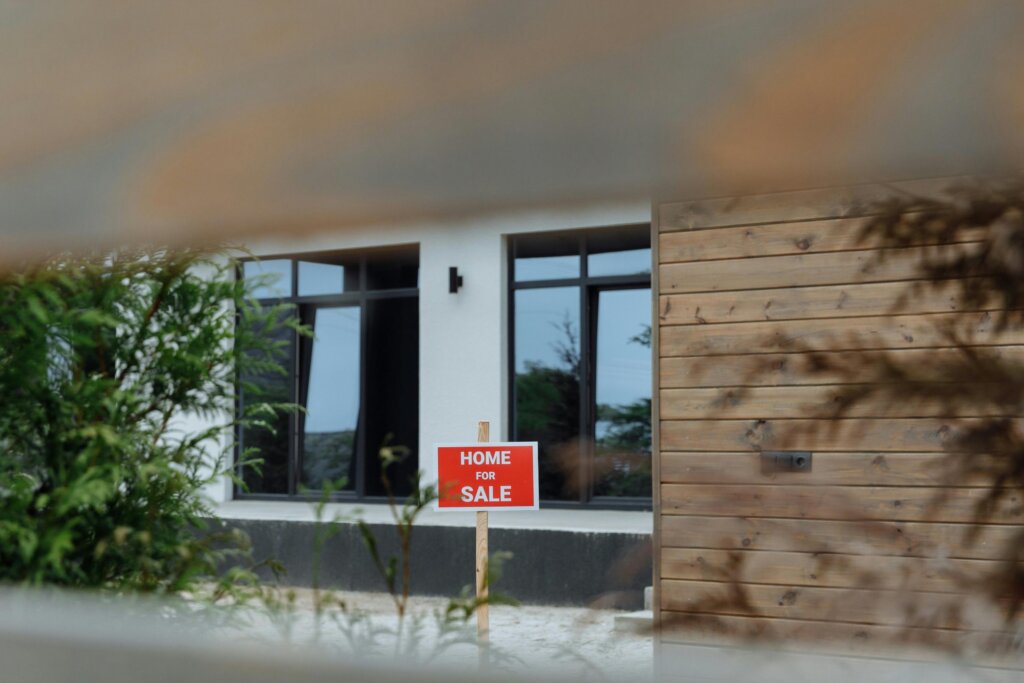
Miramar sits in Broward County, an area known for year-round warmth, heavy rainfall, and high humidity. These environmental conditions create an ideal breeding ground for termites and other pests.
Why Miramar Homes Are Vulnerable
| Environmental Condition | Effect on Properties |
|---|---|
| High Humidity | Attracts subterranean termites |
| Frequent Rainstorms | Increases soil moisture near foundations |
| Warm Climate Year-Round | Enables continuous pest activity |
| Wood-Framed Construction | Provides accessible food source for termites |
| Poor Ventilation in Older Homes | Encourages moisture buildup |
Subterranean termites are especially common in South Florida. They build mud tubes and enter homes through foundation cracks, plumbing gaps, or wood-to-soil contact.
Drywood termites, another common species, infest exposed wood structures such as roof framing, window trim, and attic beams.
Types of Pest Damage That Affect Home Sales
Not all infestations carry the same level of risk or financial impact. Understanding the difference is critical when preparing to sell.
1. Subterranean Termite Damage
- Foundation entry through soil
- Mud tubes along walls or slabs
- Severe structural weakening if untreated
- Damage to support beams and floor joists
2. Drywood Termite Damage
- No soil contact required
- Hollowed wooden trim or framing
- Discarded wings near windows
- Damage often localized but can expand over time
3. Rodent Damage
- Chewed electrical wiring
- Damaged insulation
- Droppings and contamination in attic or crawlspace
- Fire hazard risk due to exposed wiring
4. Wood-Boring Beetles
- Small round holes in wood
- Surface damage to hardwood floors
- Gradual weakening of structural lumber
5. Moisture-Driven Pest Activity
- Mold growth
- Rotting wood
- Increased susceptibility to termites
Each type affects buyer perception differently, but all must be evaluated carefully before listing the home. To learn more about pest control and prevention, check out PestWorld’s comprehensive guide on pest control tips.
Signs Your Miramar Home May Have Termite or Pest Damage
Homeowners often discover infestations during inspections, but warning signs may appear earlier.
Structural Indicators
- Hollow-sounding wood
- Sagging floors
- Buckling baseboards
- Cracks in drywall
- Doors or windows that stick
Visual Evidence
- Mud tubes along exterior walls
- Small piles of termite droppings (frass)
- Discarded insect wings near windows
- Pinholes in wooden surfaces
Odor and Environmental Signs
- Musty smells
- Excess moisture in crawl spaces
- Visible wood rot
If these signs are present, a professional inspection is strongly recommended before marketing the property.
Florida Disclosure Laws for Sellers
Florida law requires sellers to disclose known material defects that affect property value. A material defect is any condition that:
- Substantially affects property value
- Is not readily observable
- Is known to the seller
Termite damage qualifies as a material defect.
Required Disclosures Include:
- Active infestations
- Past termite treatments
- Structural damage
- Repair history
- Existing pest control agreements
Failure to disclose may result in:
- Civil lawsuits
- Repair cost reimbursement
- Contract rescission
- Legal fees
For more detailed information on Florida’s disclosure laws, check out Nolo’s Guide to Florida Home Seller Disclosure Requirements.
Structural Risk Assessment
Termite damage ranges from cosmetic to structurally dangerous.
Damage Severity Levels
| Damage Level | Description | Risk |
|---|---|---|
| Minor | Cosmetic wood damage | Low |
| Moderate | Partial weakening of framing | Medium |
| Severe | Compromised load-bearing beams | High |
In severe cases, engineering evaluations may be necessary to assess safety.
Load-bearing beam damage significantly affects property value and buyer confidence.
How Termite Damage Impacts Home Value in Miramar
The financial impact varies depending on:
- Infestation status (active or treated)
- Structural integrity
- Market conditions
- Buyer financing type
Estimated Price Impact
| Severity | Estimated Value Reduction |
|---|---|
| Minor Treated Damage | 5% – 10% |
| Moderate Structural Damage | 10% – 20% |
| Severe Untreated Damage | 20% – 40% |
Homes requiring structural repairs often face limited buyer pools.
Cost of Termite Treatment and Repairs in Miramar
Repair expenses depend on the extent of damage and contractor pricing.
Average Costs
| Repair Type | Estimated Cost Range |
|---|---|
| Termite Inspection | $100 – $300 |
| Treatment (Liquid Barrier or Bait System) | $800 – $2,500 |
| Minor Wood Replacement | $2,000 – $5,000 |
| Structural Beam Replacement | $5,000 – $15,000+ |
| Major Framing Restoration | $20,000+ |
Hidden damage can increase final repair costs beyond initial estimates.
Repairing Before Selling vs Selling As-Is
Repairing Before Listing
Advantages:
- Broader buyer pool
- Easier financing approval
- Higher potential listing price
Disadvantages:
- High upfront costs
- Contractor scheduling delays
- No guarantee of full return on investment
Selling As-Is
Advantages:
- No repair expenses
- Faster transaction
- Reduced negotiation risk
Disadvantages:
- Lower offer price
- Smaller pool of retail buyers
Decision factors include urgency, financial flexibility, and risk tolerance.
Inspection Process in Miramar Real Estate Transactions
Buyers typically order:
- General home inspection
- Wood-destroying organism (WDO) inspection
- Appraisal (if financed)
Inspectors evaluate:
- Evidence of active infestation
- Structural weakening
- Moisture damage
- Past treatment history
Inspection findings often determine renegotiation terms.
Financing Challenges with Pest Damage
Certain loan programs have stricter requirements.
FHA Loans
- Often require pest inspection clearance
- May demand treatment before approval
VA Loans
- Mandatory termite inspection in most Florida counties
- Clearance required before closing
Conventional Loans
- Requirements vary by lender
- Severe structural damage may disqualify approval
Cash buyers typically face fewer financing restrictions.
Insurance and Termite Damage
Most homeowner insurance policies do not cover termite damage because it is considered preventable maintenance.
Coverage may apply if pest damage led to a covered secondary event, such as fire from chewed wiring.
Policy review is essential.
Timeline Expectations
| Selling Method | Typical Timeline |
|---|---|
| Fully Repaired MLS Listing | 60 – 120 Days |
| Unrepaired MLS Listing | 90+ Days |
| As-Is Sale | Often Faster |
Inspection contingencies are the most common source of delays.
Selling an Inherited Property with Termite Damage
Inherited homes frequently show deferred maintenance.
Common issues:
- Long-term moisture exposure
- Undetected infestations
- Aging structural components
Heirs may choose as-is sales to avoid large repair investments.
Avoiding Foreclosure While Managing Pest Damage
If repair costs strain finances, delaying action may increase foreclosure risk.
Selling before foreclosure:
- Protects credit score
- Prevents legal proceedings
- Reduces accumulated debt
Risk of Litigation After Sale
Failure to disclose termite damage can result in:
- Buyer lawsuits
- Court-ordered repair reimbursement
- Settlement costs
Documented disclosure protects sellers.
Preparing Documentation for Buyers
Helpful documents include:
- Pest inspection reports
- Treatment receipts
- Repair estimates
- Structural engineer evaluations (if applicable)
Transparency reduces renegotiation surprises.
Buyer Psychology in Termite-Damaged Sales
Buyers typically worry about:
- Structural safety
- Recurring infestations
- Hidden damage
- Insurance implications
Clear documentation and realistic pricing improve buyer confidence.
Market Conditions in Miramar
Local demand, inventory levels, and interest rates influence how quickly pest-damaged homes sell.
In competitive markets, even damaged homes may attract offers if priced correctly.
In slower markets, severe structural issues significantly reduce demand.
Frequently Asked Questions
Q. Can I sell my house in Miramar, FL with active termites?
Yes, you can legally sell a home in Miramar with active termites, but Florida law requires full disclosure of known infestations. Active termite issues may reduce your sale price or affect buyer financing options.
Q. Do I have to repair termite damage before selling in Florida?
No, you are not legally required to repair termite damage before selling. However, unrepaired structural damage may lower your home’s value and make it harder for buyers using FHA or VA loans to qualify.
Q. How much does termite damage reduce a home’s value in Miramar?
Termite damage can reduce a home’s value by approximately 5% to 40%, depending on severity. Minor treated damage has less impact, while structural damage significantly affects pricing and buyer demand.
Q. Will FHA or VA loans approve a house with termite damage in Miramar?
FHA and VA loans typically require a termite inspection in Florida. If active infestation or structural damage is found, repairs or treatment may be required before loan approval.
Q. Is termite damage common in Miramar, FL homes?
Yes, termite damage is common in Miramar due to high humidity, warm temperatures, and frequent rainfall. Subterranean and drywood termites are especially active in South Florida properties.
Q. Is it better to repair termite damage or sell the house as-is?
The best option depends on your budget and timeline. Repairs may increase your sale price, while selling as-is avoids upfront costs and can speed up the transaction.
Final Considerations
Selling a house with termite or pest damage in Miramar, FL requires careful planning, full transparency, and a clear understanding of your options. From structural evaluations and disclosure requirements to repair decisions and financing challenges, each step plays an important role in protecting your financial outcome.
Termite damage does not make your property unsellable. What matters most is how you approach the process — pricing realistically, providing proper documentation, and choosing the selling strategy that aligns with your goals and timeline.
Homeowners who want a simpler, more direct solution often explore working with Property Solution Services LLC, especially when avoiding repairs, delays, and extended listing periods is a priority. Understanding your options empowers you to move forward confidently and make the decision that best supports your situation.
With the right approach, even homes affected by termite or pest damage in Miramar can be sold successfully and efficiently.