
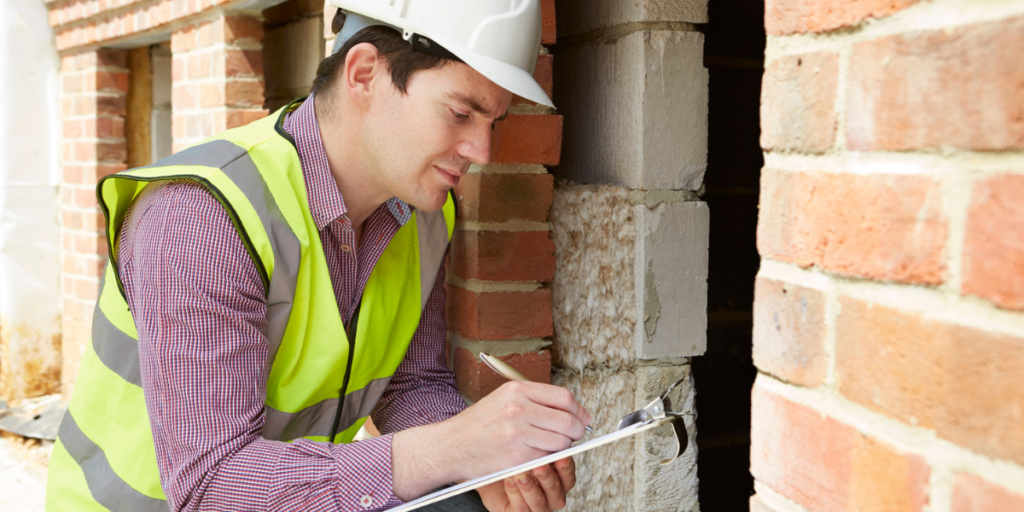
Selling a house with city violations in South Florida can feel stressful, especially when you are dealing with code enforcement notices, open permits, fines, municipal liens, unsafe structure concerns, HOA issues, or repairs you cannot afford.
Many homeowners in Miami-Dade County, Broward County, Palm Beach County, and nearby communities discover these problems when they try to sell, refinance, insure the property, or settle an inherited home. A title company, buyer, city department, or closing professional may find open violations that need to be reviewed before the sale can move forward.
The good news is that a city violation does not always mean you are stuck. You may be able to correct the issue, negotiate with the city, list after repairs, or sell the house as-is to a local buyer who understands distressed South Florida properties.
Quick Answer: Can You Sell a House With City Violations in South Florida?
Yes, you can often sell a house with city violations in South Florida, but open code cases, fines, liens, expired permits, unsafe structure notices, or unpermitted work can affect the buyer, title review, closing timeline, and final sale terms. Some homeowners fix the issue first, while others sell as-is to a cash buyer.
What Are City Violations on a South Florida Property?
City violations are notices or enforcement actions issued when a property does not meet local building, zoning, housing, safety, or maintenance rules. These issues may come from a city, county, building department, code enforcement office, special magistrate, condo association, or HOA.
Common examples include work completed without permits, expired permits, unsafe structure concerns, roof damage, electrical or plumbing problems, overgrown yards, unsecured vacant homes, illegal additions, hurricane damage, mold, water intrusion, condo violations, HOA violations, and fines that became municipal liens.
A violation may be minor, such as lawn maintenance, or serious, such as unsafe electrical work, an illegal addition, or an unsafe structure notice.
Can You Sell a House With City Violations?
Yes, in many cases you can sell a house with city violations. However, the sale may be more complicated than selling a clean, updated property with no open issues.
The better question is not only, “Can I sell?” The better question is: Who will buy the property, under what terms, and who will be responsible for resolving the violations?
A traditional buyer using financing may have trouble moving forward if the property has major safety issues, unresolved permits, municipal liens, or insurance concerns. A cash buyer or real estate investor may be more flexible because they can evaluate the property as-is and account for the violations in the offer.
Homeowners who need a faster sale can also read Property Solution Services’ guide on how to sell your house fast in South Florida, especially when violations are connected to repairs, foreclosure, probate, relocation, or rising ownership costs.
Why City Violations Can Make a Traditional Sale Harder
City violations can affect a home sale because they raise questions about title, safety, repairs, financing, insurance, and closing costs.
A buyer may ask:
- Are fines still adding up?
- Has the city recorded a lien?
- Are there open permits?
- Was work done without permits?
- Will insurance be difficult to obtain?
- Will the title company require a payoff before closing?
- Will the buyer inherit responsibility after closing?
In Miami, Hialeah, Hollywood, Fort Lauderdale, Pompano Beach, West Palm Beach, Boca Raton, Delray Beach, Boynton Beach, and nearby areas, the process can vary by city or county. Properties in unincorporated Miami-Dade, Broward, or Palm Beach County may follow county procedures, while homes inside city limits may involve municipal departments.
Common South Florida Situations That Lead to City Violations
South Florida homeowners often deal with property problems that generic national real estate articles do not explain well.
Older homes may need roof, electrical, plumbing, HVAC, exterior, or impact-window updates. Hurricane-damaged homes may have roof leaks, water intrusion, mold concerns, damaged exterior features, insurance delays, or high deductibles. Open permits can also appear during title review when old work was completed but never received final inspection.
Vacant and inherited homes may attract violations for overgrown grass, debris, broken windows, illegal dumping, or unsafe conditions. These issues can become worse when the owner lives out of state and cannot maintain the property.
A tenant-occupied property can be harder to inspect, repair, or show to buyers. Landlords dealing with tenant problems may want to review this guide on how to sell a house with tenants in Fort Lauderdale. If the property is empty, this guide on selling a vacant inherited house in South Florida may also help.
Condo associations and HOAs are not the same as city code enforcement, but association violations, unpaid assessments, exterior compliance issues, aging condo concerns, or document problems may still affect closing.
Step-by-Step: How to Sell a House With City Violations in South Florida
Step 1: Identify the Exact Violation
Find out what the violation is, which agency issued it, and whether fines are still accruing. Review the notice, citation number, case number, property address, folio number, and hearing information.
Step 2: Check for Open Permits, Fines, and Liens
Before selling, search for open permits, code cases, municipal liens, and unpaid fines. A title company, real estate attorney, or settlement company may also help identify issues that could affect closing.
Miami-Dade, Broward, and Palm Beach County each have different property research or code enforcement search processes. If the home is inside a city, also check that city’s building or code department.
Step 3: Estimate the Cost to Correct the Problem
Some violations are inexpensive. Others require licensed contractors, engineers, architects, permits, inspections, demolition, mold remediation, roof work, or unsafe-structure compliance. Get realistic estimates before deciding whether to repair, list, or sell as-is.
Step 4: Compare Your Selling Options
Once you understand the issue, compare your options: fix the violation before selling, list the home as-is with disclosures, negotiate with the city, request a lien reduction where available, sell directly to a local cash buyer, or keep the property and resolve the issue over time.
If the house needs major repairs and you want to avoid preparing it for a traditional listing, you can review Property Solution Services’ page on how to sell your house for cash.
Step 5: Speak With the Right Professional
City violations can involve legal, title, tax, insurance, and municipal issues. This article is for general homeowner education only and is not legal, tax, financial, or insurance advice. Depending on the situation, speak with a qualified attorney, tax professional, title company, insurance advisor, licensed contractor, housing counselor, or local official.
Step 6: Request a Local As-Is Offer
If repairs, fines, open permits, or time pressure make a traditional sale difficult, you can request a local cash offer. Property Solution Services can review the property condition, known violations, location, title concerns, and your timeline so you can compare an as-is sale with your other options.
What Happens at Closing When a House Has Violations, Liens, or Open Permits?
When a South Florida property has code violations, the closing process may involve more review than a standard sale. The title company, closing agent, attorney, buyer, and seller may need to understand whether the property has recorded liens, unpaid fines, open permits, tax issues, or municipal violations.
In some cases, the issue may be handled before closing. In other cases, the amount owed may be paid from the seller’s proceeds, negotiated with the buyer, resolved with the municipality, or addressed in the purchase agreement.
The exact process can vary by county, city, title company, municipality, attorney, buyer, and property condition. A direct cash sale may reduce some traditional buyer delays, but it does not remove the need for title review.
Options for Selling a House With City Violations
| Option | Best If | Pros | Possible Limitations |
|---|---|---|---|
| Fix violations before selling | The issue is affordable and time is not urgent | May attract more retail buyers | Repairs, permits, inspections, and fines may take time |
| List with an agent as-is | The home is marketable and violations are manageable | Wider buyer exposure | Buyers may renegotiate, cancel, or require repairs |
| Negotiate with the city or county | Fines or liens are high but correctable | May reduce financial pressure | Results vary by jurisdiction and case details |
| Sell to a cash home buyer | Repairs are costly, fines are active, or speed matters | Can avoid repairs, showings, and delays | Offer may be lower than a fully repaired retail sale |
| Keep the property | You have funds and time to resolve issues | Allows you to preserve ownership | Carrying costs, fines, taxes, and insurance may continue |
When Selling As-Is May Make Sense
Selling as-is may make sense when the property has violations you cannot afford to correct, repairs are too extensive, or time pressure makes a traditional listing difficult.
This may apply if the home has liens, open permits, major roof or electrical issues, hurricane damage, water intrusion, tenant problems, probate complications, foreclosure pressure, or an out-of-state owner who cannot manage contractors and inspections.
A cash buyer will usually factor repair costs, violation risk, lien amounts, resale timeline, and closing costs into the offer. The offer may be lower than the price of a fully repaired home, but the net result may still make sense if it helps you avoid repairs, commissions, delays, and uncertainty.
When Listing With an Agent May Be Better
A traditional listing may be better if the violations are minor, the home is in good condition, and you have time to correct the issues before closing.
Listing may be stronger if the violation is simple to fix, there are no major title problems, the property can qualify for buyer financing, and you can afford repairs and carrying costs.
Example: Selling an Inherited Fort Lauderdale Home With Code Violations
Imagine a homeowner in Fort Lauderdale inherited an older property with an expired roof permit, an overgrown yard violation, and a possible lien from unpaid code fines. The owner lives out of state and does not want to manage contractors, city departments, and inspections from far away.
The homeowner could hire a permit specialist, pay or negotiate fines, clean up the property, and list it. However, if they want a simpler option, they could request an as-is cash offer from a local South Florida buyer and compare that offer with the cost and stress of fixing everything before selling.
Helpful South Florida Property Resources for Code Violations, Liens, and Open Permits
These resources can help homeowners research code enforcement issues, open permits, liens, tax concerns, and local government information. They are not a replacement for legal, tax, title, insurance, or municipal advice.
- Miami-Dade County Code Enforcement Online System
- Miami-Dade County Lien Services
- City of Miami Lien or Violation Search
- Broward County Building Code Property Research
- Palm Beach County Fine/Lien, Open Permit, and Code Enforcement Searches
- Florida Statutes Chapter 162: County or Municipal Code Enforcement
Common Mistakes to Avoid
Avoid ignoring the notice, assuming every buyer will accept the problem, forgetting municipal lien searches, starting repairs without understanding permit requirements, or accepting a vague cash offer. A serious buyer should explain how the property is evaluated, what happens with known violations, whether a title company or attorney will handle closing, and what costs may be paid from proceeds.
FAQs About Selling a House With City Violations in South Florida
Q. Can I sell a house with city violations in South Florida?
Yes. You can often sell a house with city violations in South Florida, but open code cases, fines, liens, or permits can affect title review, buyer approval, closing timing, and sale terms.
Q. Do I have to fix code violations before selling my house?
Not always. Some homeowners fix violations before listing, while others sell as-is. The best choice depends on the violation type, repair cost, lien amount, timeline, and buyer requirements.
Q. Can I sell a house with open permits in Miami-Dade, Broward, or Palm Beach County?
Yes, but open permits should be reviewed before closing. A title company, attorney, buyer, or local official may need to confirm how the permit should be handled.
Q. Will a city lien stop me from selling my house?
A city lien can delay or complicate a sale, but it does not always stop the sale. It may be paid, negotiated, resolved before closing, or addressed in the purchase agreement.
Q. Can a cash buyer buy my house with code violations?
Yes. Some cash buyers purchase houses with code violations, open permits, liens, unsafe conditions, or major repairs, but they should explain how those issues affect the offer and closing.
Q. Is it better to repair the violations or sell the house as-is?
Repairing may be better if the issue is minor and affordable. Selling as-is may make more sense if repairs are expensive, fines are growing, or you want to avoid contractors and delays.
Q. Can I sell a hurricane-damaged house with city violations in South Florida?
Yes. A hurricane-damaged house with roof damage, water intrusion, mold concerns, open insurance issues, or code violations may still be sold as-is.
Q. What happens if a violation is found during closing?
The title company, buyer, seller, and closing professional may review the issue. It may need to be paid, corrected, negotiated, disclosed, or addressed in the purchase agreement.
Q. Can I sell an inherited house with code violations in South Florida?
Yes. Inherited homes can often be sold with code violations, but probate, title issues, liens, open permits, unpaid taxes, or municipal fines may need review first.
Q. Who should I contact before selling a house with city violations?
You may need a real estate attorney, title company, code enforcement office, municipal official, contractor, tax professional, insurance advisor, or housing counselor. You can also contact a local cash home buyer for an as-is option.
Need Help Selling a House With Violations in South Florida?
If you are unsure whether your violation, open permit, lien, or repair issue will stop your sale, Property Solution Services can review the situation and explain your as-is selling options clearly.
If selling traditionally feels too expensive, slow, or complicated, Property Solution Services can evaluate your South Florida property and provide a fair local cash offer. You can compare the offer with repairing, listing, or continuing to hold the property, then choose the path that makes the most sense for your situation.
To talk through your options, visit the Contact Us page or learn more about how Property Solution Services helps homeowners sell houses for cash in South Florida.