
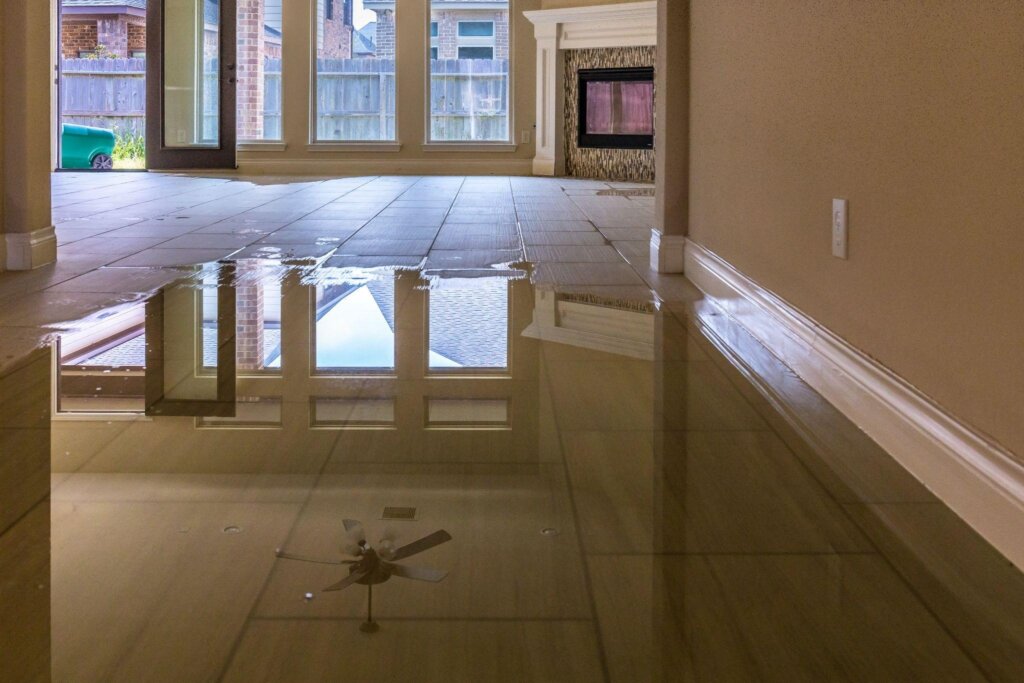
Water damage can make selling a house feel stressful, especially in South Florida. A roof leak, hurricane damage, burst pipe, plumbing backup, condo leak, flood intrusion, or mold concern can affect inspections, insurance, buyer financing, repair costs, and your timeline.
If you need to sell a house with water damage in South Florida, you still have options. You can repair the home before listing, list it as-is, work through insurance, or sell directly to a local cash home buyer. If your main goal is speed and simplicity, you may also want to compare your options with Property Solution Services’ Sell Your House Fast in South Florida page.
This guide explains your choices clearly so you can decide what makes sense for your property in Miami-Dade County, Broward County, Palm Beach County, or nearby South Florida communities.
Quick Answer
Yes, you can sell a house with water damage in South Florida. Your main options are to repair the damage before listing, sell as-is with an agent, negotiate after inspection, or sell directly to a cash buyer. The best choice depends on repair cost, timeline, insurance status, property condition, title issues, and your selling goals.
Can You Sell a Water-Damaged House in South Florida?
Yes. A house does not need to be fully repaired before it can be sold. Many South Florida homeowners sell properties with roof leaks, plumbing damage, flood damage, mold concerns, storm damage, code violations, open permits, or older repair needs.
The real question is not whether you can sell. The real question is which selling path gives you the best balance of price, time, risk, and convenience.
Water damage can affect:
- Buyer confidence
- Home inspection results
- Appraisal value
- Insurance approval
- Mortgage financing
- Repair negotiations
- HOA or condo association requirements
- Code enforcement issues
- Title and closing timelines
If you want to understand the direct sale option, review how Property Solution Services explains its as-is home buying process.
Common Water Damage Problems in South Florida Homes
South Florida homes face unique property challenges because of humidity, storms, flood zones, older roofing systems, aging condos, and high insurance scrutiny.
Common situations include:
- Roof leaks after heavy rain or hurricane season
- Ceiling stains from repeated water intrusion
- Plumbing leaks behind walls
- Flooding from storm surge or poor drainage
- Mold concerns after water sits too long
- Damaged drywall, flooring, cabinets, or baseboards
- Condo leaks from an upstairs unit
- AC drain line leaks
- Sewer or drain backups
- Hurricane-damaged windows, doors, or roofing
- Vacant homes with unnoticed leaks
- Rental properties where tenants delayed reporting damage
If the damage affects several parts of the property, you may also want to review your options for how to sell a damaged house in South Florida without making major repairs first.
For mold-related concerns, the Florida Department of Health mold guidance is a useful homeowner resource. If flood risk is part of the problem, homeowners can also check the FEMA Flood Map Service Center.
Why Water Damage Can Make a Traditional Sale Harder
A traditional sale can still work, but water damage often creates extra friction.
Most retail buyers want a home that feels safe, insurable, and financeable. If the inspection shows active leaks, suspected mold, roof damage, or structural concerns, the buyer may cancel the contract or ask for expensive repairs.
Financing can also become harder. Some lenders and insurers may raise concerns if the home has serious condition issues. Even if the buyer likes the property, the sale can slow down if the appraisal, inspection, or insurance review creates problems.
This is one reason some homeowners choose to sell a house as-is in South Florida instead of spending weeks or months managing repairs.
Your Main Options for Selling a House with Water Damage
Option 1: Repair the Damage Before Listing
Repairing the home may help you attract more buyers and possibly a stronger sale price. This may make sense if the damage is limited, you have the repair budget, insurance may cover part of the work, and you are not in a rush.
The downside is risk. Repairs can uncover hidden damage, permit issues, mold problems, or extra costs.
Option 2: List the House As-Is With an Agent
You can list a water-damaged house as-is on the open market. This may attract investors, renovation buyers, landlords, or buyers willing to handle repairs.
The main risk is buyer fallout. A buyer may make an offer, inspect the property, then request a major credit or cancel.
Option 3: Work Through Insurance First
If the water damage came from a recent covered event, you may want to speak with your insurance company before selling. Coverage depends on the policy, cause of damage, deductible, exclusions, and claim timing.
For insurance questions, speak with a licensed insurance professional.
Option 4: Sell As-Is to a Local Cash Home Buyer
Selling as-is to a local cash home buyer may make sense if you do not want to repair, clean out, list, show the property, or wait for buyer financing.
This option can help homeowners who need to:
- Sell house without repairs
- Sell a hurricane-damaged house
- Sell a vacant house with water damage
- Sell an inherited house in Florida
- Sell a distressed property
- Sell a rental property with tenants
- Sell a house with code violations
- Avoid foreclosure in Florida
- Close on a flexible timeline
Property Solution Services can review your South Florida property and discuss whether an as-is cash offer is a practical option. You can start with the Get a Cash Offer Today page.
Selling Options Comparison
| Selling Option | Best For | Pros | Cons |
|---|---|---|---|
| Repair before listing | Sellers with time and repair funds | May attract more buyers | Repairs can be costly and unpredictable |
| List as-is with agent | Sellers wanting market exposure | Can reach retail buyers and investors | Inspection issues may delay or reduce the sale |
| Insurance claim first | Recent covered damage | May help pay for repairs | Claim timing and coverage can vary |
| Sell to cash buyer | Sellers wanting speed and simplicity | No repairs, no showings, no realtor commissions | Offer may be lower than a repaired retail sale |
Step-by-Step Process to Sell a Water-Damaged House
Step 1: Identify the Source of Damage
Find out whether the water came from a roof leak, plumbing issue, flood event, AC drain line, sewer backup, storm damage, or neighboring condo unit.
Step 2: Document the Condition
Take photos and videos. Save repair estimates, insurance letters, plumber reports, roofer notes, mold assessments, city notices, or HOA letters.
Step 3: Check for Safety Concerns
If there is standing water, electrical risk, sagging ceilings, or major mold concerns, avoid unsafe areas and speak with qualified professionals.
Step 4: Review Title, HOA, Condo, or Municipal Issues
Water damage can connect to open permits, code enforcement issues, liens, condo association rules, HOA violations, or insurance disputes. Miami-Dade homeowners can review county records through the Miami-Dade Clerk Official Records. Broward homeowners can check the Broward County Official Records Search, and Palm Beach County homeowners can review Palm Beach County Official Records.
Step 5: Compare Repair vs. As-Is Numbers
Ask yourself:
- How much will repairs cost?
- How long will repairs take?
- Will the home qualify for buyer financing?
- Will insurance cover anything?
- Do I need to sell fast?
- Do I want to manage contractors?
- Would a lower as-is offer save time and stress?
Step 6: Compare Offers and Terms
Do not only compare price. Compare repairs required, closing costs, commissions, inspection periods, title help, timeline, and certainty.
What to Prepare Before Requesting an As-Is Cash Offer
Before contacting a local cash home buyer, gather what you can:
- Property address
- Photos of the damage
- Known repair estimates
- Insurance claim information, if available
- HOA or condo notices
- Code violation letters
- Mortgage or lien information
- Tenant details, if occupied
- Preferred closing timeline
You do not need everything before requesting an offer, but these details can help the buyer give a clearer answer.
South Florida Water Damage Selling Challenges Homeowners Should Know
Water damage in South Florida is often more than a simple repair issue. It can involve flood zones, roof age, insurance concerns, older homes, aging condos, county records, municipal violations, and HOA or condo association rules.
Homeowners in Miami-Dade County may need to review flood zone details, official records, code enforcement concerns, or open permits. Broward County sellers may face similar issues in Fort Lauderdale, Hollywood, Pompano Beach, Coral Springs, Plantation, Sunrise, Davie, Miramar, and Pembroke Pines. Palm Beach County homeowners may also need to consider older condos, roof condition, HOA issues, and insurance concerns in West Palm Beach, Boca Raton, Delray Beach, and Boynton Beach.
For Florida condo-related education, the Florida DBPR condominium resources can be useful. If foreclosure is also part of the situation, homeowners can review HUD’s Avoiding Foreclosure resource and Property Solution Services’ guide on how to sell your house fast before foreclosure in South Florida.
Example: Selling a Water-Damaged House in Hollywood, FL
A homeowner in Hollywood inherits an older vacant house. After heavy rain, a roof leak causes ceiling stains, damaged drywall, and a musty smell in two rooms.
The homeowner lives out of state and does not want to manage roof repairs, mold inspections, cleanout, contractors, and a traditional listing. The home may also have an old open permit and unpaid utility balance.
In this situation, the seller could repair and list, list as-is with an agent, or request an as-is cash offer. If the home is inherited, Property Solution Services’ page on how to sell an inherited house in South Florida may also help.
When Selling As-Is May Make Sense
Selling as-is may make sense when repair costs are too high, the property is vacant, you live out of state, the house has tenants, probate is involved, foreclosure is a concern, or the home has code violations or open permits.
It is not always the best choice. If the damage is minor, you have time, and the home can sell well after repairs, a traditional listing may produce a stronger final price.
Common Mistakes to Avoid
Avoid these mistakes when selling a water-damaged house:
- Waiting too long while active water intrusion gets worse
- Assuming every buyer can get financing
- Ignoring mold concerns
- Forgetting about open permits or code violations
- Accepting an offer without understanding the terms
- Overlooking HOA or condo association rules
- Choosing only the highest offer without checking certainty
A clean offer with clear terms may be better than a higher offer that depends on financing, inspections, repairs, or long delays.
Important Disclaimer
This article is for general homeowner education only. It is not legal, tax, insurance, financial, or real estate advice. If your property involves foreclosure, probate, divorce, liens, code violations, tenants, bankruptcy, insurance disputes, HOA issues, or title problems, speak with a qualified attorney, tax professional, lender, housing counselor, insurance professional, title company, or local official.
For probate education, The Florida Bar’s Probate in Florida resource may be helpful.
FAQs
Can I sell a house with water damage in South Florida?
Yes. You can repair it before listing, sell it as-is with an agent, or sell directly to a local cash home buyer. The right option depends on the damage, timeline, repair budget, insurance status, and title condition.
Do I have to repair water damage before selling?
No. You do not always need to repair water damage before selling. If repairs are too costly or time-consuming, selling the property as-is may be a practical option.
Can I sell a hurricane-damaged house as-is?
Yes. Many South Florida homeowners sell hurricane-damaged houses as-is to avoid roof repairs, water cleanup, insurance delays, and contractor scheduling.
Will water damage make my house harder to sell?
It can. Buyers may worry about mold, insurance, financing, repairs, and inspection results. Cash buyers and investors are often more open to damaged properties.
Can I sell a water-damaged condo?
Yes, but condo sales may involve the association, shared building repairs, insurance responsibility, assessments, and approval rules. These issues can affect the timeline.
Who buys houses with water damage in South Florida?
Local cash home buyers, real estate investors, renovation buyers, and some landlords may buy water-damaged houses in South Florida. Property Solution Services can review the property and provide an as-is cash offer.
Get a Fair Cash Offer for Your Water-Damaged South Florida House
If you want to sell as-is without repairs, Property Solution Services can review your South Florida property and provide a fair local cash offer. Whether the house has roof leaks, mold concerns, flood damage, storm damage, code violations, tenants, or open permits, you can compare your options and choose the path that feels right for your situation.
To learn more, visit Get a Cash Offer Today or Contact Property Solution Services.