
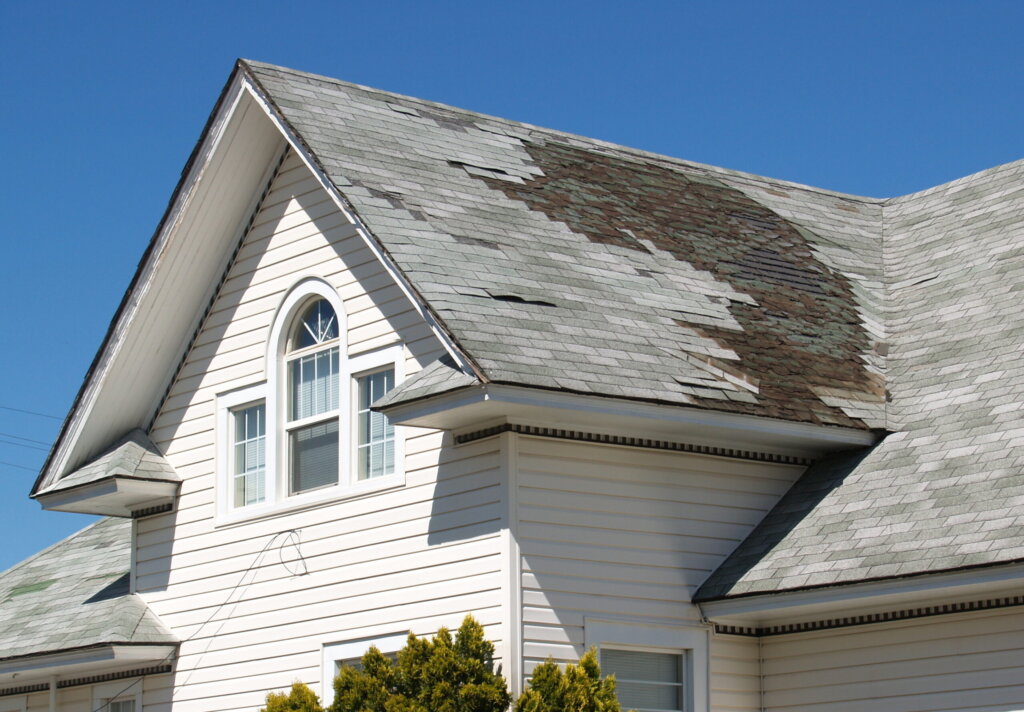
A leaking, storm-damaged, or aging roof can make selling a South Florida home feel difficult. You may be worried about repair costs, insurance, permits, buyer financing, water intrusion, or mold.
You can repair the roof, pursue an insurance claim, list as-is, or sell directly to a local property buyer. Property Solution Services helps homeowners explore the direct-sale option, but the best decision starts with comparing every realistic path.
Quick Answer
You can sell a house with roof damage in South Florida without replacing the roof first. However, roof condition may affect the sale price, insurance eligibility, mortgage approval, inspections, permits, and buyer confidence. Selling as-is may make sense when repairs are unaffordable, uncertain, or unlikely to produce enough additional net proceeds.
Why Roof Damage Can Complicate a Sale
Roof damage can affect more than tiles or shingles. Water may reach decking, framing, insulation, ceilings, drywall, electrical components, and flooring. South Florida’s heat and humidity can make unresolved moisture especially concerning.
Traditional buyers may hesitate because the full repair cost is uncertain. Lenders and insurers may also require documentation, inspections, or repairs before closing.
If the leak has caused interior problems, read how to sell a house with water damage in South Florida.
Can You Sell a House As-Is With a Bad Roof?
Yes. An as-is sale generally means the seller offers the property in its present condition and does not promise to complete major repairs before closing.
“As-is” does not mean “without disclosure.” Florida sellers should not hide known material defects that are not readily observable. The Florida Bar’s home-buying guidance encourages buyers to investigate defects, repairs, and seller disclosures. Speak with a Florida real estate attorney if you are unsure about your obligations.
Known concerns may include active leaks, storm damage, insurance claims, mold, open permits, failed inspections, code cases, or unpermitted work.
Homeowners considering this path can also learn more about how to sell a house as-is in Fort Lauderdale.
Four Ways to Sell a Roof-Damaged House
| Option | Best fit | Main benefit | Main limitation |
|---|---|---|---|
| Repair before listing | Sellers with time and funds | May attract more retail buyers | Requires money, permits, and contractor management |
| Use an insurance claim | Potentially covered sudden damage | Insurance may help with eligible work | Coverage and timing vary |
| List as-is with an agent | Sellers wanting market exposure | Reaches buyers through the MLS | Financing and insurance may reduce demand |
| Sell to a direct buyer | Sellers prioritizing convenience | Avoids major repairs and mortgage contingencies | Offer normally reflects repair costs and risk |
Option 1: Repair the Roof Before Listing
Repairing or replacing the roof may be worthwhile when the rest of the home is market-ready and the work is likely to increase your net proceeds.
Get written estimates from licensed roofers and confirm whether each quote includes permits, disposal, materials, damaged decking, inspections, and warranties.
Use Florida’s DBPR license-verification portal to check a contractor’s status. An unverified contractor can create problems if the work fails, is not permitted, or cannot pass inspection.
Also consider holding costs such as mortgage payments, insurance, utilities, taxes, HOA fees, and maintenance.
Option 2: Review Insurance Before Starting Work
If the damage resulted from a hurricane, windstorm, fallen object, fire, or another sudden event, contact your insurance carrier or agent before completing permanent repairs.
Coverage may depend on:
- Cause and date of damage
- Roof age and material
- Active leaks and remaining useful life
- Maintenance and prior repairs
- Permit history
- Policy exclusions and deductibles
- Four-point inspection findings
- Evidence of wind-mitigation features
The Florida Department of Financial Services explains that insurers commonly use a four-point inspection to evaluate the roof, electrical, plumbing, and HVAC systems. A buyer’s insurer may also review material, age, leaks, permits, prior claims, remaining life, and wind-mitigation features.
Wind-mitigation factors may include:
- Roof-to-wall connections
- Roof-deck attachment
- Roof geometry
- Secondary water resistance
- Impact-rated opening protection
- Approved shutters or other protective systems
These features do not guarantee that a particular insurer will approve coverage. Insurers may apply different underwriting requirements based on the property, roof, policy, and inspection findings.
Do not promise a buyer that the home will qualify for insurance. Keep photographs, estimates, receipts, claim correspondence, inspection reports, and repair records.
Option 3: List the House As-Is
An agent may market the property to owner-occupants, landlords, renovation buyers, or investors. A traditional buyer could still request a roof replacement, credit, price reduction, or additional insurance documents.
Financed buyers may also face appraisal, mortgage-lender, and homeowners-insurance requirements.
Ask the agent how the roof may affect:
- The likely buyer pool
- Pricing strategy
- Marketing time
- Inspection negotiations
- Seller concessions
- Probability of closing
An as-is listing may work well when the damage is manageable and the property is priced realistically. It may be less suitable when active leakage, insurance problems, major structural repairs, or unresolved permits are likely to prevent buyer financing.
Option 4: Sell Directly to a South Florida Cash Buyer
A direct sale may be practical when you cannot afford repairs, do not want to manage contractors, inherited the home, live out of state, or need a simpler transaction.
A local cash home buyer may consider a property with leaks, damaged tiles, mold concerns, permits, violations, liens, tenants, or deferred maintenance.
The offer normally reflects value, repairs, holding costs, resale risk, and buyer margin. It may be lower than a repaired retail price but can reduce upfront spending and financing risk.
Related homeowner resources include:
- Sell an inherited property in South Florida
- Sell a house with code violations
- Sell my house fast in Fort Lauderdale
Compare Net Proceeds, Not Just Sale Prices
The highest sale price does not always produce the best financial result.
Traditional-Sale Net Proceeds
Expected sale price
– roof repairs
– agent compensation
– seller concessions
– closing expenses
– holding costs
= estimated net proceeds
Direct-Sale Net Proceeds
Cash offer
– agreed seller expenses
= estimated net proceeds
A repaired listing may sell for more, but roofing, restoration, insurance, utilities, taxes, and carrying costs reduce the difference. Use written estimates and conservative assumptions because hidden damage can increase costs.
For example, opening the roof may reveal:
- Rotted decking
- Damaged trusses or framing
- Wet insulation
- Electrical damage
- Mold or microbial growth
- Previous unpermitted repairs
- Work that does not meet current requirements
Calculate the likely financial result of each option rather than assuming that the highest proposed sale price will leave you with the most money.
South Florida Permit Records: County or City?
Permit responsibility depends on jurisdiction. Counties often cover unincorporated areas, while cities may maintain separate building departments.
Miami-Dade County
Miami-Dade County provides an official permit and inspection-history search.
However, a property inside Miami or Hialeah may also require checking the appropriate city building department. Do not assume the county database contains every municipal record.
Broward County
Broward County explains that many municipalities issue their own permits. Homes in Hollywood, Fort Lauderdale, Pembroke Pines, or Pompano Beach may therefore have city records.
Start with Broward’s permit search by address, then confirm whether the county or individual city has jurisdiction over the property.
Palm Beach County
Palm Beach County’s Planning, Zoning and Building resources provide access to permits, inspections, liens, and open-permit searches.
Properties in Boca Raton or West Palm Beach may also require city-level searches rather than relying only on the county system.
What Should Homeowners Look For?
Check available property and municipal records for:
- Open permits
- Expired permits
- Failed inspections
- Missing final inspections
- Unpermitted roof work
- Permit holds
- Code-enforcement cases
- Contractor liens
- Municipal lien-search findings
These issues do not automatically make a home impossible to sell. However, they may affect title, financing, insurance, buyer confidence, and the closing timeline.
A title or settlement company may identify recorded liens, but homeowners should not assume that a standard title search will uncover every permit or municipal issue. Ask what type of municipal lien and permit search will be performed.
How the Direct-Sale Process Works
1. Share the Property Details
Explain the roof condition, occupancy, insurance claims, permits, liens, repairs, and preferred timeline.
Providing accurate information early helps the buyer evaluate the property and reduces the chance of unexpected issues later.
2. Arrange a Property Review
Property Solution Services reviews the home and determines whether it fits the company’s buying criteria. Point out known leaks, water damage, previous repairs, open claims, and municipal issues.
3. Review the Written Offer
Confirm the:
- Purchase price
- Proposed closing date
- Inspection rights
- Cancellation terms
- Proof of funds
- Earnest-money terms
- Responsibility for closing expenses
Ask whether the buyer is purchasing the property directly or intends to assign the contract to another investor.
4. Complete Title Work and Closing
A title or settlement company reviews ownership, mortgages, recorded liens, judgments, probate documents, and other transfer issues.
Read more about how our home-buying process works before requesting an offer.
A Realistic Example of Selling a Roof-Damaged House in South Florida
A Hollywood homeowner discovers ceiling stains after heavy rain. A roofer finds cracked tiles and possible decking damage, but the final cost cannot be confirmed until materials are removed.
The owner could repair and list, investigate insurance, market as-is, or request a direct offer. The best choice depends on net proceeds, time, repair risk, insurance uncertainty, and the probability of closing.
If the owner has funds, time, and a strong potential return, completing the roof may make sense. If the owner is relocating, managing an inherited property, or unable to fund uncertain repairs, an as-is sale may be more practical.
Common Mistakes to Avoid
Hiding the roof problem
Selling as-is does not make it acceptable to conceal known leakage or previous damage.
Painting over ceiling stains
Cosmetic work does not stop the leak or correct hidden moisture damage.
Assuming insurance will pay for everything
Coverage depends on the cause, policy, deductible, exclusions, documentation, and insurer’s decision.
Hiring an unverified contractor
Unlicensed or improperly permitted work may create safety, insurance, permit, and resale problems.
Ignoring permit records
Open or failed permits are easier to investigate before the transaction reaches its final closing stage.
Comparing sale prices without calculating expenses
Compare net proceeds after repairs, commissions, concessions, holding costs, and closing expenses.
Frequently Asked Questions
Can I sell a house with roof damage in South Florida?
Yes. You can repair the roof, list the property as-is, offer a buyer credit, or sell directly to a cash buyer. The best option depends on the damage, budget, insurance, and timeline.
Do I have to replace the roof before selling my Florida home?
No. Roof replacement is not always required before selling. However, the roof’s condition may affect inspections, insurance, buyer financing, negotiations, and the final sale price.
Can I sell a house with an active roof leak?
Yes. A house with an active leak can be sold as-is, but known damage should be disclosed. Buyers may request repairs, a credit, a lower price, or additional inspections.
Can I sell a house with an open roof permit in South Florida?
Possibly. Open, expired, or failed permits may delay closing or require additional records, inspections, or corrective work. Requirements can vary across Miami-Dade, Broward, Palm Beach County, and individual cities.
Is it better to repair the roof or sell the house as-is?
Repairing may be better when the work is affordable and likely to increase your net proceeds. Selling as-is may be more practical when repairs are expensive, uncertain, or likely to delay the sale.
Does Property Solution Services buy roof-damaged homes in South Florida?
Property Solution Services may review homes with leaks, missing tiles, storm damage, water intrusion, old roofs, or open permits. Each property is evaluated based on condition, location, title status, and transaction details.
Sell Your Roof-Damaged House As-Is
Begin by documenting the damage, reviewing insurance and permit records, obtaining repair estimates, and comparing realistic net proceeds.
If you want to sell without repairing the roof, Property Solution Services can review your South Florida property and explain the as-is direct-sale option. You can compare the offer with repairing or listing and decide without pressure.
This article provides general educational information and is not legal, insurance, construction, tax, or financial advice. Consult qualified professionals about your property and circumstances.