
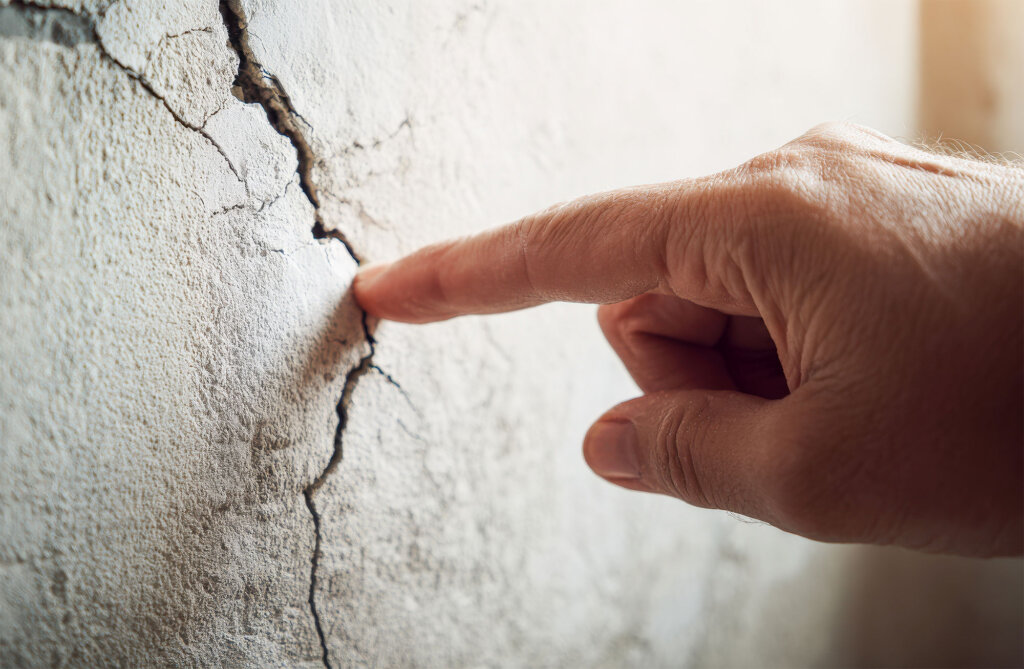
Selling a house with structural damage in South Florida can feel overwhelming. Cracked walls, foundation movement, roof framing problems, water intrusion, concrete deterioration, storm damage, or an unsafe addition may affect inspections, financing, insurance, and buyer confidence.
Structural damage does not automatically make a property impossible to sell. Homeowners generally have three main options: repair the damage before listing, list the home as-is, or sell directly to a buyer willing to handle major repairs.
Quick Answer
You can sell a house with structural damage in South Florida without repairing it first. Before choosing a selling path, identify the problem, review permits and liens, gather repair estimates, and compare the likely net proceeds from repairing, listing as-is, and accepting a direct cash offer.
Structural Damage Is Not the Same as Foundation Damage
Foundation damage is one type of structural damage. Structural problems can also affect roof framing, load-bearing walls, beams, columns, floor systems, balconies, reinforced concrete, exterior walls, additions, and connections damaged by wind or water.
Homeowners with foundation-specific concerns can review the guides to selling a house with foundation issues in Davie and selling a Miramar house with foundation problems.
Those pages target city-specific foundation searches, while this article covers broader structural damage home-selling options across South Florida.
Common Signs of Structural Damage
Possible warning signs include:
- Wide, diagonal, or expanding cracks
- Uneven or sloping floors
- Bowing walls or sagging roof sections
- Doors and windows that no longer close properly
- Gaps between walls, floors, or ceilings
- Cracked concrete block or exposed reinforcing steel
- Damaged beams, posts, or trusses
- Significant termite damage or wood rot
- Separation around an addition
- Repeated leaks near structural components
A licensed structural engineer can help determine whether an issue is cosmetic, localized, or more serious.
South Florida Construction and Property Concerns
Concrete-Block and Slab Homes
Concrete-block and slab-on-grade homes are common across Miami-Dade, Broward, and Palm Beach counties. Concerns may include cracking around openings, concrete deterioration, damaged reinforcing steel, slab movement, drainage problems, or movement near additions.
Wood-Frame Homes
Wood-frame properties may be vulnerable to termites, rot, roof leaks, and hidden moisture damage. Problems can remain concealed inside walls, beneath floors, or around roof connections.
Additions, Townhomes, and Condos
Converted garages, enclosed patios, and Florida rooms may create complications when permits or final inspections are missing.
In townhomes and condominiums, damage may involve shared roofs, balconies, walls, parking structures, or other common elements. Association notices, repair plans, insurance records, and special assessments can affect the sale.
Long-term roof or window leaks may damage framing, concrete, electrical systems, and finishes. Homeowners facing these concerns can also read about selling a house with water damage in South Florida.
Can You Sell a Structurally Damaged House As-Is?
Yes. Selling as-is generally means the seller is not agreeing to complete repairs before closing.
However, it does not mean:
- The buyer cannot inspect the property
- The buyer cannot cancel under the contract
- Financing will automatically be approved
- Known defects may be concealed
- Open permits, liens, or title problems disappear
Florida sellers may have a duty to disclose known facts that materially affect residential property value when those facts are not readily observable. The Florida Realtors disclosure guidance provides a useful overview.
Speak with a Florida real estate attorney when you are uncertain about disclosures, unsafe structures, liens, association disputes, or unpermitted work.
This article provides general education and is not legal, engineering, insurance, tax, or financial advice.
How Structural Damage Affects Financing and Insurance
Structural damage may reduce the number of buyers who can complete the purchase.
An appraiser may identify conditions affecting safety, marketability, or value. The lender may then require further inspections or repairs before approving the loan.
Some mortgage programs also have property-condition standards. HUD publishes minimum property standards for properties connected with certain housing programs, although requirements vary by lender and loan type.
Insurance can also become a barrier. A buyer may struggle to obtain acceptable coverage when a home has:
- An active roof leak
- Unrepaired storm damage
- Unsafe electrical conditions
- Open insurance claims
- Known structural problems
- Ongoing water intrusion
Without suitable insurance, a financed buyer may be unable to close.
When buyers cannot determine whether repairs will be limited or extensive, they may also reduce their offer to account for uncertainty.
What Buyers May Ask You to Provide
Potential buyers, agents, appraisers, insurers, and title professionals may request:
- Structural engineer or foundation reports
- Contractor estimates and invoices
- Building permits and inspection records
- Roof permits and warranties
- Insurance claim records
- Termite, mold, or moisture reports
- Information about additions or conversions
- Code enforcement notices
- Evidence that permits were closed
- HOA or condo notices
- Special-assessment information
South Florida Permit and Record Checks
Permit and code records may be handled by a city, a county, or both.
The Miami-Dade permit-record portal can help owners research permits and inspections. Properties inside cities such as Miami or Hialeah may also require municipal research.
The Broward County Building Code Division handles unincorporated areas and certain contracted jurisdictions. Properties in Fort Lauderdale, Hollywood, Miramar, Pembroke Pines, and other cities may have separate records.
The Palm Beach County Permit Center primarily serves unincorporated areas. West Palm Beach, Boca Raton, Delray Beach, and other municipalities may maintain their own systems.
Check for:
- Open or expired permits
- Missing final inspections
- Code enforcement cases
- Unsafe-structure notices
- Recorded liens
- Unpermitted additions
- HOA or condo violations
- Special assessments
Your Main Selling Options
1. Repair the Damage Before Listing
Repairing may make sense when you have enough time and money, the scope is clear, permits can be obtained, and the expected increase in value justifies the expense.
Structural work may uncover additional problems. Verify contractors through the official Florida DBPR license search and obtain detailed written estimates before beginning work.
2. List the House As-Is
An experienced local agent may market the property to investors, builders, or renovation buyers.
This provides open-market exposure, but the sale may still involve:
- Inspections
- Financing delays
- Price reductions
- Agent commissions
- Seller concessions
- Buyer cancellations
- A longer marketing period
Ask the agent for an as-is analysis based on damaged or distressed comparable properties—not only renovated homes.
Homeowners considering this option may also review selling a house as-is in Fort Lauderdale.
3. Sell Directly to a Cash Buyer
A local buyer may purchase the property without requiring the seller to complete structural repairs.
The offer will usually reflect:
- The home’s current condition
- Expected repair expenses
- Permit or code issues
- Holding costs
- Resale risk
- The buyer’s required return
A direct offer may be lower than the possible price of a fully repaired home. However, the seller may avoid repairs, commissions, repeated showings, financing delays, and some carrying costs.
For a broader time-sensitive sale, see how to sell a house fast in South Florida.
4. Sell for Land or Redevelopment Value
When repairs are economically impractical, the lot may appeal to a builder or redevelopment buyer. The outcome depends on zoning, demolition costs, liens, flood considerations, and nearby property values.
Selling Options Compared
| Option | Main Benefit | Main Limitation |
|---|---|---|
| Repair and list | May support a higher retail price | Requires money, permits, contractors, and time |
| List as-is | Provides open-market exposure | Financing, inspections, commissions, and renegotiation may remain |
| Direct cash sale | Avoids seller-managed structural repairs | Offer reflects repair costs and risk |
| Land or redevelopment sale | May suit severely damaged properties | Value depends on zoning and demolition costs |
Step-by-Step Selling Process
Step 1: Address Safety Concerns
Do not enter or allow others into an area that appears unstable. Contact an engineer, building official, emergency professional, or qualified contractor when necessary.
Step 2: Gather Documents and Assess the Damage
Collect permits, inspections, surveys, engineer reports, repair invoices, roof records, insurance correspondence, code notices, and association documents.
An engineer can help clarify the cause and likely repair scope.
Step 3: Check Permits, Liens, and Code Cases
Search the correct city and county records. Municipal jurisdiction matters in South Florida, so county records alone may not provide the full history.
Step 4: Obtain Repair and Value Estimates
Consider obtaining:
- Written contractor estimates
- An agent’s as-is value analysis
- An estimated repaired value
- One or more written cash offers
Step 5: Compare Net Proceeds
Subtract the following expenses from each projected sale price:
- Repairs
- Permits
- Engineering fees
- Agent commissions
- Seller concessions
- Mortgage payoff
- Liens and taxes
- Carrying costs
- Closing expenses
The highest advertised sale price may not produce the highest net proceeds.
Step 6: Review the Contract
Check contingencies, deposit terms, closing costs, assignment language, inspection periods, title provisions, and cancellation rights before signing.
A Realistic Structural Damage Example in Hollywood, FL
Consider a homeowner with an older concrete-block house in Hollywood. The property has diagonal cracks, uneven flooring, a recurring roof leak, and an enclosed patio with unclear permit history.
Instead of making cosmetic repairs immediately, the owner:
- Gets a structural engineer’s assessment.
- Requests a written contractor estimate.
- Searches municipal permit records.
- Asks an agent for as-is and repaired-value estimates.
- Obtains a written offer from a direct buyer.
- Compares net proceeds after repairs, commissions, carrying costs, and closing expenses.
This approach helps the homeowner make a decision based on realistic costs and risks rather than choosing the highest advertised sale price.
Common Mistakes to Avoid
- Covering cracks or stains without addressing the cause
- Assuming every crack means foundation failure
- Starting repairs without a defined scope
- Ignoring permits and code records
- Comparing only headline sale prices
- Hiring an unverified contractor
- Accepting a cash offer without reviewing the terms
Frequently Asked Questions
Can I sell a house with structural damage in South Florida?
Yes. You can repair the property, list it as-is, or sell directly to a buyer willing to handle major repairs. The best option depends on the damage, permit status, costs, and your preferred timeline.
Do I have to repair structural damage before selling in South Florida?
No. You can sell the property without completing repairs first. However, the damage may affect the selling price, financing, insurance, inspections, and disclosure requirements.
Is foundation damage the same as structural damage?
No. Foundation damage is one type of structural damage. Structural problems may also affect roof framing, beams, load-bearing walls, floors, balconies, columns, or exterior walls.
Can a buyer get a mortgage on a house with structural problems?
Possibly. A lender may require repairs, an engineering report, additional inspections, or acceptable insurance before approving the loan. Cash buyers may have more flexibility.
How much does structural damage reduce a home’s value?
There is no standard percentage. The impact depends on the severity of the damage, estimated repair costs, permit history, insurance concerns, location, and buyer demand.
What documents should I prepare before selling a structurally damaged house?
Gather engineer reports, contractor estimates, permits, inspection records, insurance documents, repair invoices, and HOA or condo notices. These records can help buyers understand the property’s condition.
Can I sell an inherited property with structural damage?
Yes, once the seller has legal authority and title issues can be resolved. Learn more about selling an inherited house in South Florida.
Compare Your Options Before Deciding
Repairing and listing may make sense when the damage is manageable and you have enough time and money to complete the work. An as-is listing may be better when you want market exposure without handling every repair. A direct sale may be more practical when the damage is extensive, permits are complicated, or you want a simpler selling process.
Property Solution Services can review the property’s current condition, discuss your preferred timeline, and provide a local cash offer for you to compare with repairing or listing the home.
Start by sharing the property address and what you currently know about the damage. You can then review the offer, compare your expected net proceeds, and choose the option that makes the most sense for your situation—without pressure to accept.